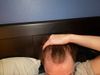
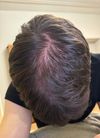
The conversation is about finding an effective and gentle shampoo for hair thinning and shedding. The user has tried Alpecin, Revita, and Head & Shoulders but is seeking better alternatives.
Finasteride is effective in promoting hair growth and reversing hair miniaturization in men with androgenetic alopecia, with improvements seen in various studies over different durations. Some users report initial side effects like ball ache, which often resolve as the body adjusts.
A 15-year-old is experiencing hair loss and is considering treatment options. They are aware they cannot use DHT blockers like finasteride due to their age and are exploring other causes like Telogen Effluvium.
The conversation discusses converting liquid minoxidil into a foam version to save money. The user is exploring if a foam sprayer can achieve this or if additional ingredients are needed.
Managing blood pressure can help with hair loss, as seen with the use of medications like Cialis and oral minoxidil, which improved hairline and blood pressure. Lifestyle changes, such as reducing stimulant use and adjusting testosterone replacement therapy (TRT) doses, also play a role in addressing hair loss and overall health.
Pyrilutamide is being discussed as an alternative for those who can't use finasteride, but users report it may be ineffective at low concentrations. Some users are combining it with minoxidil, microneedling, and other treatments, but results vary.
The user is using a regimen of topical finasteride (.025% concentration), minoxidil, Nutrafol, and vitamin D to address hair loss. They experienced initial side effects but reported improvement over 11 weeks and are considering increasing the dosage.
The user has been using oral minoxidil, finasteride, and ketoconazole for hair loss but feels their condition has worsened over six months. They are considering whether to continue with the current treatment or try additional methods.
The user experienced significant hair regrowth by using a combination of finasteride, oral minoxidil, and later switching to dutasteride. They initially started with finasteride and topical minoxidil, then moved to oral minoxidil and eventually transitioned from finasteride to dutasteride, which they found more effective.
A 28-year-old is assessing their hair loss on the Norwood scale, considering adding topical minoxidil and dermastamping to their current regimen of oral finasteride and minoxidil. They feel their hair loss is worsening and seek opinions on their condition.
A 36-year-old male has been using 1 mg finasteride for 2 years and recently switched to dutasteride for 3.5 months, noticing stable hair with slight thickening and no significant side effects. Other users discuss their experiences with finasteride, minoxidil, and dutasteride, with some reporting no results or side effects.
A 28-year-old male has been using oral finasteride and minoxidil for over a year without seeing significant results in hair thickness, particularly in the front. He is considering adding dermastamping to his routine and is exploring whether topical treatments might be more effective.
The user has been using topical minoxidil and finasteride for four months without noticeable regrowth and plans to try tretinoin. Other users suggest patience or switching to oral minoxidil if no results are seen after several months.
A person is considering starting hair loss treatments before their wedding in a year, with options including laser treatment with Saw Palmetto shampoo and conditioner, or Minoxidil and Finasteride. They are concerned about potential shedding from Minoxidil and Finasteride and seek advice on when to start treatment to avoid shedding on their wedding day.
A 27-year-old male has been using finasteride for six years and recently started oral minoxidil to address hair loss, experiencing some side effects like lightheadedness. He is considering shaving his head or a hair transplant while continuing his current treatments.
Reducing the dose of Pyrilutamide from 5mg to 2.5mg may still maintain hair loss results, but effectiveness can vary. Users discuss the cost and dosage implications, with some cautioning against reducing the dose due to its dose-dependent nature.
A user successfully reversed hair loss over 17 months using 0.5mg dutasteride and 5mg oral minoxidil daily, noting significant improvement without a transplant. Minor side effects like headaches and testicular discomfort were reported but resolved quickly.
A 22-year-old is experiencing increased hair shedding and a greasy scalp after two months on 1mg finasteride. They are documenting their progress and seeking advice, with feedback suggesting that shedding is normal and results may take 6-12 months.
The user is using 2.5mg oral finasteride, 2.5mg oral minoxidil, 5% topical minoxidil, multivitamins, calcium, vitamin K2 D3, iron, theanine, and a derma stamp every 4 days for hair regrowth. They note improvements after almost 3 months, but others suggest results take longer.
The user has been taking 2.5 mg of dutasteride for 6 months and using minoxidil topically for 3 years but hasn't seen significant hair regrowth, only a slight decrease in hair loss. Suggestions include switching to oral minoxidil, adding microneedling, or using growth agonists like bimatoprost to improve results.
An 18-year-old male is considering stopping minoxidil on the crown while continuing finasteride due to increased shedding and concerns about thinning. He seeks advice on safely switching to using minoxidil only on the hairline without risking permanent crown thinning.
Cyclosporine A is discussed as a powerful hair growth stimulant, potentially more effective than minoxidil, but concerns about safety and side effects, including cancer risk, limit its use. The conversation highlights the need for further research and experimentation with topical application, despite its risks.
Minoxidil bottle developed crystals, possibly due to air exposure, but the trichologist advised not to worry. The user questions the advice, noting the lack of recommendations for finasteride or derma rolling.
A user is considering a hair transplant combined with dutasteride and oral minoxidil to improve results despite having a large bald area. They seek advice on whether this combination is worth trying.
The user is using finasteride, minoxidil, and microneedling for hair regrowth and has noticed some improvement after nine weeks. They report no significant side effects and plan to continue the treatment to see further results.
The user's hairline is receding despite using finasteride for 7-8 years and minoxidil for 1 year, with inconsistent usage. They are considering other treatments like microneedling.
An 18-year-old experiencing aggressive hair loss is considering whether to obtain a finasteride prescription through an online consult to save money instead of visiting a dermatologist. The user is seeking advice on the cost-effectiveness of these options.
A 34-year-old male is experiencing hair loss on the sides of his head, with inflammation and itchiness, while the top remains thick. He is using topical dutasteride and keto shampoo to address the issue.
The user is experiencing chest sensitivity and muscle ache after using topical finasteride for a month and is concerned about potential gynecomastia. They are considering asking their doctor for blood work to check estrogen levels and are questioning whether to stop using finasteride.
The user is deciding between a hair transplant and using minoxidil for hair loss. Another user suggests using minoxidil, finasteride, and engaging in physical activity.