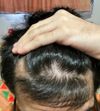
An 18-year-old is frustrated with a dermatologist who prescribed shampoos and Betnovate instead of Minoxidil and Finasteride for hair loss and seborrheic dermatitis. The user feels misled and is considering giving up on dermatologists.
The user switched from a Hims Fin/Minoxidil spray to oral finasteride 1mg and over-the-counter Minoxidil 5% foam in July 2025 but feels the treatment isn't effective as hair loss continues. They seek advice on whether to continue the current regimen or try a different approach.
A 20-year-old has been using finasteride and minoxidil for 4.5 months, noticing reduced hair shedding and seeking advice on potential for increased hair density and hairline regrowth. They also use a dermaroller weekly but inconsistently.
A user is seeking hair loss treatments without using systemic DHT blockers like finasteride due to side effects. Suggestions include clascoterone (not FDA approved), pyrilutamide, RU58841, and low-dose topical finasteride, with a recommendation to consult a doctor.
A 68-year-old is experiencing increased hair loss despite using Minoxidil and is seeking alternative treatments. Suggestions include considering finasteride or RU58841 as potential options.
A 39-year-old is starting a hair loss treatment with 1.25mg finasteride and 2.5mg oral minoxidil twice daily, sharing baseline pictures and hoping for significant results. Progress updates will follow.
The user is using a solution of 5% minoxidil and 0.1% finasteride with micro-needling and is considering adding 1mg oral finasteride. They notice small hairs on their forehead and are questioning if these indicate potential regrowth.
A 20-year-old has been using minoxidil for 6 months and is starting finasteride to address hair loss. They express concern about whether their hair can regrow.
The conversation is about using topical minoxidil and Nizoral shampoo for hair loss. It discusses whether to use conditioner with Nizoral and how to apply minoxidil without causing scalp irritation.
A 20-year-old male experiencing hair loss is considering switching from topical finasteride to oral finasteride after using minoxidil and topical finasteride. He is unsure whether to switch now or wait until his hair recovers, as he is experiencing significant shedding.
Switching from finasteride to dutasteride is discussed, with some users suggesting gradual replacement to potentially improve hair regrowth. OP plans to try replacing one daily use of finasteride with dutasteride to see if it leads to better results.
A user started taking 1mg of finasteride daily but experienced anxiety and brain fog, considering reducing the dose to 0.5mg to adjust. They seek advice on whether this change could help manage side effects and hair shedding.
Biotin can cause cystic acne for some users, and it's advised to stop using it if this occurs. For hair loss, finasteride and dutasteride are recommended, but a dermatologist should be consulted.
A 44-year-old experienced hair regrowth after a snowboarding injury using detox, diet changes, vitamins, collagen, krill oil, and scalp massages, without Minoxidil or finasteride. Another person was skeptical, suggesting these methods may not work for everyone.
A 30-year-old is using rosemary oil and starting microneedling to address weakening hair, seeking advice on frequency and combination. Another user suggests using finasteride and minoxidil for better results, criticizing the effectiveness of rosemary oil and emphasizing the importance of understanding hair loss causes.
The user is experiencing hair shedding despite starting finasteride 4 months ago, with no signs of miniaturization. They are seeking advice after normal blood tests and similar family experiences.
The user has been using finasteride and topical minoxidil since 2020 with good initial results, but progress has stalled since 2024. They are considering switching to dutasteride and oral minoxidil for better results.
The user noticed increased hair loss over the past three years and is seeking advice. A suggestion was made to consult a dermatologist or trichologist and consider blood tests, particularly for vitamin D levels, to address potential androgenetic alopecia (AGA).
The user has been experiencing severe scalp itching and red spots after using finasteride for two years, suspecting possible allergies or a fungal infection. Despite trying ketoconazole shampoo and stopping saw palmetto supplements, the symptoms persist, leading to increased hair loss.
A 30-year-old is seeking advice on hair loss treatment, currently using oral minoxidil, finasteride, mesotherapy, and a supplement. They are experiencing shedding and are anxious about the effectiveness of the treatment, asking if they should continue or consider other options like topicals or microneedling.
The user has been using finasteride for 6 months without hair regrowth and is considering adding minoxidil. They previously had success with dutasteride but stopped due to side effects.
Stopping finasteride may reduce water retention or alter fat distribution, leading to a leaner face. Hormonal changes, like reduced DHT or increased estrogen, could cause these effects.
The user is taking dutasteride 0.5mg daily and seeks a topical androgen inhibitor for the scalp. They are looking for recommendations to enhance their hair loss treatment.
A dermatologist advised stopping oral Minoxidil for a 19-year-old and suggested a topical mix with Minoxidil, Finasteride, Tretinoin, and Melatonin, while continuing oral Finasteride. The user is curious about the effectiveness and side effects of switching to Dutasteride compared to the topical mix.
The conversation is about whether to split 1mg finasteride pills to take 0.5mg daily or take 1mg every other day to save money and reduce side effects. There are concerns about the effectiveness of splitting due to the pill's coating and alternating due to its half-life.