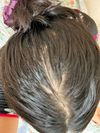
A 41-year-old man shared his 3-month hair regrowth progress using 5% minoxidil and weekly microneedling. He applies minoxidil nightly and uses a topical mix of coffee, olive oil, rosemary oil, and vitamin oil after morning microneedling.
People are using lower doses of finasteride than the recommended 1mg daily due to concerns about side effects, cost, and new data suggesting lower doses can be nearly as effective. Some users report stability or slight improvements with lower doses, but the effectiveness compared to 1mg daily is debated.
The user has experienced solid regrowth after 8 months on finasteride and is considering adding minoxidil to the regimen. They are contemplating whether to continue this treatment for a year or opt for a hair transplant.
The user has been experiencing worsening hair loss despite using finasteride, minoxidil, and later switching to dutasteride. Despite normal bloodwork and consulting dermatologists, the hair loss continues without improvement.
Finasteride is used for hair loss, with mixed reports of no side effects and claims of long-term negative effects known as Post Finasteride Syndrome (PFS). The conversation debates the existence and causes of PFS, with differing opinions on whether it is psychological or real.
The user experienced noticeable hair regrowth after one year using finasteride and minoxidil, with improvements seen around 5-6 months. They report no side effects and use liquid minoxidil twice daily.
The conversation discusses hair regrowth treatments, specifically using oral minoxidil, finasteride, and dutasteride. The user experienced hair growth after switching to oral medications and adjusting dosages, with no significant side effects reported.
The user shared 11 months of progress using oral finasteride and minoxidil for hair regrowth, reporting no side effects. Feedback from others noted improved hair thickness and health.
A 25-year-old male with androgenetic alopecia experienced improved hair condition after using finasteride, oral minoxidil, and dutasteride, but later faced diffuse thinning and texture deterioration after a shedding phase. Others suggest patience, continued treatment, and using ketoconazole shampoo, with some sharing similar experiences of post-shed thinning.
The user has been using finasteride (1.25mg) for 21 months and oral minoxidil (2.5mg) for 7 months with no noticeable improvement, seeking others' experiences on timelines for results. Suggestions include microneedling and vitamin D supplements, with the expectation that modest results or maintenance are common.
Many users have maintained their hair using finasteride, with some also using minoxidil or dutasteride, reporting minimal side effects. Opinions vary on the necessity of DHT, with some users arguing its importance beyond puberty, while others believe it is unnecessary and that finasteride and dutasteride are safe and effective for hair maintenance.
The user switched from 5% to 2% minoxidil due to a purchasing mistake and is concerned about potential hair loss or shedding. Suggestions include using 2% minoxidil more frequently or in larger amounts to compensate.
The user is experiencing dry, frizzy hair despite using dutasteride and finasteride for hair loss, which may be due to reduced sebum production. Suggestions include using nourishing conditioners, hair oils, and styling products to manage frizz, especially for curly hair.
A 26-year-old male shared progress pictures showing significant hair improvement after using finasteride (1mg daily) since November 2024 and minoxidil foam since October 2025. The user noted thicker hair and a less noticeable bald spot, attributing the changes to these treatments.
The user switched from prescribed topical minoxidil and finasteride to stronger grey market alternatives, hoping for better hair growth but experiencing shedding. Concerns were raised about the legitimacy and safety of grey market products, with suggestions to use prescribed medications instead.
A 40-year-old male experienced significant hair regrowth and no hair fall after 5 months using topical minoxidil, dermarolling with a 1.0mm roller, Nizoral shampoo, and biotin gummies. He previously stopped oral finasteride due to daily pill concerns but now uses topical treatments without noticeable side effects.
Some users believe creatine may accelerate hair loss, while others see no effect. Opinions are mixed, with some suggesting using treatments like finasteride to counter potential effects.
The user shared a 5-month update on hair regrowth using Minoxidil twice daily and Finasteride every other day, noting significant progress and initial shedding. The user started treatment at age 33 after experiencing hair loss since their early 20s.
A user shared their experience using Minoxidil 5% once daily for 77 days without any other treatments, reporting no side effects. Another user mentioned stopping finasteride due to side effects and now only uses Minoxidil.
A user reported that after experiencing hair thinning, they started using finasteride in 2024 and later began GHK-Cu peptide injections in March 2026, which they believe stopped their hair loss and made their hair feel thicker. The user shared their experience despite receiving criticism for not solely endorsing finasteride.
Using dutasteride 0.5mg three times a week may be more effective than daily finasteride for hair regrowth, but experiences vary, with some users reporting side effects like anxiety and mood swings. Others suggest combining finasteride with dutasteride initially, while some find topical minoxidil more tolerable.
The conversation discusses using both oral and topical minoxidil for hair loss treatment. The user is seeking experiences from others who have tried adding oral minoxidil to their routine.
A user plans to stop finasteride to improve sperm quality for conception and seeks advice on minimizing hair loss during the break, considering using topical minoxidil and medicated shampoo. Responses suggest continuing finasteride with precautions or highlight the lack of strong alternatives to finasteride and dutasteride for hair loss prevention.
Microneedling can still be beneficial when using oral finasteride and minoxidil, with a recommended needle length of 0.5mm to 1.0mm. A stamp or pen is preferred over a roller for microneedling.
The conversation discusses the use of autologous exosomes for hair loss, questioning their effectiveness and seeking real user experiences. The user is skeptical about the treatment's legitimacy and is looking for honest feedback on its results.
People discuss hair loss treatments like minoxidil, finasteride, and dutasteride, sharing experiences and side effects. Opinions vary on combining treatments, with some skeptical and others reporting success.
The user experienced hair recovery using oral dutasteride 0.5 mg and oral minoxidil 5 mg daily, considering increasing dutasteride dosage but concerned about cost and effectiveness. They noted progress and discussed alternatives like hair transplants and other medications.
The user has been using oral minoxidil for 4 years and durum wheat 3 days a week for 7 months, but is experiencing increased hair loss when washing hair. They suspect it might be due to decreased DHT levels and are seeking similar experiences from others.