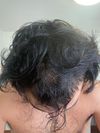
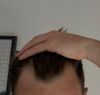
Using finasteride and peptides, including GHK-Cu, improved hair thickness and regrowth. The user also used a KLOW blend and CJC/IPA for better sleep and recovery.
The user has been taking finasteride, minoxidil, and biotin daily for 7 months and is pleased with the results, avoiding a hair transplant. Another user encourages consistency to maintain progress.
The conversation discusses using microneedling with growth factor serum, PRF injections, dutasteride, oral and topical minoxidil, and topical exosomes to treat hair loss, particularly on the crown. OP plans to microneedle twice a month and seeks feedback on Korean growth factor serums.
A 17-year-old is concerned about potential hair loss due to maternal genetics and wonders if treatments like Minoxidil, Finasteride, or RU58841 will be effective. They hope their paternal genetics will help prevent hair loss or make treatments more effective.
Young men experiencing hair loss should consult a dermatologist and consider treatments like finasteride and minoxidil. Shaving is an option, but medications can help maintain and regrow hair, though results vary.
The conversation is about a user seeking feedback on hair regrowth progress after two months of using finasteride, minoxidil, ketoconazole shampoo, dermastamping, and iron supplements. Most responses suggest that two months is too early to see significant results and recommend patience, with noticeable changes typically occurring around 4-6 months.
A user shares their experience with hair loss treatments, including oral Dutasteride, topical Minoxidil, and Tretinoin, despite seeing no results after six months. They encourage others to continue treatments and consider options like oral Minoxidil, Nizoral shampoo, and possibly hair transplants.
The user experienced hair improvement over a year using finasteride, topical minoxidil, tretinoin, ketoconazole, and microneedling. The hair density and hairline have strengthened with this routine.
A 30-year-old shared their one-year hair regrowth progress using 5% topical minoxidil, 5 mg oral minoxidil, 1 mg finasteride, Nizoral shampoo, and bi-weekly microneedling. Users discussed the effectiveness of these treatments, with some noting shedding as a temporary phase before stronger regrowth.
The user experienced significant hair shedding after long-term use of finasteride and dutasteride and is now considering trying RU58841 as a last resort. They have checked health factors and suspect stress and poor sleep may contribute to the shedding, but they are determined to try RU58841 to see if it helps with androgenetic alopecia.
The user experienced significant hair regrowth using 0.5mg dutasteride and 5mg oral minoxidil, with fewer side effects compared to finasteride. They noticed improvements in hair thickness and hairline, despite intermittent use of performance-enhancing substances.
The conversation is about someone who shaved their head after using Minoxidil and finasteride for a long time and feels confident with the new look. Many users compliment the person's appearance, noting that they have a good head shape for being bald, while others discuss the pros and cons of hair loss treatments and embracing baldness.
The conversation is about sourcing RU58841 for hair loss treatment in Australia and discusses the lack of effective alternatives. Alternatives mentioned include Kx826, fluridil, cb, alfatradiol, and topical spiro, but they are considered weak compared to RU58841.
New hair loss treatments like GT20029 and PP405 could potentially replace minoxidil and finasteride, offering better results with fewer side effects. However, current treatments like finasteride and minoxidil are still effective for many, despite concerns about side effects.
A user in Poland created a homemade "oral topical minoxidil" using 2% topical minoxidil, propylene glycol, and vodka due to difficulty obtaining oral minoxidil. They shared a recipe and sought feedback, emphasizing caution and safety in dosing.
The user experienced significant hair regrowth after 7 months using 1mg finasteride and 2.5mg oral minoxidil, with initial lightheadedness as the only side effect. The user feels more confident and believes the minoxidil contributed most to the regrowth.
Creatine may cause hair shedding in some individuals, but there is no strong scientific evidence linking it to hair loss. Many users report personal experiences of increased hair loss with creatine, while others see no effect; OP is considering creatine while using finasteride and topical minoxidil for hair loss.
The user experienced significant hair regrowth using Minoxidil, Finasteride, and Biotin, with no side effects or shedding after 8 months. They are concerned about potential future shedding but have been advised to continue their current routine.
A new topical treatment, TH07, combining finasteride, latanoprost, and minoxidil, is entering phase III trials with promising early results. Some users express skepticism, noting the treatment uses existing products.
The user is using topical Minoxidil 5% and Finasteride 0.1% for hair loss and is concerned about potential side effects of oral treatments due to a history of depression and testosterone replacement therapy. Other users suggest that oral Finasteride may be more effective, but results typically take several months to a year to become noticeable.
The conversation is about hair loss treatments, specifically using Dutasteride and Minoxidil since November 2025, with positive progress reported. Users discuss the effectiveness and side effects of topical and oral Minoxidil and Finasteride, with some preferring topical solutions to avoid side effects.
A 19-year-old is concerned about using low-dose sublingual minoxidil for hair loss and its potential side effects, while questioning its effectiveness against DHT. They are considering whether this treatment is the best option.
The conversation is about a hair loss treatment regimen including finasteride, oral minoxidil, Stemoxydine, a multi-peptide serum, and ketoconazole. A suggestion was made to add dermastamping and tretinoin.
The user is using 1% ketoconazole shampoo, 5% minoxidil foam, and a multi-peptide hair serum to address hair loss, aiming to improve from Norwood 5 to Norwood 3. They are considering adding topical finasteride if current treatments show progress and plan to use cosmetic products like fibers and DermMatch for appearance enhancement.
Finasteride is a controversial hair loss treatment, with some users experiencing positive results and others facing side effects like erectile dysfunction. The discussion emphasizes the importance of personal choice and informed decision-making.
An 80-year-old man and his 99-year-old father have more hair than many younger people, sparking discussions about hair loss and genetics. The suggested treatment for maintaining hair is simply eating oysters.
Magic mushrooms may reduce stress and anxiety about hair, potentially affecting hair loss. Users report feeling better about their hair after using mushrooms.
A user is taking 2.5 mg oral Minoxidil and was prescribed a topical oil with Minoxidil 8%, Dutasteride 0.05%, and Finasteride 0.5%. They are seeking opinions on whether this combination is excessive or appropriate.
White apple cider vinegar is unlikely to cure baldness, and skepticism is expressed about its effectiveness. Users suggest that hair loss might be due to other conditions like Telogen Effluvium or alopecia areata, which can resolve on their own.