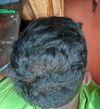
The conversation humorously suggests that elites with full hair are suppressing a hair loss cure to maintain their dating advantage. It mentions treatments like hair systems, hair transplants, and medications such as Minoxidil and finasteride.
The user has been using oral minoxidil, dutasteride, RU58841, and other treatments for hair loss over nine months, seeing some improvement in hair thickness and crown volume but continued thinning at the hairline. They plan to continue treatment for another nine months despite being sensitive to DHT fluctuations and are considering increasing dosages or other options like a hair transplant.
The user reported significant hair regrowth over four months using oral minoxidil, dutasteride, and biotin. They take 0.5mg dutasteride, 2.5mg minoxidil, and 10mg biotin daily, with occasional extra biotin.
The user experienced long-term pain after an FUE hair transplant and is considering Kenacort injections for relief. They also reported brain fog, dizziness, and anxiety after stopping minoxidil and finasteride, and are currently using PRP, microneedling, and rosemary oil for hair maintenance.
An 18-year-old experiencing diffuse hair thinning since 8th grade seeks advice. They are concerned about having less hair than their 52-year-old father and are looking for treatment options.
The user started finasteride and minoxidil in 2023 and added other treatments like ketoconazole shampoo and a Theradome helmet, noting some improvement but also experiencing fluctuations in hair density. They are considering adding low-dose dutasteride to their regimen and are seeking advice on distinguishing between normal hair changes and actual hair loss progression.
The user is experiencing significant hair shedding after 3 months of dutasteride mesotherapy, 2.5 months of Minoxidil, and using ketoconazole shampoo. They are concerned about the shedding but plan to continue the treatment.
The conversation is about finding a source to buy RU58841 in Germany, specifically looking for a PG-free option. Users suggest buying powder and mixing it themselves, with one user recommending a specific website.
The conversation discusses hair shedding experienced by users undergoing hair loss treatments, including finasteride, minoxidil, and microneedling. Many users report experiencing significant shedding around the 8-12 month mark, which is considered a normal part of the hair regrowth process, with expectations of stronger regrowth following the shedding phase.
Significant hair regrowth was achieved using 1mg finasteride and 5% topical minoxidil over 14 months, with only initial shedding and mild scalp irritation as side effects. Consistency and early treatment are recommended for optimal results.
RU58841 from rudirect caused more hair shedding and itch, while anageninc's RU58841 improved the situation. Users are concerned about the quality and authenticity of RU58841 from different suppliers, including those from China.
Shampoos can help with thinning hair by improving scalp health and reducing breakage, but they can't address genetic or hormonal causes. Effective treatments often include using topical minoxidil and finasteride, while the right shampoo varies per individual needs.
The conversation discusses hair loss treatments, with a focus on PRP, which is viewed skeptically. Minoxidil and finasteride are recommended as more effective options.
Pyrilutamide is discussed as a potential hair loss treatment, acting as an androgen receptor antagonist. The conversation questions if it can maintain hair long-term without using finasteride.
Clascoterone's full trial results are expected by mid-July 2026, but skepticism exists about timely release. Clascoterone is available at 5% from some telehealth companies.
A 23-year-old has been using finasteride every other day and topical minoxidil daily for five months to address hair thinning, with plans to resume dermarolling. They experienced minimal shedding and are considering switching to daily finasteride for better results.
A 35-year-old man has used finasteride for 12 years and oral minoxidil at 5 mg for 2 years, achieving significant hair regrowth and density without side effects, avoiding a hair transplant. He recommends consistency with medication and highlights the effectiveness and affordability of oral minoxidil.
The conversation is about a user's three-year progress in reversing hair loss using daily Dutasteride 0.5 mg and topical Minoxidil, with no side effects. The user emphasizes patience, as significant results were noticed after one year, despite a strong family history of early baldness.
The conversation discusses the importance of scalp skin barrier health in hair follicle cycling, suggesting treatments like ceramides or niacinamide to support hair growth. It also mentions the use of finasteride for hair loss.
A 33-year-old male shared his 3-month progress using 1mg oral finasteride and 2.5mg oral minoxidil, along with supplements and serums, reporting thicker hair and new growth in thinning areas without side effects. Users suggested considering dutasteride or a hair transplant for better results, while others encouraged continuing the current regimen for at least a year.
Using tretinoin with minoxidil may improve absorption but results vary; some users see improved follicle growth while others notice no significant difference. Applying tretinoin before minoxidil is suggested by some users.
An 18-year-old experiencing mild hair thinning is prescribed ketoconazole shampoo, clobetasol, and a solution with minoxidil, finasteride, and tretinoin. They are hesitant to start finasteride due to concerns about systemic absorption and its impact on facial hair development.
A 25-year-old is considering treatments for hair regrowth, including ketoconazole shampoo, 5% Minoxidil, Minoxidil with Tretinoin, and possibly ordering RU58841. They are hesitant about using Dutasteride or Finasteride due to perceived risks but are motivated to regrow hair to improve appearance due to visible veins from low body fat.
The user showed 2-3 years of hair regrowth progress using oral finasteride, topical minoxidil, and microneedling. They plan to switch to oral dutasteride and Liposomal Minoxidil Sulfate for better results.
Oral minoxidil can cause rare facial bloating, especially at higher doses and in women. Reducing sodium intake, drinking more water, and adjusting the dose can help manage side effects.
PP405 is expected to be a promising addition to hair loss treatments, potentially working well with existing treatments like finasteride and minoxidil, but not as a standalone solution. Users are hopeful for its effectiveness, especially in combination with other treatments, though expectations vary.
A 23-year-old male has been using finasteride and topical minoxidil for 14 months with slight improvement, but recent shedding led him to switch to a new minoxidil formulation without success. He is considering using topical RU58841 or dutasteride to better address scalp DHT, as his bloodwork shows high total testosterone and mid-range DHT levels.
A 20-year-old has been using 1mg of dutasteride daily, caffeine shampoo, Nizoral shampoo 2-4 times a week, and pumpkin seed pills for hair growth, noticing regrowth since October. Initial shedding occurred, but improvements are felt, especially at the back of the hair.
The user reported using finasteride 1mg, minoxidil 5% topical, and microneedling 1mm weekly for six months with no side effects. The conversation includes questions about the effectiveness and methods of these treatments, with some users sharing their experiences and advice.