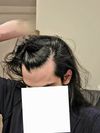
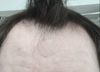
A 30-year-old male is experiencing hair loss and is concerned about his receding hairline, seeking advice on his Norwood scale classification. He is apprehensive about using Minoxidil and finasteride as treatments.
The user experienced hair loss after using minoxidil and plans to document their recovery over six months with bi-weekly photos. They aim to regain their hair by following specific routines.
The user is experiencing some hair regrowth after 3 months of using finasteride, minoxidil, biotin, vitamin C, and vitamin D, with noticeable improvements in hair thickness and baby hairs on the hairline. Other users suggest additional treatments like dermarolling and scalp massages for better results.
The user shared their 3-month progress using 5% topical minoxidil and microneedling with a 1mm dermaroller, noting significant hair growth without using finasteride. They applied minoxidil twice daily and used the dermaroller three times a week, experiencing a short shedding phase after 2-3 weeks.
Alfatradiol is considered a mild treatment for hair loss, often used alongside other treatments like finasteride, minoxidil, and dutasteride. Users report it helps maintain hair but is not effective for regrowth on its own.
Significant hair regrowth was achieved using RU58841, minoxidil, and microneedling during a high-dose steroid cycle. The user reported no side effects from RU58841 and plans to continue the regimen.
A 34-year-old male shares his 4-month progress using Minoxidil 5%, Finasteride 0.2% liquid, Tretinoin 0.01% liquid, and a dermaroller once a week for hair regrowth, reporting no side effects and noticing baby hairs on the crown. He prefers topical treatments over oral Finasteride and is optimistic about further progress.
Inflammation plays a significant role in hair follicle miniaturization and androgenetic alopecia, with treatments like ketoconazole shampoo, minoxidil, and finasteride being used to address it. Users discuss the benefits of anti-inflammatory treatments and peptides like KPV, alongside traditional hair loss treatments, to improve scalp health and hair quality.
The user is using oral finasteride daily, topical minoxidil 5-6 days a week, tretinoin before minoxidil 3 times a week, and dermastamping weekly for hair loss treatment. They are considering adding dutasteride to their regimen and have not experienced any side effects from finasteride.
The user is considering a hair regrowth routine using minoxidil, a laser cap, and possibly topical finasteride, while avoiding oral finasteride due to past surgery concerns. They plan to use these treatments for 6-8 months before consulting a hair transplant doctor.
The user has been using a Phoenix 2-in-1 pill (1mg finasteride with 3mg minoxidil), nizoral ketoconazole shampoo, and derma rolling for 9 months but continues to experience hair shedding. They are considering adding Rogaine foam and are curious about low-level laser caps for better results.
Matthew McConaughey's hair restoration methods are speculated to involve hair systems, transplants, and treatments like finasteride and minoxidil. Many believe he falsely credits his hair regrowth to Regenix, while others suggest he uses a combination of treatments for a natural look.
The user experienced significant hair regrowth after 3.5 months of using finasteride 1 mg daily, despite stopping minoxidil after three weeks. They were surprised by the results and noted some weight gain but no significant side effects.
A recent discovery in hair cloning identified a previously unknown cell type essential for hair follicle growth, which could potentially make lab-grown hair viable if translated to humans. However, skepticism remains due to past delays and the challenges of replicating results in humans and making the process affordable.
Vitamin E and K deficiencies due to exocrine pancreatic insufficiency may affect hair growth. A scalp biopsy is recommended to check for autoimmune-related hair loss.
The user experienced significant hair regrowth using 5mg oral Minoxidil and 0.5mg oral Dutasteride daily, with no side effects except increased body and eyebrow hair. They are concerned about progress plateauing but have not experienced shedding.
Users discussed the effectiveness of Everychem's solution, similar to PP405, with some reporting improved hair thickness and new growth. Concerns were raised about safety and the legitimacy of the product, with some users advising against purchasing research chemicals.
A 24-year-old male is concerned about hair loss, possibly at Norwood stage 3 to 5, and has started using Minoxidil, shampoo, and hair fibers, while planning to get finasteride. He is worried about the shedding process affecting his progress.
The user has been using topical finasteride since October without improvement and is considering adding a caffeine product with dimethylglycine. Another user suggests caffeine is more promising and advises consulting a dermatologist about the lack of progress with finasteride.
Low doses of dutasteride are as effective as higher doses for hair regrowth, with fewer side effects. Users find success taking it 2-3 times a week instead of daily.
RU58841 hasn't stopped shedding for the user after three weeks, despite being stable on dutasteride for six years. Suggestions include continuing RU58841 for 4-6 months, considering minoxidil, and addressing stress and sleep issues.
A 25-year-old male experienced increased testosterone and estradiol levels after starting finasteride for hair loss, leading his doctor to suggest a testicular ultrasound as a precaution. The user questions the necessity of the ultrasound, considering it potentially excessive, while others suggest it could be a useful precaution to rule out any issues.
Taking dutasteride with a meal containing fat may improve absorption, but consistency in routine is more important than timing. Minor variations in absorption won't significantly affect efficacy due to dutasteride's long half-life.
People often notice and analyze others' hairlines due to their own insecurities about hair loss. Treatments mentioned include finasteride, minoxidil, dutasteride, and red light therapy.
The user experienced significant hair growth and increased density after using 1.1mg finasteride for 4-5 weeks and switching from topical to oral minoxidil (3mg) for 3 weeks. They reported no shedding and were uncertain if the growth was due to the oral minoxidil or finasteride.
The user experienced positive hair growth and thickness after using a daily blend of 1.2mg Finasteride, 3mg Minoxidil, and other vitamins for five months, with noticeable improvements around the 3.5 to 4-month mark. They reported no side effects and emphasized the importance of patience and consistency with the treatment.
New hair loss treatments like GT20029, Clascoterone, and PP405 are being discussed, with concerns about how to apply multiple topicals alongside existing treatments like minoxidil and finasteride. Suggestions include creating a routine, mixing treatments, or minimizing redundancy in treatment stacks.
A 26-year-old reported significant hair regrowth using finasteride daily for six months and topical minoxidil for four months, with no side effects. Others shared mixed experiences, mentioning additional methods like dermarollers and tretinoin.
Poor sleep quality may affect hair growth cycles by disrupting the body's natural clock and stress hormones. The focus should be on improving sleep to support overall health, including hair growth, rather than relying solely on treatments like Minoxidil, finasteride, or RU58841.
PP405 is progressing rapidly through trials, with mixed opinions on its potential effectiveness. Current treatments like minoxidil and finasteride are still widely discussed, with some users reporting positive results from new formulations.