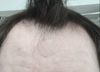
Microneedling for hair restoration involves daily use of a 0.3 mm device and weekly use of a 0.5 mm device. Combining microneedling with Minoxidil can enhance hair growth.
A drug that regrows body parts, but not hair, sparking debate on hair loss treatments. Discussions include the use of finasteride, dutasteride, and the potential for new methods to restore hair.
Dutasteride is generally considered more effective than finasteride for hair regrowth, with some users experiencing better results, especially at higher doses. However, individual responses vary, and some users report side effects or no response to either treatment.
Finasteride can cause dry eyes and vision issues due to its impact on the meibomian glands. Users have mixed experiences, with some experiencing eye discomfort and others having no side effects.
Hair loss treatments like finasteride, minoxidil, and dutasteride are discussed, with users sharing mixed experiences about effectiveness and side effects. Some users report positive results, while others express concerns about side effects, highlighting the importance of personal choice.
User shared 4.5-month hair loss treatment results using Fin, Minoxidil, and microneedling. Others discussed postponing hair transplant and adjusting microneedling depth.
Balding scalps have more androgen receptors, leading to increased TGF-beta, which causes blood vessel loss and hair follicle miniaturization. Blocking androgen signaling and TGF-beta may help prevent hair loss.
A 26-year-old with extreme male pattern baldness saw hair regrowth after 6 months using Minoxidil, Finasteride, microneedling, Nizoral, a vitamin complex, biotin, and a shampoo with baicapil. Continuation of treatment is necessary to maintain results; stopping may lead to hair loss, making a hair transplant a potential future option.
Clascoterone (Breezula) showed positive results for treating hair loss without affecting cortisol levels. Opinions vary, with some users optimistic about its potential and others critical of its effectiveness compared to existing treatments like finasteride.
Breezula® (Clascoterone) showed promising results in a Phase 2 trial for treating hair loss, being as effective as Propecia with no serious side effects. It might be released between 2021-2022, and a related acne treatment with the same active ingredient could be used in the meantime.
Discussing and researching different treatments for hair loss, including RU58841, Dutasteride, Spironolactone, Retin-A, Stemoxydine (Neogenic), Copper peptides, Superoxide Dismutase, NANO, and Eucapil.
User took 0.5mg Finasteride daily and 1x Minoxidil daily for 3 months, experienced positive hair growth and temporary side effects. Recommends sticking with treatment and adjusting dosage if needed.
A user's success in hair regrowth after taking oral and topical medications, such as minoxidil and dutasteride, and using microneedling. Other users shared their experiences and advice with treatments used to reverse hair loss.
Addressing hair loss by focusing on posture, blood flow, and craniofacial development. Methods include improving posture, cardiovascular activity, scalp massages, healthy diet, meditation, using minoxidil, and addressing craniofacial issues.
Dutasteride has a larger volume of distribution than finasteride due to its lipophilic nature, allowing it to concentrate in hydrophobic areas and making it difficult to excrete. A user experiencing hair loss has been using oral finasteride for 10 months with minimal regrowth and is considering switching to dutasteride or adding oral minoxidil.
A 35-year-old male has been using finasteride for 2.5 years but still finds his hair loss unsatisfactory and is considering a hair transplant. He is seeking advice on the number of grafts needed and affordable options in Canada.
A 22-year-old male is on day 77 of using 1 mg finasteride for hair loss. He reports decreased oiliness and shedding but is unsure about overall progress.
Using topical fin and minoxidil (as well as potentially microneedling) for hair loss over a two year period, with the user reporting great progress. Additional questions were asked about dosage amounts, haircuts and side effects of these treatments.
The user is using testosterone and finasteride to prevent hair loss and is considering adding Primobolan or Masteron, which are DHT-derivatives. They are seeking advice on their genetic risk for male pattern baldness and whether they can safely use these compounds without significant hair loss.
A user named "Redbone2222" shares their positive experience with a hair transplant procedure of 2500-3000 grafts, along with the use of 1mg finasteride daily and 5% topical minoxidil. They express satisfaction with the results and believe that finasteride has been more effective for them than minoxidil.
Pyrilutamide, a potential hair loss treatment that is currently in development and may be available soon; an androgen receptor degrader which is also being developed as a potential treatment for hair loss; and the comparison between Pyrilutamide, finasteride, minoxidil, and RU58841.
Oral minoxidil is effective for hair loss but can cause cardiovascular side effects, such as pericardial effusion, especially in those with genetic predispositions. Starting with low doses and monitoring cardiovascular health are advised to reduce risks.
Minoxidil with alcohol and propylene glycol was more effective than non-alcohol versions, and RU58841 worked best in a non-water-based solution. Oral finasteride showed better results than topical, despite side effects; microneedling and tretinoin worsened hair loss, and PRP was only helpful when younger.
User started balding at 16 and began treatment at 18, using RU58841, minoxidil, derma rolling, and peptides. After 6 months, they experienced significant hair regrowth and are happy with the results.
User "yungnickyyp" shares 5-month progress using Fin/Min/Niz/Derm for hair loss. Others express jealousy and amazement at the significant hair regrowth.
OP has been using finasteride for almost 2 years and is asking if it's okay to take it with vitamins like vitamin C, multivitamins, and fish oils. Another user mentions taking all vitamins together, usually with a small meal.
A user is documenting their natural approach to treating a receding hairline using a dermastamp, essential oils (rosemary oil at 3% dilution with pumpkin seed oil), a multivitamin with vitamin D, and daily collagen shakes. They acknowledge the common recommendations of minoxidil and finasteride but prefer to test natural methods and share their results.
Hair loss treatments, specifically the use of finasteride, microneedling and potentially oral minoxidil. People discussed their experiences with finasteride, its effects on sexual behaviors, as well as potential solutions such as tadalafil or using other growth factor signal peptides for hope in curing male pattern baldness.
Minoxidil's effectiveness is limited by the need for sulfation and proper transport to hair follicles, with tretinoin potentially enhancing its effects by promoting enzyme activity and keratinocyte differentiation. Tretinoin may improve minoxidil's response by boosting the expression of necessary enzymes and transporters.