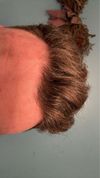
Setipiprant trial for hair loss failed, showing no difference between placebo and treatment. Discussion also noted placebo users reporting side effects.
The user noticed a significant improvement in hair loss after 3.5 months using a topical treatment of 7% Minoxidil, 0.1% Finasteride, and 0.025% Tretinoin, which was prescribed and shipped from a pharmacy in Indiana. Other users discussed alternative products with varying concentrations of Minoxidil and Finasteride.
Significant hair improvement was reported after 18 months of using 1mg dutasteride and 2.5-5mg oral minoxidil daily for diffuse unpatterned alopecia. The discussion includes praise, skepticism about authenticity, and concerns about side effects.
The user claims significant hair regrowth using 2.5mg Minoxidil and 1mg Finasteride over three months, but others question the validity due to differences in hair styling between photos. The user reports no side effects except for body hair growth.
Tretinoin can irritate seborrheic dermatitis, but using it with a moisturizer on calm skin may help. Parallel Health's skin microbiome testing and phage therapy are suggested for persistent issues.
The conversation discusses an individual's 11-month hair regrowth progress using 1mg of finasteride daily. People are curious about the user's age, whether they used minoxidil, and if there were any side effects.
The user reports success in treating hair loss using finasteride, minoxidil, Nizoral, vitamin D3, biotin, and dermarolling. They noticed improved hair growth, especially after addressing a severe vitamin D deficiency and changing their minoxidil regimen.
A 29-year-old male diagnosed with male pattern baldness was prescribed Minoxidil with Azelaic Acid but not Finasteride due to a history of mild depression. He is considering getting Finasteride online without waiting for a 3-month evaluation and is questioning the cost of his Minoxidil prescription.
Finasteride users discuss potential side effects, including Post Finasteride Syndrome (PFS), with varying opinions on its legitimacy and impact. Some users report side effects like changes in semen consistency and reduced pre-ejaculate, while others emphasize the rarity and reversibility of side effects.
The conversation discusses whether adapalene (Differin) increases sulfotransferase like tretinoin does, in the context of combining it with minoxidil for hair treatment. The responses indicate that adapalene does not have the same effect as tretinoin.
27F with androgenic alopecia since 17 seeks treatment. Tried spironolactone, caused low blood pressure; believes finasteride is safer and wants to try it.
The user is considering a second hair transplant or scalp micropigmentation to address thinning in the crown area and hide scars from a previous transplant. They have been using finasteride and minoxidil for three years but are concerned about the appearance of their donor area and the effectiveness of scalp micropigmentation.
The user is using a hair loss treatment regimen that includes double the recommended dose of Minoxidil foam once nightly, a mix of RU58841 and stemoxydine after the Minoxidil dries, ketoconazole every other day, and weekly microneedling with alternating depths. They are also considering starting finasteride soon.
The conversation is about the perceived risks of oral minoxidil compared to spironolactone for treating hair loss, with the original poster currently taking spironolactone due to concerns about oral minoxidil's safety.
User is happy with 6 months of using finasteride 1mg, minoxidil 5%, and weekly microneedling, with no side effects. The post includes progress pictures.
The user has experienced limited hair regrowth using 1mg oral finasteride, topical minoxidil foam, and occasional dermarolling since August 2023. They are considering switching to dutasteride, adding oral minoxidil 2.5 mg, and RU58841 to improve results.
The user reported progress with hair regrowth using a topical solution combining finasteride and minoxidil, but experienced scalp irritation which improved after adjusting the treatment. They are considering microneedling but are concerned about the risk of scarring.
A 34-year-old woman is experiencing diffuse hair loss and irregular periods, possibly due to long-term spironolactone use. She is considering minoxidil and finasteride for treatment and seeking medical advice for androgenic alopecia and hormonal imbalances.
The user, a 27-year-old male, has been treating early hair loss with topical finasteride and minoxidil, then switched to oral finasteride and dutasteride, but has seen no improvement and plans to add oral minoxidil. Despite treatment, hair loss has progressed from Norwood 1-1.5 to Norwood 3, with noticeable thinning, especially on the left side.
The user shared progress pictures after 10 months of hair loss treatment, initially using 1mg Finasteride and 5mg Minoxidil, then switching to 2.5mg Minoxidil, topical Minoxidil, and RU58841. Recently, they added 0.5mg Dutasteride to their regimen.
A 23-year-old male has been using 1.1mg finasteride and 5mg oral minoxidil for 4 months and is questioning if he has experienced hair regrowth. He reports some thickening of arm and facial hair but no serious side effects.
A 29-year-old shares their 3-4 month progress using 2.5 mg Minoxidil and 1.0 mg Finasteride daily for hair loss, noting improved hair density and color. They experienced initial body itching and occasional dips in sex drive but are satisfied with the results.
RU58841 has significantly improved the user's hair loss experience, alongside oral finasteride, dutasteride, 5 mg minoxidil, topical finasteride, dermastamping, and low-level laser therapy. The user is considering increasing their RU58841 dose from 75 mg to 100-150 mg daily.
A user has been using 0.025% topical finasteride and 8% minoxidil for six months with decent results and no side effects. They are considering adding oral minoxidil, but others suggest continuing the current regimen without changes.
A user who has been using Pyrilutamide for 5 months with no results, and other users suggesting they switch to RU58841 or stick to their treatment plan for at least one year.
The user began experiencing hair loss a few years ago at age 22 and is a diffuse thinner with a Norwood scale rating of 2. They have a naturally athletic build and gain muscle easily, with a hairy chest and stomach.
Setipiprant and Fevipiprant are questioned for their effectiveness in hair maintenance, with skepticism due to lack of convincing results beyond vellus hair growth. The user is satisfied with Minoxidil and Finasteride but is curious about the potential of DP2 inhibitors.
Oral minoxidil is generally more effective than topical minoxidil, despite higher side effect risks. Topical minoxidil can achieve higher bloodstream levels in some individuals, but effectiveness depends on conversion and scalp response.
OP is experiencing severe side effects from daily Minoxidil, Dutasteride, and Biotin use and is considering reducing Minoxidil to once or twice a week. A response advised seeing a doctor due to heart-related issues.