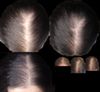
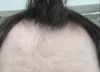
Hair transplants, oral finasteride, oral minoxidil, and dutasteride mesotherapy are highly effective for treating AGA hair loss. This combination can maintain and improve hair for most people, except those with very aggressive AGA.
The individual is experiencing hair loss and has a vitamin D deficiency, with levels at 7.49ng/ml or 26nmol/l. They are unsure if the deficiency is causing the hair loss and are seeking advice on vitamin D supplementation.
A 21-year-old is frustrated with hair loss treatments, having used Rogaine and finasteride without success, and feels dermatologists are not providing straightforward advice. They plan to continue using finasteride and Rogaine, despite considering shaving their head due to low hair density.
Treatment options for female alopecia androgenetica, discussing the availability of spironolactone online in The Netherlands and other potential treatments like finasteride, minoxidil and RU58841.
The user has been on finasteride for 18 months and added dutasteride after the first 6 months, with no hair regrowth observed. Bloodwork shows normal levels of DHT despite the use of both medications.
The conversation discusses using topical finasteride for hair loss, with concerns about its safety around family members, especially pregnant women and infants. One user plans to try topical finasteride due to side effects from the pill.
A user is experiencing significant hair loss and stress, seeking advice on treatments. They are using Pura d'or shampoo and conditioner, biotin, and considering other options but are hesitant about treatments like Minoxidil due to the need for continuous use.
A 33-year-old male experienced sudden, rapid hair loss, possibly due to a reaction to mentholated shampoo and undiluted tea tree oil, with a history of seborrheic dermatitis. He is currently taking finasteride, vitamin D3, a multivitamin, and biotin, and is seeking further medical evaluation.
A young woman with genetically thin hair is stressed and embarrassed, seeking advice. Suggestions include seeing a dermatologist, using spironolactone, and minoxidil for hair regrowth.
The user is concerned about their receding hairline and is using Revita Extra Strength Shampoo, derma stamping every two weeks, and applying 5% minoxidil daily. They are seeking advice on whether to change their routine.
A 31-year-old male with androgenetic alopecia and seborrheic dermatitis is considering starting finasteride and minoxidil for hair loss, while also using ketoconazole and salicylic acid shampoos for scalp treatment. He is concerned about the timing of starting finasteride and potential side effects, and seeks advice on whether to prioritize scalp health or begin hair loss treatments simultaneously.
The user has been using minoxidil for almost 6 months and finasteride for almost 4 months, experiencing significant shedding and minimal stabilization. They are considering switching to dutasteride if no improvements are seen and are advised to be patient, as results may take up to 2 years.
The user experiences an itchy scalp despite using finasteride and ketoconazole shampoo for hair loss. Suggestions include trying different shampoos, switching to dutasteride, and using topical treatments for inflammation.
A 25-year-old male with seborrheic dermatitis and hair thinning seeks advice on the severity of his condition and treatment options. Oral finasteride and oral minoxidil are recommended as the most effective long-term treatments.
The user is considering a hair regrowth routine using minoxidil, a laser cap, and possibly topical finasteride, while avoiding oral finasteride due to past surgery concerns. They plan to use these treatments for 6-8 months before consulting a hair transplant doctor.
A 24-year-old male is concerned about hair loss, possibly at Norwood stage 3 to 5, and has started using Minoxidil, shampoo, and hair fibers, while planning to get finasteride. He is worried about the shedding process affecting his progress.
A user shared their 75-day progress using oral minoxidil, finasteride, ketoconazole shampoo, and dermastamping for retrograde alopecia, reporting significant improvement and increased body hair without side effects. They also discussed quitting smoking and the potential correlation between early beard growth and male pattern baldness.
A 37-year-old is using topical Minoxidil once daily to address hair thinning, avoiding finasteride due to regular blood donations. They are satisfied with the results, seeing new hair growth, and prioritize blood donation over additional treatments.
A user shared their experience obtaining a finasteride prescription through Lemonaid, highlighting the ease of the process without needing to provide photos. They chose oral finasteride for preventative hair loss treatment due to a family history of baldness and received a year’s supply at a low cost.
An 18-year-old experiencing aggressive hair loss has been using 1mg finasteride and 2.5mg oral minoxidil for 162 days but continues to shed hair. Suggestions include switching to dutasteride, considering topical minoxidil, and consulting a dermatologist for further evaluation.
Dermatologists have differing opinions on hair loss treatments, with some using topical dutasteride, oral minoxidil, exosome therapy, PRP, and various other therapies. The user plans to use a topical solution of dutasteride, minoxidil, tretinoin, PRP, and LLLT.
The user is taking dutasteride and minoxidil for hair loss but is concerned about continued hair shedding and lack of visible results. Others advise that shedding is normal, suggest better photo documentation for comparison, and recommend patience as results may take longer to appear.
Doctors recommend starting with minoxidil for hair loss due to its lower risk of side effects compared to finasteride. Some believe finasteride should be used early to address the root cause, but a conservative approach is preferred by medical professionals.
Switching to Amazon for finasteride prescriptions can save money, with a 90-day supply costing around $17 for Prime members. Oral minoxidil requires monitoring, so a local doctor is needed for that prescription.
A user plans to stop finasteride to improve sperm quality for conception and seeks advice on minimizing hair loss during the break, considering using topical minoxidil and medicated shampoo. Responses suggest continuing finasteride with precautions or highlight the lack of strong alternatives to finasteride and dutasteride for hair loss prevention.
Finasteride can cause initial hair shedding as part of the treatment process, which is normal and often leads to regrowth of healthier hair. Users discuss experiencing multiple shedding phases and emphasize patience, as results can take several months to become noticeable.
The conversation discusses using isotretinoin (Accutane) to reduce scalp oiliness and manage scalp issues like seborrheic dermatitis, inflammation, and chronic itch. A user shares that taking 20mg of Accutane every other day effectively reduces oily hair and skin.
The user is managing hair loss with oral finasteride, recently switching to dutasteride, and topical minoxidil, but faces challenges due to seborrheic dermatitis. They seek advice on effective regrowth methods that don't worsen their condition, with suggestions including various shampoos like Vichy Dercos and ketoconazole.
The user started hair loss treatment at 19 with oral finasteride and topical minoxidil, later switching to oral Dutasteride and oral minoxidil. Despite ongoing treatments, including microneedling and topical applications, hair loss, particularly at the hairline, continues to progress.