Search
for
Sort by
Community Join
450-480 / 1000+ resultscommunity ASATONA AG and "Asatex"
The conversation discusses Melatonin's potential benefits for AGA and a product called "Asatex" by ASATONA AG. The company was uncooperative when contacted for purchase inquiries.
community 12 mo update: oral (dut, min), topical (RU, min), microneedling
A user's 12 month update on treatment for hair loss, which include oral dutasteride and minoxidil, topical RU88541 and minoxidil, microneedling with hyaluronic acid and FinDuta, experiencing no side effects, positive results and inspiring other users.
community Is anyone maintaining/getting results on fluridil(eucapil) or alfatradiol?
Hair loss discussion includes fluridil (eucapil) and alfatradiol. Users share improvement experiences and alternative treatments in comments.
community 1000 grafts - 7 days after hair transplant
community 12M post-op +dutasteride daily / FUE 3000Hairs in Korea
A user shared progress pictures 12 months after a hair transplant and daily use of dutasteride. The conversation discusses the quality of comparison photos and the use of hair fibers.
community So, what's the consensus on bimatoprost, lanatoprost or travoprost for AGA/MPB?
Bimatoprost, latanoprost, and travoprost can aid hair regrowth but are costly and less effective than minoxidil. They work best when combined with minoxidil and finasteride.
community A positive thought rolling into Christmas
The conversation is optimistic about future hair loss treatments, highlighting Veradermics, Breezula, and PP405 as promising options expected by 2027-2028. The user expresses hope that these developments will prevent future generations from experiencing the same struggles with hair loss.
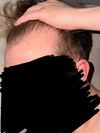
community 22-Year-Old Seeking Advice on Future Hair Transplant and Grafts
A 22-year-old is planning a hair transplant for the end of 2027 and is currently using finasteride, switching to dutasteride soon, and taking oral minoxidil to stabilize hair loss. They are seeking advice on candidacy and the number of grafts needed.
community Anyone noticed this on the Examine Amla page?
The conversation discusses hair loss treatments, specifically Minoxidil, finasteride, and RU58841. It also mentions observations about the Amla page on Examine.
community The use of peptides to enhance hair growth from wounding
The conversation discusses using peptides BPC-157 and TB-500, combined with microneedling, to potentially enhance hair regrowth. The user plans to try BPC-157 due to its lower cost and reports of hair growth, despite limited human trials and concerns about side effects from other treatments like minoxidil and finasteride.
community Currently on Fin + Min. I want to add microneedling and RU / PY for potential regrowth. Which do I go for?
The user is currently using finasteride and minoxidil and is considering adding microneedling and either RU58841 or Pyrilutamide for potential hair regrowth. They previously used microneedling, RU58841, and oral minoxidil before their hair transplant.
community Stemcell with fat transfer to scalp.. locations in USA?
community 3 years of treatment Dut, topical Min, 1 year of RU
community Trialing the probiotics BB536, PTA 6475 so you don’t have to
Probiotics like L. reuteri ATCC PTA 6475 and B. longum BB536 may improve hair growth and density by reducing inflammation and reversing DHT damage. The user is trialing these probiotics personally, ordering them from the U.S. to Canada, and plans to continue if no adverse effects occur.
community Pyrilutamide Phase 3 on its way
Pyrilutamide Phase 3 approved, starting early 2022 with 416 subjects for 24 weeks. Drug potentially better than RU and Breezula, with some users reporting no side effects.
community Anyone use Verteporfin with their hair transplant yet?
User discusses using Verteporfin for hair regrowth after hair transplant. Replies mention successful follicle regrowth in studies and mice, questioning if it can be replicated in humans.
community Research and Experiences with Stem Cells?
community Opinions- AGA options and pregnancy
A user with Androgenetic Alopecia is seeking advice on hair growth treatments while planning for pregnancy. Current routine includes LaserCap, Nizoral Shampoo, scalp massage, The Ordinary Multi Peptide Serum, vitamin D, prenatal vitamins, and SEEN shampoo.
community Diffuse thinner with hair transplant no longer an option. Any other viable treatments I can add to my regimen?
The user is exploring alternatives to hair transplants due to a weak donor area and is currently using finasteride, minoxidil, dermapen, low-level laser therapy, Nizoral shampoo, and a high-protein diet. They plan to switch to dutasteride and consider adding RU58841, while rejecting hair systems and considering a buzz cut.
community 1 year of 2-deoxy-D-ribose, what do you guys think?
community 24yo 3 month 2.5mg oral fin + 0.5mg dut + capilar mesotherapy
A 24-year-old shares progress on hair regrowth after 3 months using 2.5mg oral minoxidil, 0.5mg dutasteride, and scalp injections of dutasteride, minoxidil, and vitamins every two weeks. They are uncertain if the improvement is due to actual regrowth or just longer hair.
community tretinoin for hairloss and balding
community Is flying with Fluridil a problem?
The post is about the potential legal trouble of bringing a four-month supply of fluridil, a hair loss treatment, into non-Western countries.
community Thoughts on STEM cell hair transplants?
community FYI you can't donate blood when on fin/dut
People on finasteride or dutasteride cannot donate blood due to the risk of birth defects if the blood is given to a pregnant woman. It's advised to stop finasteride for a month and dutasteride for six months before donating.
community Target Area Hair Count (TAHC) increase comparasion of all future treatments in clinical trial phases
Finasteride, Minoxidil, Bioneer CosmeRNA, Technoderma, Kintor, Hope, Breezula, and Follicum treatments showed increases in hair count, with Technoderma showing the highest increase at 24.3 hairs/cm². Amplifica has not yet published results.
community 2-deoxy-D-ribose (2dDR), a sugar molecule, was found to be 80%-90% as effective as minoxidil in promoting hair growth and neovascularization in androgenic alopecia models, showing promise for alopecia treatment.
2-deoxy-D-ribose, a sugar molecule, is found to be 80%-90% as effective as Minoxidil in promoting hair growth, showing potential for alopecia treatment. Concerns include high cost, lack of human studies, and possible side effects like diarrhea and nausea.
community Rejux-3x - the copper peptide combo that tressless overlooks.
Rejuv-3X, a topical blend with GHK-Cu, AHK-Cu, and JXL-089, is used for hair loss, offering a targeted option without finasteride's side effects. The user plans to combine it with microneedling for enhanced results.
community "Clinical efficacy of microneedle combined with 5% Minoxidil solution and finasteride in the treatment of androgenetic alopecia in males"
Microneedling combined with 5% Minoxidil and finasteride significantly improves hair growth compared to using Minoxidil or Minoxidil with finasteride alone. The combination treatment is safe and effective, but further research is needed due to small sample size and short study duration.