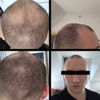
User shared progress pictures of hair regrowth on the crown/vertex after a transplant and using finasteride, Minoxidil foam, and a dermapen. They hope to fully regrow or increase density in the crown area.
The conversation discusses hair loss treatments, focusing on reducing scalp itching and dandruff using natural shampoos, witch hazel, and apple cider vinegar. The user also mentions using finasteride and observing potential regrowth, though it's difficult to confirm.
A 19-year-old plans to use an experimental hair loss treatment stack including micro-needling, Minoxidil, Pyrilutamide, Ketoconazole shampoo, and other unreleased compounds like PP405. Users advise against using unverified treatments and suggest sticking to proven options like Finasteride, with some recommending topical application to avoid side effects.
A teenager experiencing hair loss is using minoxidil, a derma roller, and plans to add ketoconazole shampoo to their routine. They are advised to continue this regimen consistently for at least six months to see results, with the shedding being a normal part of the process.
The efficacy of various hair loss treatments, including Finasteride and Dutasteride, with personal anecdotal evidence about potential side effects. It also includes advice to get a male hormone blood panel done before starting treatment, and lifestyle changes to minimize side effects.
A user is considering starting treatments like Finasteride, Minoxidil, and Microneedling for hair thinning, despite stable hair loss for over 8 years. They are unsure if the presence of miniaturized hairs indicates potential for regrowth or if they should accept the current state.
PP-405, a potential hair loss treatment, shows promise in stimulating dormant hair follicles and may help with various hair loss types. Current treatments like Minoxidil are still recommended as PP-405 is in early trials and may take years to become available.
A user is upset about hair loss due to seborrheic dermatitis and DUPA, which prevents a hair transplant. They mention using jojoba oil and discuss treatments like Minoxidil, finasteride, and RU58841.
The devastating effects of male pattern baldness and how it can be seen as a societal double standard, with many people mocking those who experience hair loss. People shared their own experiences of hair loss and discussed potential treatments such as hair transplants, Minoxidil, finasteride, and RU58841.
The conversation discusses future hair loss treatments, with mentions of dutasteride potentially gaining FDA approval and increased popularity. Skepticism remains about significant advancements due to limited funding and reliance on cosmetic companies.
A 23-year-old man with hair loss, despite using dutasteride, oral minoxidil, and RU58841, is considering bicalutamide for regrowth but is concerned about feminization. Alternatives like topical estrogen, JXL069, and spironolactone are discussed, with suggestions to explore thyroid levels and other potential underlying conditions.
The conversation discusses unconventional and satirical ideas for hair regrowth, including using umbilical cord cells, stem cells, and other humorous suggestions. It concludes with recommendations for more traditional methods like hair transplants or hair systems.
The post discusses various hair loss treatments including minoxidil, finasteride, microneedling, vitamins, lifestyle changes, and reducing prolactin levels. The user reports positive results after 4 months of treatment, including increased hairgrowth.
A user embraced their hair loss by choosing a buzzed hairstyle and received positive feedback on their appearance. Some suggested acceptance and self-care, while others discussed the potential of hair regrowth with treatments like finasteride and minoxidil.
A user shared their journey of improving their overall appearance and health after starting to lose hair at 21, which led them to adopt a healthier lifestyle, including better dental hygiene, dieting, and exercise. They used biotin, Rogaine, and finasteride to combat hair loss and emphasized self-improvement despite the possibility of still losing hair.
The user is experiencing ongoing hair loss despite using a comprehensive treatment regimen including dutasteride, oral minoxidil, cyproterone acetate, transdermal estradiol, and topical bicalutamide. They suspect cyproterone acetate may be worsening their hair loss and are considering switching to injection monotherapy.
The conversation discusses hair loss concerns, with suggestions to use finasteride (Fin) and minoxidil (Min) as treatments. Stress, creatine in protein shakes, and male pattern baldness are considered potential factors.
Pregnancy can temporarily reverse hair loss in women, but attempts to mimic pregnancy hormones with treatments like contraceptive pills, spironolactone, estradiol, progesterone, finasteride, and minoxidil have been ineffective. The discussion highlights the need for research into the hormonal mechanisms of pregnancy that affect hair regrowth.
KX-826, Breezula, PP405, and Stemson are potential future treatments for hair loss, with varying timelines and mechanisms like blocking DHT and stem cell activation. Users express skepticism about the timeline and mention current options like hair transplants and minoxidil.
A user shared their experience with hair loss treatments, noting improvement after switching from minoxidil and finasteride to dutasteride. They observed new hairgrowth and reduced scalp inflammation, expressing hope for further progress.
A humorous discussion about random, long hairs appearing on the body, with no connection to hair loss treatments like Minoxidil, finasteride, or RU58841. Participants share personal anecdotes about these unusual hairs.
The conversation discusses hair loss, with users suggesting treatments like ketoconazole shampoo, finasteride, and dutasteride. Symptoms like burning and tenderness are mentioned, with recommendations to see a dermatologist for potential scarring alopecia.
A 25-year-old is experiencing hair regrowth after six months of using oral finasteride, oral dutasteride, topical and oral minoxidil, microneedling, and keto shampoo. They report less shedding and healthier hair, with some side effects like GERD due to weight gain.
Hair follicle regenerative therapy is being developed, with clinical trials planned in Japan, potentially allowing for hair cloning and eliminating the need for treatments like finasteride. If successful, the treatment could be available in Japan by 2025, but widespread access and affordability may take longer.
The user has been using topical Minoxidil and finasteride for 5 months without seeing regrowth, despite ideal blood test results. They are seeking advice on what to do next due to frustration with continued hair loss.
A 33-year-old man is concerned about potential hair loss, comparing his hairline to his father's and noticing increased shedding and thinning. He is considering treatments like Minoxidil and Finasteride but is unsure if he has male pattern baldness.
GT20029, a new hair loss treatment, shows promising results but only a slight improvement over placebo. People are cautiously optimistic, discussing its potential and combining it with existing treatments like Minoxidil and Finasteride.
The user switched from topical to oral finasteride and minoxidil, noticing thicker and longer baby hairs, suggesting potential regrowth at the temples. Other users agree it looks like a sign of success.
Finasteride, Minoxidil, Bioneer CosmeRNA, Technoderma, Kintor, Hope, Breezula, and Follicum treatments showed increases in hair count, with Technoderma showing the highest increase at 24.3 hairs/cm². Amplifica has not yet published results.
A user shared their 4-year hair loss journey, starting with finasteride and minoxidil, then adding dutasteride and oral minoxidil, which improved their hair. They are now considering RU58841 and a hair transplant in the future.