Minoxidilmax offering a 0.5% Pyrilutamide solution and debating the cost, effectiveness, and safety of using it alone or with other treatments such as Finasteride and Minoxidil.
A user's 14-month journey with finasteride, microneedling, and Nizoral to treat hair loss. They experienced some side effects such as ball ache, needing to pee constantly, and less semen, but the results were generally positive.
The conversation discusses using topical dutasteride as an alternative to oral finasteride to prevent hair shedding caused by creatine supplementation. Users share experiences with finasteride, dutasteride, and creatine, noting potential side effects and effectiveness concerns with topical treatments.
The user is frustrated with minimal hair regrowth after using dutasteride, oral minoxidil, and previously finasteride and topical minoxidil. Despite feeling discouraged, others suggest continuing treatment as progress can be slow and subtle, with some users noting visible improvement.
A user experienced positive hair regrowth after 108 days of using 0.5 mg daily Dutasteride and Alpecin caffeine shampoo, without Minoxidil. The discussion included advice on dosage, potential side effects, and comparisons with Finasteride and Minoxidil.
The conversation discusses a user's hesitation to start dutasteride for hair loss while already using finasteride, minoxidil (both oral and topical), RU58841, and ketoconazole shampoo. The user plans to gradually transition from finasteride to dutasteride to minimize shedding, seeking advice and reassurance from others.
Topical dutasteride with microneedling and mesotherapy dutasteride injections are effective treatments for androgenetic alopecia in both men and women. These methods offer promising alternatives to oral therapies with potentially fewer systemic side effects.
A 21-year-old experienced erectile dysfunction after using finasteride and consuming multiple drugs, including MDMA, LSD, and weed. He plans to quit finasteride and weed, improve his habits, and consider alternative treatments like mesotherapy with dutasteride.
A 29-year-old male experienced hair regrowth using minoxidil 5% foam and KX826 after stopping finasteride due to side effects. He applies both treatments once daily and reports no side effects from the current regimen.
The user is using oral and topical minoxidil, finasteride, dutasteride, and considering adding rosemary and pumpkin saw palmetto to their regimen. They report significant hair growth, especially with dutasteride, and are considering increasing their dose and adding RU58841.
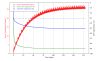
A Dutasteride Simulator predicts serum dutasteride, serum DHT, and scalp DHT levels using models from research papers. It simulates various dosing schedules to determine steady-state effects and visualizes outcomes, including hair growth-related scalp DHT suppression.
The user is using 0.1% dutasteride, 1% minoxidil with 2% procapil and 0.005% caffeine in the morning, and 1% minoxidil with 2% procapil and 0.01% tretinoin at night. They are concerned about the solution vehicle's effectiveness in preventing systemic absorption and ensuring the products stay around the hair follicles.
Dutasteride at 2.5 mg/day reduces scalp DHT by 80%, while 0.5 mg/day reduces it by 50%, with minimal difference in side effects. Users often combine it with finasteride, RU58841, and minoxidil for better hair loss management, though side effects like dry skin and pimples are noted.
Analyzing data on pyrilutamide, a potential hair loss treatment, as well as the effectiveness of other treatments such as Minoxidil, Finasteride, and RU58841.
A user is using RU58841 and pyrilutamide for hair loss and is seeing their hairline return, but the process is slow. They also mention using finasteride and dutasteride, with finasteride causing reduced libido but no noticeable side effects from RU58841 or pyrilutamide.
The conversation is about using dutasteride 0.5mg, minoxidil 5%, and RU58841 for hair loss treatment. Users discuss dosage, potential side effects, and experiences with these treatments.
User experienced feminizing side effects from finasteride and tried RU, alfatradiol, and finasteride without success. They are now considering treatments like Stemoxydine, Zix, Minoxidil, Dermarolling, Eucapil, and a hair transplant.
A user applied pyrilutamide for 6 months without hair regrowth and is considering stopping due to cost and lack of results. Another user suggests switching to finasteride, which is cheaper and has shown regrowth for them.
A 26-year-old male has been using dutasteride for one year after previously using finasteride, along with 5% minoxidil and micro-needling, to treat hair loss. He reports no side effects and is satisfied with the progress, noting some shedding as part of the hair cycle.
The user experienced bladder and prostate discomfort after taking finasteride and stopped the medication, but symptoms returned upon resuming at a lower dose. The doctor suggested trying dutasteride as an alternative.
A user's 3-month experience with pyrilutamide to reduce hair shedding, and how it may not be strong enough to stop the thinning of their hairline. Other users mentioned the effectiveness of minoxidil and finasteride for treating hair loss.
A 30-year-old man shared his 3-month progress using dutasteride, minoxidil, ketoconazole shampoo, and tretinoin cream for hair loss, reporting no side effects. He also takes supplements like Vitamin D3, Calcium, Magnesium, and Zinc, and plans to add Biotin.
Topical Dutasteride 0.05% twice a week and Dutasteride Mesotherapy 0.01% once a week showed noticeable improvement in hair loss over six months without side effects. The user plans to add Minoxidil tablets 2.5mg daily to their treatment.
Kintor's Pyrilutamide (KX-826) showed hair growth in Chinese Phase III trials but did not significantly outperform placebo. The treatment was safe with no major adverse reactions reported.
Sprocketshead asks if pyrilutamide can be applied with minoxidil, and inquires about its consistency and odor. They want to know if it's more high maintenance than topical minoxidil.