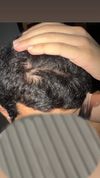
A 33-year-old man experienced diffuse thinning and hair shedding due to sleep deprivation and low testosterone. After starting hCG treatment, he noticed hair regrowth on his temples.
Treatments for hair loss, focusing on Fluridil/Topilutamide (Eucapil), Finasteride and RU58841 (Alfatradiol). The user reported that the Fluridil seemed to work well but had side effects of testicle ache, decreased mood and sex drive.
Sulfur soap may help with hair thickening and reducing scalp inflammation, but it can cause dryness. Nizoral, containing ketoconazole, is noted for its potential to reduce seborrheic dermatitis but may also cause scalp dryness and hair loss.
Combining finasteride and dutasteride with activities that raise testosterone may increase the risk of side effects like gynecomastia, depending on genetic predisposition and hormone levels. It's advised to check hormone levels to assess the risk.
The user is experiencing erectile dysfunction and decreased sperm quality from using Dutasteride for hair loss and is considering stopping it to improve fertility. They are exploring other treatments like Viviscal Men, Minoxidil, Revlan Red System, Fluridil, Nizoral, Stemoxydine, and Eucapil.
The user is using dutasteride 0.5mg every other day and recently started minoxidil 5% with a dermaroller. Initial side effects included watery semen, erection difficulties, and chest pain, but these have resolved.
The conversation is about seeking alternatives to finasteride for hair loss treatment due to concerns about sexual side effects, with pyrilutamide mentioned as a potential alternative.
The user experienced a decrease in libido after long-term use of Finasteride and wonders if it's related to the medication. Responses suggest that hormonal changes and libido fluctuations are normal and may not be solely due to Finasteride.
Finasteride may affect male offspring's fertility and hormonal balance, with debates on whether to discontinue use before conception. Some users report no issues, while others highlight the high doses used in rat studies.
A 28-year-old male experiencing early male pattern baldness is considering using Pyrilutamide (KX-826) as an alternative to finasteride due to side effects. He seeks to maintain his current hair without regrowth and is concerned about potential side effects like reduced libido.
The conversation discusses the fluctuation of testosterone levels in men under 40 and the difference between serum DHT and scalp DHT. It also mentions that DHT levels are higher on Dutasteride than on Finasteride, which is unusual.
Finasteride can cause gynecomastia, which may be reversible by stopping the drug and using selective estrogen receptor modulators (SERMs) like tamoxifen. Lifestyle changes such as weight loss and avoiding alcohol can also help, but surgery may be needed if the condition persists.
Finasteride significantly increased testosterone levels for the user, with no major side effects except watery semen, which was resolved with zinc supplements. The user's hairline stopped receding and slightly improved.
The user is using topical finasteride (1MG in 30ML stemoxydine) and experiencing a lack of morning erections after three months. They are questioning whether to discontinue the treatment or if the side effect will resolve if they continue.
Users are experiencing increased hair shedding despite using treatments like dutasteride, finasteride, minoxidil, hair vitamins, and DHT shampoo. Some note this happens seasonally, while others are concerned their treatments are no longer effective.
Dutasteride users report mixed experiences, with some experiencing significant hair shedding and others seeing improvement after initial shedding. Many users switch from finasteride to dutasteride, hoping for better results, but reactions vary widely, with some facing allergies or worsening hair loss.
Dutasteride can cause hair shedding even with suppressed testosterone levels due to previous damage from DHT. Hair shedding is often a sign of damaged hair being replaced by healthier growth.
A 23-year-old male has been experiencing hair loss since 2022 and has used minoxidil and dutasteride with reduced shedding but no hair regrowth. He is considering PRP with mesotherapy and red light therapy, GFC, or exosomes, with a preference for exosomes due to efficiency and a reputable clinic.
A 23-year-old male experienced nipple sensitivity after taking 0.5 mg finasteride for 2.5 months, with blood tests showing increased testosterone and estrogen levels. He stopped finasteride temporarily and seeks advice to prevent gynecomastia.
The post is about a user experiencing a brutal shed after switching from taking dutasteride 3 days a week to taking it daily. The conclusion is that experiencing shedding when starting a new treatment is normal and varies from person to person.
Dutasteride mesotherapy is discussed as a potentially effective hair loss treatment with no sexual side effects, requiring less frequent application than daily pills. However, it is not widely popular due to limited availability, high cost, and skepticism about its effectiveness.
Clascoterone in Winlevi, a topical AR antagonist, is being re-examined due to concerns about HPA axis suppression in adolescents, but it's unlikely to be banned for adult use in androgenetic alopecia (AGA). The European Medicines Agency recommended refusing Winlevi for acne vulgaris, but this may not affect Breezula's approval for AGA.
A user took finasteride for hair loss 10 years ago, stopped after a month, and has since suffered from severe erectile dysfunction (ED) and other symptoms. They shared blood test results seeking advice for their condition, and others discussed similar experiences with finasteride and related drugs.
How actor Ashton Kutcher used Dutasteride (Avodart) to treat his hair loss at age 25, but stopped taking it due to potential side effects when he wanted to have kids; and the discussion of various treatments for hair loss such as finasteride, minoxidil, and RU58841.
Finasteride users report reduced libido and increased hair shedding initially, but some see these as temporary or manageable side effects. Vitamin E and D-3 supplements are discussed as potential aids for libido and mood.
A 19-year-old male switched from finasteride and minoxidil to dutasteride due to continued hair thinning and is experiencing increased nipple sensitivity and a small lump, raising concerns about gynecomastia. Suggestions include slowing the transition, checking hormone levels, and considering an aromatase inhibitor.
A 41-year-old South Asian individual feels hopeless about hair loss and cannot use oral finasteride or dutasteride due to existing gynecomastia. They are seeking advice on alternative treatments.
The user has been using finasteride and minoxidil, then switched to dutasteride and minoxidil for six months without significant results, noticing thinning after increasing creatine dosage. They plan to consult a dermatologist to explore potential causes beyond androgenetic alopecia.
User reports worsening hair loss despite using Avodart 0.5mg daily and 2ml of Minoxidil daily for over three years. They maintain a healthy lifestyle and are athletic.
A man felt insecure when his date touched his thinning hair, causing awkwardness. He uses finasteride and minoxidil for hair loss but still struggles with confidence.