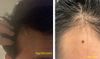
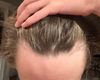
Treating Seborrheic Dermatitis, a fungal scalp condition which can cause hair loss. Treatments discussed include antifungal shampoos, cold showers, exfoliating the scalp, taking Vitamin D, and stimulating the prostate through the anus.
A 28-year-old male started balding at 20 and has been using Bosley Shampoo, minoxidil, finasteride, microneedling, and exosomes/PRP treatments. He also underwent scalp micropigmentation to hide thinning hair and is seeking feedback on regrowth progress.
A 19-year-old trans man has been using Finasteride 1mg for a little over two months and is concerned about worsening hair loss, noting a fuzzy and soft hairline and crown. The user is upset as the hair loss appears worse than before starting the treatment.
The conversation discusses promising hair cloning research seeking commercialization partners. Cultured hairs formed with pigment, indicating positive progress.
Some hair loss may be linked to chromosome 20, which isn't affected by DHT blockers like finasteride. Treatments like minoxidil, microneedling, and genetic testing are suggested, but their effectiveness for this type of hair loss is uncertain.
The user is experiencing rapid hair loss, progressing from Norwood 3 to 7, with thinning at the crown and receding hairline. Suggested treatments include finasteride, minoxidil, ketoconazole shampoo, and CBD with MCT oil.
Hair loss progress pictures can be misleading due to differences in lighting, hair length, and wetness, making it hard to accurately assess changes. Treatments mentioned include minoxidil and finasteride, with some users expressing skepticism about their effectiveness.
PP405 may promote short-term hair growth by pushing follicles into the growth phase, but concerns exist about long-term effects due to lack of rest phases. Users discuss various treatments like finasteride, minoxidil, spironolactone, alfatradiol, and investigational drugs like KX-826 and GT20029 for hair maintenance and regrowth.
A 26-year-old is experiencing unexpected hair shedding on the scalp, eyebrows, eyelashes, and body, along with greasy skin, and has decided to see a doctor. They are seeking advice and support.
A 20-year-old is experiencing aggressive hair loss and is using oral finasteride, topical minoxidil, tretinoin, rosemary oil, and dermarolling in an attempt to manage it. They are concerned about their appearance and future hair loss, seeking advice on additional treatments.
DUPA and retrograde alopecia may not be solely DHT-based, and a biopsy is crucial for accurate diagnosis and treatment. Treatments mentioned include dutasteride, oral minoxidil, pioglitazone, clobetasol, calcipotriol, ketoconazole, and doxycycline, depending on the specific condition.
A 19-year-old male with no family history of androgenetic alopecia (AGA) is experiencing hair loss and considering using a topical minoxidil and finasteride mixture. Despite low vitamin D levels and normal DHT serum levels, he seeks confirmation of AGA before starting treatment.
A 17-year-old is experiencing hair shedding and is concerned about a receding hairline, using hair products like powder and sea salt spray. Advice given includes maintaining good nutrition, ensuring hair products don't build up, and considering further resources if worried.
A 19-year-old male has been using topical finasteride and minoxidil for 8 months with no progress and is considering seeking a second opinion due to potential misdiagnosis. The discussion revolves around whether the hair loss is due to male pattern baldness, alopecia areata, or a vitamin deficiency.
A 33-year-old attempted hair regrowth after 10 years of baldness using topical finasteride, minoxidil, micro-needling, a laser cap, and later oral dutasteride. They noticed some regrowth, especially vellus hairs, and are considering a hair transplant or other treatments despite side effects.
Hair follicles often go dormant rather than die, and treatments like minoxidil can help revive them. Scalp health and stimulation, such as massages and using products like sulphur soap, are also important for hair regrowth.
The conversation revolves around how balding has made the original poster and others hyper-aware of other men's hairlines, often judging the severity of their hair loss and whether they've had treatments like hair transplants, minoxidil, or finasteride. Some participants express a need for therapy due to their obsession, while others joke about their newfound "expertise" in assessing hair loss.
A 16-year-old female experiencing severe hair loss and sebum buildup, likely due to telogen effluvium and PCOS, is currently using vitamin D3 supplements, Redenser serum, and T follihair supplements. Recommendations include addressing PCOS first and consulting a doctor.
Young individuals with seemingly healthy hairlines are using treatments like finasteride, dutasteride, and minoxidil, possibly due to paranoia or proactive prevention of hair loss. Some believe social media influences this behavior, while others argue for waiting until actual hair loss begins before starting treatment.
The user is using RU58841 for hair regrowth on the temples and is considering adding minoxidil. They are questioning the potential for vellus hairs to develop into fuller hair and the possibility of reactivating dormant follicles.
A user with long-term hair loss has been using topical minoxidil, finasteride, RU58841, ketoconazole, and dermastamping for 8 months. They are unsure if the new hairs are miniaturized or vellus.
A user experienced androgenic alopecia starting at the vertex without frontal hairline recession and is seeking information on this pattern. Another user noted that vertex or diffuse hair loss is common among men.
A 17-year-old is using Finasteride and Minoxidil for hair loss, experiencing hair shedding and cystic acne. They are considering Dutasteride for acne but are concerned about potential side effects on genital development.
A user reported significant hair thickening and new baby hairs on the hairline after 11 months of using 1mg finasteride every other day and microneedling once a week. They experienced no shedding, and finasteride stopped all hair loss within 24 hours of the first pill.
An 18-year-old is dealing with hair loss and considering minoxidil and finasteride. Suggestions include starting finasteride, saving for a hair transplant, embracing baldness, and focusing on self-improvement.
A 28-year-old male is experiencing hairline recession despite his family having full heads of hair. Suggested treatments include finasteride, minoxidil, and ketoconazole 2% shampoo.
The conversation discusses a small patch of missing hair and whether treatments like Minoxidil, finasteride, or RU58841 could help. The user is seeking advice on addressing this specific hair issue.
The user is experiencing significant hair loss and has tried treatments like PRP therapy, topical and oral Minoxidil, Finasteride, and dietary changes, with limited success. They are concerned about losing more hair before a scheduled hair transplant and are advised to postpone the transplant to allow medications more time to work.
28-year-old struggles with aggressive hair loss since 18, used minoxidil with limited success. Tried hair systems but found them expensive, shaved head for job interviews but plans to return to hair systems.