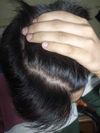
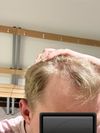
The conversation humorously suggests that doing daily handstands can regrow hair by improving blood flow to the scalp, dismissing traditional treatments like finasteride and minoxidil. It satirically claims that gravity is the real cause of hair loss, with users joking about the effects of gravity on hairgrowth.
A trans woman is using finasteride, minoxidil, microneedling, and HRT to address hair loss, with noticeable improvement in hairline shape and presence of vellus hairs. She is considering hair transplants if these treatments don't yield desired results within a year or two.
The conversation is about hair loss and the possibility of maintaining a full head of hair while using anabolic steroids. Some users believe that having good hair genes and taking hair loss protocols can help prevent hair loss while on steroids.
The user has been using Dutasteride, Minoxidil, Ketoconazole, and RU58841 for hair loss but sees subpar results. Suggestions include adjusting treatments, considering a hair transplant, and addressing scalp inflammation.
A 17-year-old is concerned about hair loss and shares photos for opinions. A user responds that the hair looks normal but is hard to assess from the images.
How diffuse unpatterned alopecia (DUPA) is not an invitation to self-diagnose oneself with aggressive AGA and that seeking a specialized dermatologist may help people experiencing hair loss. Treatment options discussed include topical clobetasol propionate, oral minoxidil, and discontinuing finasteride.
A user shared their hair progress after three steroid cycles, using 5% minoxidil and 100mg RU58841 daily. They are considering a hair transplant due to paranoia about shedding.
Intermittent fasting may inhibit hairgrowth by triggering a stress response that affects hair-follicle stem cells. Some users believe genetics and DHT play a larger role in hair loss, and treatments like Minoxidil and Finasteride are mentioned as ineffective for some.
A 19-year-old is concerned about going bald and disagrees with their parents who suggest therapy, believing hair loss will negatively impact their life. Some suggest therapy can help with the emotional aspects, while others support using finasteride and focusing on what makes the individual happy.
A 21-year-old is experiencing aggressive hair loss despite using minoxidil, dutasteride, and GFC, and is seeking advice on whether to switch treatments or consider a hair transplant. Suggestions include continuing current treatments, checking for underlying health issues, and considering alternatives like RU58841 or microneedling.
Exosome injections stimulate hairgrowth by using exosomes' healing potential to awaken dormant hair follicles and promote new hair cell creation. The procedure increases scalp blood circulation, encourages collagen and elastin formation, and regenerates hair follicles, improving hair thickness and quality.
The user is experiencing positive results in hair regrowth using a protocol that includes minoxidil, dutasteride, essential growth serum, argan oil, trioxidil shampoo, ketoconazole shampoo, and microneedling. They express hope and satisfaction with the progress after six weeks of treatment.
A 25-year-old woman has been losing hair for 10 years despite normal thyroid, hormone levels, and B12 supplementation. She has used Minoxidil with limited success and is considering hair transplants, Propecia, or shaving her head and wearing wigs.
A Silicon Valley-backed company aims to cure hair loss. Exciting advancements include mRNA therapies, gene editing, hair cloning, AR degraders, anti-androgens, cell-based rejuvenation, and AI-based drug discovery, with hopes for FDA approval of GT20029 within 10 years.
The user has been using finasteride for 18 months and minoxidil for 9 months, recently switching to dutasteride, but still struggles with hairgrowth at the hairline. They are considering taking creatine and are unsure if it would be a bad idea.
A 21-year-old male using minoxidil and finasteride for two months is experiencing increased hair loss, which is considered normal and part of the shedding process. Users advise continuing treatment, as results typically appear after 6 months to a year, and suggest adding vitamins, microneedling, or considering dutasteride for aggressive hair loss.
Thin, short hairs often appear in areas of hair loss but may not grow fully despite treatments like finasteride. Some users consider additional treatments like microneedling or hair transplants.
The post and conversation are about a user experiencing hair regrowth after using Minoxidil 5% twice daily, topical finasteride 0.05% once daily, weekly microneedling, and ketoconazole shampoo. Other users noted visible progress and shared their own treatment experiences.
Hair loss treatment with latanoprost, minoxidil, and biotin showed progress. Latanoprost, a glaucoma drug, stimulates anagen phase and increases conversion of vellus hair to terminal hair.
The post and conversation discuss the unpredictable nature of diffuse thinning, a type of hair loss. Users share personal experiences, with some mentioning treatments like oral finasteride and toppik, and the need for patience with these treatments.
A user shared their hair regrowth journey using Minoxidil, Finasteride, Biotin, and B-Complex, along with exercise, resulting in significant hair and facial hairgrowth. Others in the conversation expressed encouragement and shared similar experiences.
A 26-year-old is using Minoxidil, Saw Palmetto, and dermarolling for hair loss and is considering switching to topical Finasteride. They are self-conscious about hair thinning and are seeking advice on whether to continue treatment or shave their head.
A 29-year-old is using 5% topical minoxidil, 5 mg oral minoxidil, 1 mg finasteride, Nizoral shampoo, and weekly microneedling to treat hair loss, reporting significant progress in hair regrowth and hairline improvement. The routine includes applying minoxidil twice daily, managing dead skin with shampoo, and using a baseball cap to maintain hair appearance.
Hair loss challenges and identity issues, with opinions on using finasteride, minoxidil, and hair transplants versus accepting baldness. Some find shaving more work, while others stress personal choice and self-perception.
A 22-year-old shared their hair loss journey, starting with homeopathic treatments and later using Minoxidil and Finasteride, seeing some regrowth. They are currently on oral Finasteride, PRP treatments, and saw palmetto serum, considering reintroducing Minoxidil or switching to Dutasteride for better results.
The conversation discusses hair loss, scalp buildup, and treatments like Nizoral shampoo, Minoxidil, and dietary changes to address seborrheic dermatitis and iron deficiency. The user plans to improve their hair condition with a good routine, Nizoral, and diet adjustments.
Hair loss causes anxiety during haircuts, with some using minoxidil, finasteride, or hair transplants to cope. Others manage by cutting their own hair or accepting baldness.
Hair cloning is discussed, focusing on its current status and potential availability. Treatments mentioned include Minoxidil, finasteride, and RU58841.
A 20-year-old is concerned about hairline changes and wonders if it's maturing or male pattern baldness (MPB). Suggestions include consulting a specialist and considering treatments like finasteride or minoxidil.