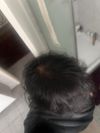
Adequate nourishment and hormone replenishment helped with hair regrowth. Vegamour and Novo blends hair vitamins were also used but likely not effective alone.
Lichen Planopilaris (LPP), a form of permanent hair loss, which can be mistaken for seborrheic dermatitis and is characterized by scalp itching, burning, redness, and dandruff. Treatment options discussed include steroidal creams, finasteride, minoxidil, and RU58841.
A person suspects their friend had a hair transplant instead of stem-cell injections due to a noticeably straight hairline. The discussion includes opinions on hair transplants, societal perceptions, and suggestions like using finasteride to maintain hair.
The user experienced significant hair improvement with minoxidil and finasteride but later faced shedding and diffused thinning after developing seborrheic dermatitis. They are seeking advice after trying treatments like ketoconazole, coal tar shampoos, fluconazole, and hydrocortisone cream.
The conversation humorously discusses various hair loss treatments and options, including Minoxidil, finasteride, RU58841, biotin, ketoconazole, saw palmetto, dutasteride, and nutrition. It also mentions hair extensions and hairstyling as methods to achieve desired hairstyles.
The conversation discusses various absurd theories about the causes of male pattern baldness, with some users suggesting treatments like oral dutasteride. It highlights misinformation and humorous myths, such as hair loss being linked to testosterone levels or masturbation.
Some actors are believed to use treatments like finasteride, minoxidil, or hair transplants to maintain their hair, while others are thought to have naturally good genetics. Opinions vary on whether celebrities like Brad Pitt have natural hair or use enhancements.
An 80-year-old man and his 99-year-old father have more hair than many younger people, sparking discussions about hair loss and genetics. The suggested treatment for maintaining hair is simply eating oysters.
A user on dutasteride for hair loss noticed hair regrowth on their head but a significant reduction in body hair growth. They plan to switch to finasteride and dutasteride and are considering testosterone replacement therapy but are concerned about its effects on hair growth.
A user with seborrheic dermatitis is experiencing bald spots and hair thinning despite changing their diet and taking oral minoxidil. Another user suggests using ketoconazole shampoo properly, using a scalp massager, applying rosemary/peppermint oil, keeping hair short, and taking fish oil to improve scalp health.
The user is discussing hair regrowth after 3.5 months of using finasteride, questioning if the new growth is baby hairs. They compare photos from December to the present to assess progress.
Tea tree oil shampoo resolved redness, itching, and increased hair thickness for the user, suggesting demodex mites as a possible cause. Nizoral was ineffective, but tea tree oil showed significant improvement over several months.
A 25-year-old is experiencing hair loss since 2022, possibly linked to post-COVID effects, and is hesitant to use minoxidil or finasteride due to side effects. They have tried shampoos, vitamins, and scalp massages with limited success and are seeking natural solutions.
The user shared a 6-month update on their hair loss treatment, using finasteride/minoxidil gel, ketoconazole shampoo, thickening shampoo and conditioner, and topical minoxidil. They wash their hair three times a week and switched to a less oily topical foam. Other users commented on their hairstyle, advising against it to prevent traction alopecia.
Ketoconazole is discussed as a treatment for hair loss, with mixed reviews on its effectiveness and side effects. Some users find it helpful for scalp conditions, while others report it makes hair feel dry and doesn't aid regrowth.
A 24-year-old is struggling with severe depression and anxiety due to hair loss, despite using dutasteride and oral minoxidil for two years. They are advised to consider shaving their head, exploring wigs or hair systems, and focusing on other aspects of life like health, relationships, and career.
Vitamin D deficiency might cause hair loss at the temples. The user has a vitamin D level of 9ng and is experiencing hair loss in that area, resembling a Norwood scale 1 (NW1) pattern.
A 20-year-old male has been experiencing hair loss since age 16 and has tried various treatments including topical minoxidil, topical and oral finasteride, and oral dutasteride with minoxidil, but has not seen significant improvement. He is currently using 1.5mg dutasteride and 5mg oral minoxidil daily, along with derma penning, and is seeking advice on regrowing hair to avoid using hair fibers.
A user experienced significant swelling after a hair and beard transplant, possibly due to an allergic reaction or improper post-surgery care. Despite dissatisfaction with the clinic's handling of grafts and customer service, the user appreciates the clinic's skill in achieving natural hairline density.
Scientists have successfully grown functional hair follicles in the lab, marking a significant advancement in hair regeneration research. A user shared their personal experience with hair loss treatments, including Minoxidil and Finasteride, and plans to share a detailed protocol for hair restoration.
The conversation discusses various factors affecting hair loss, not just DHT, and mentions treatments like Minoxidil, finasteride, and melatonin. Some users report personal experiences with these treatments and hormone tests, while others speculate on the role of hormones like prolactin and cortisol in hair loss.
The conversation discusses the potential interest in non-natural colored wigs and the challenges of finding affordable, realistic wigs, especially for those experiencing hair loss. It also touches on the idea of restoring old human hair to make wigs more accessible and affordable.
The user noticed increased hair loss over the past three years and is seeking advice. A suggestion was made to consult a dermatologist or trichologist and consider blood tests, particularly for vitamin D levels, to address potential androgenetic alopecia (AGA).
Scientists discovered a new T cell treatment that could regrow hair. Users are skeptical but hopeful, with some relying on finasteride and minoxidil in the meantime.
Poor sleep quality may affect hair growth cycles by disrupting the body's natural clock and stress hormones. The focus should be on improving sleep to support overall health, including hair growth, rather than relying solely on treatments like Minoxidil, finasteride, or RU58841.
A potential non-invasive topical treatment targeting the WNT Signaling Pathway for hair regeneration is being researched, with positive results on human hair follicle cells. Current effective treatments for hair loss include Minoxidil, finasteride, and hair transplantation.
The user is experiencing hair thinning at the crown and midscalp and is seeking advice. They are considering treatments like Minoxidil, finasteride, and RU58841.
A 19-year-old is unsure if their hair is receding or just maturing and is seeking opinions before starting treatments like Minoxidil, finasteride, or RU58841. They shared recent and past photos to compare changes over a few months.
Hair loss treatments like finasteride and dutasteride are discussed, with concerns about side effects such as depression and brain fog. Some users argue about the necessity and impact of DHT on libido and other bodily functions.
High sugar diets may worsen hair loss by increasing 5α-reductase activity and androgen levels, especially in women with PCOS. A low sugar diet might reduce scalp DHT levels, similar to finasteride, but genetics also significantly influence hair loss.