Potential side effects of 5AR inhibitors like finasteride and dutasteride. Users debate risks, benefits, and personal experiences with these hair loss treatments.
Finasteride was intentionally developed to treat BPH and later approved for male pattern baldness (MPB) due to its 5AR inhibition effects. The delay in MPB approval was due to concerns about off-label use for female hirsutism and the prioritization of treating a more debilitating condition.
Hair loss sufferers becoming hyper aware of shedding, and the various treatments available for reducing shedding. The conversation also discussed differentiating between shedding and balding, as well as the potential side effects from using certain treatments.
The user experienced significant hair thickening after using topical minoxidil and oral finasteride for about 5 months and is considering switching from finasteride to RU58841. Other users encourage the original poster to continue the current treatment due to the positive results.
Embracing the decision to buzz one's hair due to dealing with hair loss, and discussing various treatments such as finasteride, minoxidil, and rogaine. People have shared supportive comments and advice on how to style a bald head.
27-year-old female experiences aggressive hair thinning and hirsutism despite normal testosterone levels. Spironolactone and 2% minoxidil were ineffective; high DHEA sulfate levels may be the cause.
A user on finasteride for 7+ months shared bloodwork results, questioning if high DHT levels and testosterone could affect cholesterol. Replies suggest consulting a doctor and question the high testosterone levels.
The user switched from finasteride to dutasteride for hair loss and noticed elevated cholesterol levels, questioning if dutasteride caused this change. They also take Vitamin D, biotin, magnesium, ginkgo biloba, omega-3, and NAC, and are concerned about the impact of these supplements and their health on cholesterol levels.
A user shared their experience with high cholesterol, glucose, and potential metabolic syndrome after using Finasteride and Dutasteride for hair loss. They plan to improve their health with diet and exercise before considering medication.
Men with early male pattern baldness (MPB) may have hormonal abnormalities similar to those in women with PCOS. Specific treatments mentioned include Minoxidil, Finasteride, and RU58841.
A 22-year-old male with high estrogen levels is considering finasteride for hair loss but is concerned about potential side effects due to his hormone levels and family history of diabetes. Users suggest consulting a doctor, possibly an endocrinologist, and considering lifestyle changes like diet and exercise to address visceral fat and insulin resistance before starting treatment.
The user is concerned about high LH and estradiol levels after using finasteride but reports no side effects. They are seeking advice on whether these levels are concerning despite feeling fine.
A 20-year-old male is unsure how to interpret his bloodwork results and whether he should take finasteride for hair loss. His bloodwork shows borderline high levels of albumin and testosterone, and high progesterone, but normal levels of other hormones.
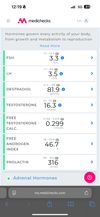
The conversation is about someone planning to start finasteride for hair loss and wanting to interpret pre-treatment blood panels to assess the risk of side effects like gynecomastia. They list various tests to measure hormone levels and other health indicators.
The user plans to test for DHT, total testosterone, free testosterone, E2, SHBG, and prolactin while supplementing with vitamin D and monitoring ferritin levels. They are experiencing hairline thinning and are seeking advice on whether their approach is excessive or lacking.
The user is concerned about high DHT levels despite using finasteride and dutasteride for hair loss, suggesting these treatments may not be effective. They plan to consult an endocrinologist and consider other antiandrogens, acknowledging potential side effects.
The user is concerned about high prolactin levels and low testosterone levels after stopping finasteride for three weeks. They are considering resuming finasteride but are worried it might further increase prolactin levels.
Dutasteride may affect testosterone levels, leading to high ferritin and iron levels, which can cause hair loss. High ferritin might be linked to past heavy drinking or hemochromatosis.
The user is experiencing low libido and mood swings after starting a low dose of topical finasteride. They are considering further blood tests to investigate low testosterone levels and other hormonal factors.
A user experienced a "watery belly" and cellulite after starting finasteride, despite maintaining a disciplined fitness routine. Others suggest checking hormone levels, as changes in DHT and estrogen could affect fat metabolism, but age might also be a factor.
The user is experiencing severe hair loss due to gut malabsorption and is seeking advice on nutrient testing and supplementation. They have low Vitamin D and Ferritin levels and are asking for recommendations on additional nutrients and blood tests to consider.
Finasteride reduces DHT production, so blood tests can track hormonal changes. Pyrilutamide blocks androgen receptors without altering hormone levels, making blood tests less useful for detecting its effects.
A 22-year-old male started taking finasteride a month ago and is seeing some progress in hair loss treatment. He is concerned about high estradiol levels but plans to continue the medication and consult an endocrinologist.
A user shared their pre-finasteride lab results, including DHT, estradiol, testosterone, SHBG, prolactin, FSH, and LH levels. Another user responded, cautioning against making unsupported claims about side effects and recovery.
The conversation discusses hair loss and bloodwork results, focusing on zinc, vitamin D, and ferritin levels. The user is experiencing telogen effluvium after surgery and seeks advice on supplementation.
A 30-year-old male using finasteride for hair loss has high testosterone and estrogen levels but no side effects. He is advised to monitor hormone levels, consider dietary changes, and use additional treatments like vitamin D3, minoxidil, and dutasteride for hair growth.
An 18-year-old male with hair loss is considering starting finasteride but is concerned about potential side effects like gynecomastia due to his prolactin levels. He seeks guidance on whether his bloodwork indicates it's safe to begin treatment.
A 22-year-old with high estradiol levels is considering starting finasteride for hair loss. They have an upcoming endocrinologist appointment to discuss whether they should proceed with the treatment.