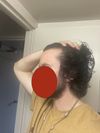
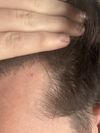
User tried dutasteride, topical finasteride, oral minox, dermawounding, saw palmetto, pumpkin seed oil, and ketacozonole for hair loss. Improvement was temporary, now trying RU58841 and seeking help.
The user is struggling with seborrheic dermatitis and plans to try ciclopirox olamine after finding ketoconazole too drying. They are also using finasteride daily.
Derma-stamping can damage the scalp if done incorrectly; use 0.5-1.5 mm needles and avoid pressing too hard. It can enhance Minoxidil absorption when done weekly, with results visible in 3 to 6 months.
Microneedling for hair loss causes some bleeding, which is normal. Dermapen is recommended over dermaroller to prevent tissue tearing and adjust depth.
The conversation discusses the severe shedding caused by Minoxidil, with users sharing their experiences and outcomes. Some report eventual regrowth, while others see no improvement or worsening hair loss.
Switching from finasteride and topical minoxidil to dutasteride and oral minoxidil caused a major hair shed, exacerbated by moving stress. Dutasteride may take months to fully integrate, and adding finasteride might help with hair protection during this transition.
Switching from liquid to foam minoxidil may cause mild shedding, possibly due to differences in absorption. Returning to the original liquid formulation typically stabilizes shedding within a few weeks.
Minoxidil can cause itching, pimples, and shedding, and starting spironolactone or finasteride may also lead to shedding. Topical CBD oil with MCT is suggested to reduce inflammation, and overlapping shedding might occur but doesn't necessarily increase each other's effects.
Dutasteride and oral minoxidil are not yielding noticeable results for some users, with some considering alternatives like microneedling or hair transplants. Others report slowed hair loss but no regrowth, and some experience side effects or minimal improvement, leading to frustration and consideration of different treatments.
The conversation discusses using high molecular weight hyaluronic acid after microneedling to form a protective barrier, though it's considered expensive and offers marginal improvement. Users share experiences with different microneedling tools like derma rollers, dermastamps, and Dr. Pen, with some opting not to use any products on the scalp.
The user stopped oral treatments due to side effects and switched to a regimen of topical minoxidil, tretinoin, azelaic acid, and dermaneedling, with recent addition of topical finasteride. They are questioning the long-term effectiveness of non-hormonal methods and considering hair transplantation.
OP struggles with scalp flakes causing hair loss and has tried Selsun Blue, Ketoconazole, and ZPT Shampoo without success. Suggestions include using salicylic acid shampoo, shaving the head, using Nizoral, and combining treatments like Minoxidil and finasteride.
Sulfur soap may help with hair thickening and reducing scalp inflammation, but it can cause dryness. Nizoral, containing ketoconazole, is noted for its potential to reduce seborrheic dermatitis but may also cause scalp dryness and hair loss.
Breezula (clascoterone) initially performed better than finasteride for hair loss but then effectiveness decreased almost back to baseline after 6 months, raising questions about its strength.
The conversation discusses whether oily scalp and sebum can hinder the absorption of topical hair loss treatments like Minoxidil and Finasteride, even when using tretinoin. The user is skeptical about the effectiveness of these treatments due to their oily scalp condition.
The user has been using oral dutasteride and topical minoxidil for 8 years, added oral minoxidil 6 months ago, but continues to experience hair thinning despite reduced shedding. They are considering checking iron levels, switching medication brands, and exploring other treatments like RU58841.
The conversation discusses hair loss treatments, specifically using Minoxidil, finasteride, and RU58841. Users suggest simplifying the application routine and question the absence of dutasteride.
The user experienced increased hair shedding after using RU58841 for two months, but found relief from scalp itchiness. Other users shared similar shedding experiences and discussed side effects like joint pain, while also mentioning the use of finasteride and minoxidil.
The user has been using topical finasteride and minoxidil for a month to address hair thinning. They are experiencing shedding but have noticed small hairs on their temples.
The user is struggling with the daily application of topical treatments like Minoxidil and melatonin for hair loss, concerned about the impact on hair cleanliness and texture. They are unsure how to manage the routine without washing their hair daily, which dries it out.
The user stopped oral minoxidil due to side effects and is now using dutasteride mesotherapy and plans to start oral dutasteride. They are concerned about potential hair shedding and wonder if dutasteride alone will be effective.
A person using Minoxidil, Finasteride, Microneedling, and recently added Tretinoin is experiencing heavy shedding and thinning hair. They suspect Tretinoin has made them respond to Minoxidil and are seeking others with similar experiences.
The conversation is about a user's hair loss treatment progress using a routine of Avodart (Dutasteride), oral and topical Minoxidil, Ketoconazole shampoo, and microneedling. The user reports no side effects and shows improvement after resuming consistent treatment.
A 25-year-old male using Dutasteride, oral Minoxidil, and Ketoconazole shampoo is experiencing increased hair shedding and vellus hair growth along the hairline. Concerns are raised about whether this is a seasonal shed or a potential setback.
The user is managing hair loss with oral finasteride, recently switching to dutasteride, and topical minoxidil, but faces challenges due to seborrheic dermatitis. They seek advice on effective regrowth methods that don't worsen their condition, with suggestions including various shampoos like Vichy Dercos and ketoconazole.
How diffuse unpatterned alopecia (DUPA) is not an invitation to self-diagnose oneself with aggressive AGA and that seeking a specialized dermatologist may help people experiencing hair loss. Treatment options discussed include topical clobetasol propionate, oral minoxidil, and discontinuing finasteride.
The user uses a 1.5mm derma stamp weekly for hair loss and applies minoxidil afterward, feeling a slight burn but no bleeding. They question if bleeding, seen in others using a derma pen, indicates proper technique.
Dutasteride can cause hair shedding, which may start around the fourth month of treatment. The user is concerned about whether this shedding is due to the medication or the progression of hair loss.