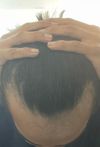
User experienced hair growth after 6 months using microneedling, minoxidil, ketoconazole, and biotin. Commenters suggest adding finasteride to treatment for better results and preventing further hair loss.
Female with aga tried minoxidil 5% and spironolactone, no success yet. Gladyator96 suggests waiting 6 months, adding tretinoin or dermarolling with minoxidil.
The effectiveness of Dutasteride compared to Finasteride in treating hair loss, with evidence given such as studies and experiences, as well as discussion around whether one should switch from Finasteride to Dutasteride. There is also a discussion on post-Dutasteride syndrome.
A 32-year-old male with Norwood 3 and heavy diffuse thinning is starting a hair loss treatment including RU58841, Minoxidil, finasteride, derma rolling, vitamins, and possibly MK677, while cutting out most sugars from his diet. He plans to share progress photos and updates on his test levels.
Topical minoxidil being a difficult product to apply, with users considering finasteride, RU58841, and oral minoxidil as alternative treatments for diffuse thinning hair. Other advice includes shaving the head in the first 3 months of using minoxidil and finding ways to apply it without saturating the hair.
The conversation discusses the potential offering of oral finasteride/dutasteride and oral minoxidil treatments for hair loss, with feedback on pricing and preferences for separate or combined pills. Users express concerns about high costs, preferring affordable options, and some prefer oral over sublingual minoxidil for ease of use.
A new Latanoprost-based formula used by Hollywood celebrities to treat hair loss, with the formula containing minoxidil, tretinoin, melatonin, azelaic acid, zinc thymulin, vitamin B6, sandalore and methyl vanillate. It also mentions the potential of offering a combined sublingual minoxidil/oral dutasteride option in the future.
The user reports the best results for hairline regrowth using 3 drops of minoxidil under the tongue once daily, after trying various treatments including loniten, topical minoxidil with estrogen, dutasteride, and finasteride. Additional regimen includes occasional tretinoin, collagen peptides, crude oil massages, violet ray device, nizoral, and Listerine for scalp health.
A dermatologist advised stopping dutasteride after six months and switching from whey to pea protein, but users disagreed, citing no evidence linking whey to hair loss. The original poster plans to continue dutasteride for six months and switch to pea protein for peace of mind.
Hair loss treatments, specifically about the effectiveness of RU58841 compared to Pyrilutamide. Molecular weights and side effects were discussed in terms of efficacy and cost-effectiveness.
Two different experiences of using Pyrilutamide, a hair loss treatment, which caused headaches that took around a week to subside in both cases. Other users offered insight into their own experiences with the treatment or suggested alternate treatments such as RU58841 and Minoxidil.
A user visited a dermatologist for hair loss and was prescribed Minoxidil without a physical examination, leading to skepticism about the thoroughness of the appointment. The user is considering seeking a second opinion due to the lack of tests or physical checks.
Switching from oral to topical dutasteride may reduce side effects like anxiety and depression while maintaining hair health. Combining it with minoxidil, Nizoral, and dermarolling could be effective for hair preservation.
A user's 11-month experience of using Minoxidil and finasteride to treat hair loss, which the user believes has been successful. Other users offered advice on additional treatments such as dermarolling or shaving the head.
The user uses finasteride, minoxidil, Nizoral, and dermarolling along with various supplements, oils, and shampoos to combat hair loss. They adjusted their routine based on feedback, changing dermarolling to once a week and reducing zinc intake due to side effects.
The post discusses microdosing finasteride to minimize side effects while treating hair loss. The user also mentions using minoxidil, biotin, and ketoconazole.
PP405 is the most promising future treatment for hair loss, aiming to reactivate dormant hair follicles. Clascoterone 5% is the most promising near-term drug, while current strategies include using finasteride or dutasteride to stabilize hair loss and minoxidil to stimulate growth.
The user discovered their previous hair loss medication was counterfeit and switched to Propecia, which significantly lowered their DHT levels. They plan to continue using Propecia and add oral Minoxidil to their routine for better results.
Using spirulina and chlorella to boost ferritin and iron levels reduced hair shedding by more than half in a month. The user found these natural supplements more effective than regular iron tablets for hair growth.
A 19-year-old male experiencing hair loss is seeking advice on managing it without sexual side effects. He has used topical minoxidil and finasteride but experienced side effects, and is considering lifestyle changes to help slow hair loss.
The conversation discusses hair loss treatments, focusing on the use of peptides, injections, and topical applications like Minoxidil foam. Users debate the effectiveness of different methods, with some advocating for injections and others supporting topical treatments.
The user experienced initial success with topical finasteride 0.025% and melatonin but noticed rapid hair thinning after three months. They are considering switching to a higher dose of topical finasteride or oral finasteride, as advised by others, while being cautious about potential side effects.
Microneedling can help with hair loss by inducing collagen if done correctly, but improper technique may cause scarring and worsen the condition. Some users apply dissolved vitamin C before and after microneedling to enhance results.
A 30-year-old man shared his positive experience with hair regrowth using Regenera Activ, topical Dutasteride, Minoxidil, and PRP over 12 weeks. He plans to continue with injectable Dutasteride and emphasizes the importance of starting treatment early to combat hair loss.
Users discussed their experiences with hair loss treatments, primarily finasteride (Fin) and dutasteride (Dut), often combined with minoxidil (Min) and derma rolling. Many reported mixed results, with some seeing slowed hair loss and others experiencing side effects or minimal improvement.
Minoxidil is more effective when combined with retinoic acid, such as tretinoin or tazarotene, enhancing hair growth. Some users experience significant regrowth, while others see minimal effects or side effects.
PP405 shows initial promise for treating androgenetic alopecia, with safety confirmed in early trials, but skepticism remains due to limited data. Further trials are needed to determine its true efficacy and potential market impact.