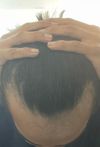
A 26-year-old male shared progress pictures after 4 months of treating hair loss with finasteride (1.25 mg on Mondays, Wednesdays, and Fridays), topical minoxidil twice daily, ketoconazole shampoo twice weekly, and weekly microneedling at 1.5 mm. He is seeing hair growth improvement, especially in the front, and is considering hair grafts for the crown area if necessary for more density.
The post and conversation discuss different methods of applying hair loss treatments directly to the scalp. The original poster suggests using a 1ml TB Syringe & Ophthalmic Cannula for precise application, while others share their own methods, including sprays, droppers, and simple syringes.
User seeks treatment to increase minoxidil efficacy. Suggestions include microneedling, oral minoxidil, and Tretinoin, with mixed experiences and side effects.
A 26 year old female dealing with hair loss who is considering treatments such as Spiro, minoxidil and finasteride. Other potential solutions mentioned are PRP treatment, a wig, and bio-identical estrogen combined with bica.
People discussed using vitamin D supplements for hair loss, with some also using steroid injections, pumpkin seed oil, saw palmetto, and zinc. Despite supplementation, one user noted no improvement in hair condition, but acknowledged the general health benefits of addressing vitamin D deficiency.
A user shared their 115-day progress in treating hair loss using 5% Minoxidil, topical Finasteride, biotin, microneedling, and collagen peptides. They reported visible improvement and no side effects from topical Finasteride, unlike the oral form.
A user shared their successful hair regrowth routine, which includes finasteride, derma rolling, minoxidil (Rogaine), biotin pills, and vitamin D supplementation, and saw noticeable results in 3 months. They suggest this routine as a variation of the "Big 3" hair loss treatments and have created a website to sell the products they used.
A 19-year-old male experiencing hair loss is seeking advice on managing it without sexual side effects. He has used topical minoxidil and finasteride but experienced side effects, and is considering lifestyle changes to help slow hair loss.
The user reported positive hair regrowth after 5 months using Minoxidil, red light therapy, and lifestyle changes, including dietary improvements and stress reduction. They chose natural supplements like saw palmetto and beta-sitosterol over pharmaceutical DHT inhibitors like finasteride.
Oral minoxidil can boost hair growth but may cause side effects like heart palpitations and increased body hair. Many prefer topical minoxidil due to fewer side effects.
The user is using a combination of hair loss treatments including finasteride, stemoxydine, oral minoxidil, RU58841, dermastamping, ketoconazole shampoo, collagen, Viviscal, and biotin, and has improved their diet. Despite these efforts, they are still experiencing hair shedding and scalp itchiness, and are considering increasing their minoxidil dosage or starting dutasteride.
Fluridil may decrease the number of androgen receptors in hair follicles by up to 95%. This suggests a different action mechanism from other non-steroidal antiandrogens like RU58841, indicating they might be used together.
The user has been using finasteride for hair loss for 2-3 years, and added 5% topical minoxidil and daily 1.5mm dermarolling to their routine 50 days ago, which resulted in significant hair growth. The user recommends dermarolling along with minoxidil and finasteride for better results.
User used sublingual minoxidil for 5 months and saw progress. Also used topical dutasteride, alfatradiol, tretinoin, and reduced oral finasteride dose.
Oral finasteride is recommended over topical finasteride for men in the Indian subcontinent, with no reported side effects. Minoxidil and dermarolling are also suggested, while dietary supplements and topical finasteride are deemed less effective.
Finasteride and minoxidil have helped maintain hair density and possibly improved coverage, though results vary and regrowth can take time. Some suggest trying dutasteride and oral minoxidil for more significant regrowth.
The conversation is about a user's three-year progress in reversing hair loss using daily Dutasteride 0.5 mg and topical Minoxidil, with no side effects. The user emphasizes patience, as significant results were noticed after one year, despite a strong family history of early baldness.
A 20-year-old male has been experiencing hair loss since age 16 and has tried various treatments including topical minoxidil, topical and oral finasteride, and oral dutasteride with minoxidil, but has not seen significant improvement. He is currently using 1.5mg dutasteride and 5mg oral minoxidil daily, along with derma penning, and is seeking advice on regrowing hair to avoid using hair fibers.
Hair cloning and new treatments like ET-02, Veradermics (vdphl01), and wound-induced hair neogenesis show promise but are not yet widely available. Current effective treatments include minoxidil, finasteride, and dutasteride, with early intervention being crucial for better outcomes.
Oral minoxidil is more effective than topical minoxidil for hair regrowth but may cause side effects like heart issues and increased body hair. Combining it with finasteride is common for better results, though side effects vary.
A user shared their hair regrowth progress using oral finasteride, biotin, topical minoxidil, and DS thickening shampoo over five months, reporting significant improvements in hair texture and growth. They experienced minor side effects like a slight headache from switching minoxidil forms but noted no issues with finasteride.
Microneedling, especially when combined with minoxidil, is generally considered effective for hair regrowth, though results vary by individual. Some users report enhanced results, while others caution about potential scarring and recommend professional guidance.
A user shared their 3-month progress using topical Minoxidil 5% and oral Finasteride 1mg daily, along with ketoconazole shampoo and derma stamping, reporting significant hair growth without side effects. Some users doubted the results, while others discussed potential side effects of Finasteride and alternative treatments.
A 20-year-old male using 1mg finasteride daily and 5% minoxidil twice a day for two months reported significant hair regrowth with no side effects. Users discussed the effectiveness of these treatments, the importance of consulting a doctor, and the potential for continued improvement over time.
The user experienced significant hair regrowth using 1mg oral finasteride, DIM, and beetroot powder, while also focusing on gut health and reducing alcohol intake. Other users discussed the importance of iodine, fermented foods, and maintaining a balanced diet for overall health and hair improvement.
The user increased their dutasteride dose from 0.5mg to 3mg daily to address hair thinning, noticing a change in shedding patterns and possibly thicker hair. Other users discuss the effectiveness of different dutasteride doses on DHT levels and suggest staying consistent with the treatment.
A homemade topical solution of finasteride and minoxidil effectively stopped hair shedding and promoted regrowth without side effects. Users shared experiences and discussed different concentrations and application methods.
A 43-year-old with a history of hair transplants and long-term finasteride use reports seeing hair regrowth after adding oral minoxidil, micro-needling, and resuming topical minoxidil. Users agree that the hair appears thicker and denser.
The user shared progress after four months of using a topical treatment with 0.3% finasteride and 6% minoxidil from Hims, noting positive results and considering switching to oral medication for convenience. Other users discussed the effectiveness of minoxidil and finasteride, emphasizing that first-time users often see the best results, and shared personal experiences with hair regrowth and maintenance.