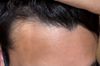
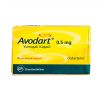
Alexander Skarsgard likely uses finasteride to maintain his hair, as many Hollywood actors do. Some suggest he might have had a hair transplant or naturally maintains a mature hairline.
Clascoterone 5% solution is not yet commercially available, with only the 1% solution currently sold for acne. Users discuss the potential of Clascoterone as a hair loss treatment, comparing it to other anti-androgens like RU58841 and Eucapil.
Using PP405 and Clascoterone after a hair transplant may not cause issues if the transplant didn't achieve native density, but could lead to competition for blood supply if it did. Some users suggest waiting for these drugs to be available, as they might not significantly impact blood supply or regrowth.
Hot weather can increase hair shedding, possibly due to dehydration and active sebaceous glands. Using shampoos with salicylic acid or zinc pyrithione may help; daily anti-inflammatory use is not recommended.
Clascoterone 5% solution showed a 539% improvement in hair count compared to placebo, but the actual increase in hair growth is minimal. Users express skepticism about the effectiveness of hair loss treatments.
A dermatologist advised against using minoxidil and finasteride for hair loss, suggesting acceptance instead, but the individual is considering seeking finasteride from a family doctor. The conversation includes suggestions to try online services or pharmacies for obtaining treatments like finasteride, minoxidil, and ketoconazole shampoo.
Pumpkin seed oil is not a substitute for minoxidil; it acts more like finasteride as a DHT blocker. Minoxidil is necessary for hair growth, and combining it with treatments like PRP or saw palmetto may be beneficial.
George Clooney likely had a hair transplant, as many Hollywood actors do to maintain their appearance. Treatments like finasteride and hair transplants are common among celebrities to combat hair loss.
A 32-year-old male is considering options to soften a dense transplanted hairline after experiencing accelerated hair loss and intolerance to finasteride and dutasteride, while using minoxidil. He is exploring partial electrolysis or laser treatments to achieve a natural look with a short buzz cut, avoiding a second transplant or scalp micropigmentation.
Rubbing coffee into hair may strengthen it and slow hair loss, according to one user. Other users discuss using caffeine topically, with some combining it with treatments like finasteride, minoxidil, and dermastamping for hair growth.
Oral minoxidil may cause temporary facial puffiness, leading to a perception of accelerated aging, but it doesn't cause actual aging. Concerns about hair loss and treatments like minoxidil and finasteride are discussed, with suggestions to use tretinoin and sunscreen to mitigate potential side effects.
An 18-year-old noticed hairline retreat at 17.5 and is seeking advice on whether to accept baldness or try treatments like Minoxidil, finasteride, or RU58841. They are concerned about safety and effectiveness at their age.
A user shared their hair loss journey from age 15 to 23, achieving results with finasteride 1mg, oral minoxidil 5mg, and a hair transplant. The conversation includes discussions on the effectiveness of these treatments and questions about the hair transplant process.
Hair transplant success largely depends on individual biology, with many patients needing multiple procedures to achieve satisfactory density. Even top surgeons can't guarantee results, and many people use additional treatments like Minoxidil and Finasteride.
The user underwent a second hair transplant for the crown and mid-scalp, achieving good density. They are using minoxidil, finasteride, and biotin, and considering PRP treatments to enhance growth.
The conversation discusses skepticism about a user's hair restoration progress, with accusations of the post being fake and promoting an AI app. Treatments mentioned include dutasteride and oral minoxidil, with some users discussing side effects and safety of minoxidil.
The user is concerned about using dutasteride for potential hair loss, fearing it might accelerate balding if not effective. They are unsure about the doctor's diagnosis and are considering starting with finasteride instead.
PP405 is a potential hair loss treatment that inhibits mitochondrial pyruvate carriers, increasing lactate dehydrogenase activity and stimulating hair follicle stem cells. In a phase 1 trial, 31% of participants showed over 20% hair density increase with PP405 treatment.
Temporal peaks are crucial for a natural-looking hair transplant, but they are challenging to achieve due to the need for precise angles and appropriate hair thickness. Many users emphasize the importance of finding a skilled surgeon and using finasteride to maintain hairline stability.
Breezula, a potential hair loss treatment, is still in trials with no recent updates on its release, while its acne version, Winlevi, is available but expensive. Users discuss the high cost of hair loss treatments and alternatives like Minoxidil and topical Finasteride.
Winlevi (clascoterone), a DHT blocker, is being considered for hair loss treatment, though it's primarily an acne medication. Users discuss its potential effectiveness and note it may only work for a short time.
The conversation is about hair loss anxiety and treatments like Minoxidil and finasteride. Users discuss self-acceptance, relationship support, and alternatives like shaving or learning to cut hair at home.
The user is considering starting dutasteride (DUT) 0.5mg for hair loss due to lack of access to finasteride and is concerned about potential side effects. They seek guidance on whether to begin this treatment.
Microneedling for hair loss, discussing whether to continue after achieving desired results. Concerns about scalp inflammation and advice to research further are mentioned.
The user is considering using Ruderma to maintain hair and is concerned about potential hair loss acceleration due to starting TRT. They are also inquiring about the use of minoxidil, RU58841, and a derma roller for hair maintenance.
Finasteride and minoxidil are recommended for hair loss treatment, with stress-reducing activities like meditation and yoga suggested to enhance results. Dutasteride is avoided by some due to concerns, and mental health is emphasized as crucial in the treatment process.
Creatine does not cause hair loss, but it may accelerate hair loss in those predisposed to male pattern baldness. Finasteride users report mixed experiences with creatine, with some noticing no change and others experiencing increased shedding.
Creatine does not cause hair loss, but it may accelerate it in those predisposed to male pattern baldness. The study suggests that creatine does not affect DHT or hair loss, but individual reactions may vary.
Finasteride and Dutasteride are under review in the EU due to concerns about side effects like depression, but they are unlikely to be banned. Access to these medications varies, with easier availability in the UK compared to some EU countries.
The conversation discusses the use of topical minoxidil for hair loss and the potential benefits of taking a Minoxidil Response Test to determine enzyme activity related to its effectiveness. Some users have considered or tried alternatives like oral minoxidil or tretinoin, with mixed experiences regarding side effects and effectiveness.