Search
for
Sort by
Community Join
630-660 / 1000+ resultscommunity Where are we with GT20029 ? Realistic Timeline ?
GT20029 is anticipated to start phase III trials in Q3 2026, with potential public availability around 2029-2030.
community Peeps who arent able to get gains even after using fda approved meds
Some people don't see results with FDA-approved hair loss treatments like finasteride or minoxidil due to underlying issues. The video suggests addressing these issues, especially if there are atypical symptoms or other health conditions.
community Fuzzy hair growth with procapil??
The user experienced temporary peach fuzz growth using a product with procapil and later tried minoxidil and finasteride without significant results. Their boyfriend has used minoxidil and finasteride consistently for over five years with sparse hair improvement.
community Pp405 - it has to work. It has to.
Hair loss treatments, including PP405, minoxidil, finasteride, and RU58841, with hopes for future solutions. Participants discuss the emotional impact of hair loss and consider alternatives like hair transplants or acceptance.
community 8 months of hair / scalp regrowth
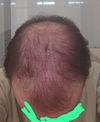
community From almost 0 to ?: A journey through hair regrowth - big 4
The user is using a hair regrowth treatment plan that includes finasteride, microneedling, minoxidil foam, ketoconazole shampoo, and piroctone olamine shampoo. They are seeking advice on the effectiveness of their regimen and dosage of finasteride, and are curious about others' experiences with piroctone olamine.
community Is DHT actually the cause of male pattern hair loss or just a correlating factor? Why I think the research is more complicated than we're told and why I've been looking into GHK-Cu
DHT is not the only cause of male pattern hair loss; genetic sensitivity, inflammation, and fibrosis also contribute. GHK-Cu, a copper peptide, is being explored as an alternative treatment to finasteride and minoxidil, showing potential in improving follicle health.
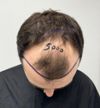
community 4-Month Hair Transplant Progress: 5120 Grafts with Dr. Ahmet Yildirim
A user shared impressive progress at 4 months post-hair transplant with 5120 grafts by Dr. Ahmet Yildirim in Istanbul. The user expressed satisfaction with the results, which exceeded expectations.
community Fighting Fin!
Datwagg63 started taking finasteride for hair loss and supplements it with omega 3, vitamins, and a low-carb diet while lifting weights. InternationalBerry suggested adding minoxidil, as it's considered the second most effective treatment after finasteride.
community 1 yr 4 months update with topical finasteride then FUE transplant
User tried topical finasteride mixed with minoxidil, Nizoral shampoo, oral minoxidil, and FUE hair transplant for hair loss. User asks when it's safe to trim hair after transplant and considers trying RU58841 or pyrilutamide.
community Any experience in GHK-CU and AHK-CU serum
The conversation discusses making a GHK-CU and AHK-CU serum for hair loss. A user shared that they tried both but found them ineffective.
community AGA/male pattern baldness and loss of hair in the past 6months
A 25-year-old male experienced significant hair loss due to telogen effluvium and androgenetic alopecia. He began using finasteride, minoxidil, and vitamins, seeing some regrowth but remains worried about hair density.
community ABS-201 Trial - What should I know going in
The conversation is about a user preparing to join the ABS-201 clinical trial for hair loss treatment, which involves a prolactin inhibitor. The user plans to update others on their progress if enrolled.
community Early Hair Loss - Starting Fin (19M)
A 19-year-old experiencing early hair loss started using finasteride to address diffuse thinning, despite concerns about potential side effects. They also use T/Gel and OGX Thick and Full shampoo, and have a dermatologist appointment scheduled to explore possible allergies.
community My experience: pre-existing gyno and finasteride
community legit source for RU58841 in Germany?
The conversation is about finding a legitimate source for RU58841 in Germany, with suggestions including Receptorchem and GeneTherica. Anageninc and Chemyo do not deliver to Germany.
community A few days on RU58841 and JXL069, are my eyes deceiving me?
The conversation discusses a hair loss treatment regimen involving minoxidil, finasteride, RU58841, JXL069, and nizoral shampoo. The user reports seeing new black dots in areas where hair hasn't grown in years, suggesting potential regrowth.
community 2 Years of Dut. Can these miniaturized hairs still recover?
community Does it work? Maneup GHK-Cu hair growth serum
The conversation is about the effectiveness of Maneup GHK-Cu hair growth serum, a topical treatment for hair loss. The user is considering trying it but is skeptical due to issues others have had with DIY injections of a similar substance.
community gt20029 any u-lab order possible?
The user is seeking alternative hair loss treatments due to side effects from finasteride and minoxidil. They are inquiring about the availability of gt20029 from u-lab.
community If all these vellus hairs turn terminal I’m gonna be a chewbacca
The user is using minoxidil, finasteride, dermarolling, and other treatments for hair regrowth, showing promising results in the temple area. Despite some skepticism, there is optimism about potential improvement.
community Eliminating scalp itch leads to regrowth (and my RU58841 progress)
User experienced hair regrowth after eliminating scalp itch with RU58841. Others discussed itch and hair loss connection, and effectiveness of combining RU58841 with 5AR inhibitors.
community So what happened to the GT20029 phase 2 results?
The conversation is about the delay in the release of GT20029 phase 2 results by Kintor. It also mentions Minoxidil, finasteride, and RU58841 as treatments for hair loss.
community What treatment should I take? and is it really bad?
OP is experiencing significant hair loss despite GFC and PRP treatments and has abnormal lab results. They are advised to consult a hair-focused dermatologist for further evaluation.
community 6 months of hims topical fin + min and generic biotin gummies | 28 M
The conversation is about a man's six-month experience using Hims topical finasteride, minoxidil, and generic biotin gummies for hair loss. He's seen some progress but is concerned about lack of regrowth at the crown of his head.
community Anyone familiar with Dr. Behnam’s stem cell + prp treatment?
community Good luck on everybody on the fight against hair loss!
Acknowledging the struggle of hair loss, discussing treatments like finasteride, minoxidil and RU58841, and providing support to those dealing with it.
community RU58841 and some major questions?
A user is asking about the effectiveness and dosage of RU58841 for hair loss, comparing it to Minoxidil and discussing its long-term use alongside Finasteride. They plan to use RU58841 and Finasteride for several years before potentially switching to GT20029.
community What kind of hair transplant did Machine Gun Kelly undergo?
Machine Gun Kelly's hair transplant, which was a combination of FUT and FUE techniques, with Minoxidil and Finasteride also used for treatment.