Search
for
Sort by
Community Join
630-660 / 1000+ resultscommunity Request for advice, feedback...
The conversation discusses hair loss treatments for a woman experiencing androgenetic alopecia and seborrheic dermatitis, with suggestions including low-dose oral minoxidil, dutasteride, and hormone replacement therapy. The user is seeking advice due to intolerance to spironolactone and topical minoxidil, and concerns about low testosterone and DHT levels.
community Is this fin/dut/min topical compound overkill?
A user questions if a topical compound with finasteride, dutasteride, minoxidil, retinoic acid, caffeine, and triamcinolone is excessive for hair loss treatment. Another user shares their experience using topical finasteride without issues and notes that alternating finasteride and dutasteride is common.
community Topical spironolactone question
User started using topical spironolactone on scalp and face, experienced fever feeling and sluggishness. Asks if side effects are normal or systemic.
community Starting Ru 58841 today with stemoxydine as vehicle. Already on minox 2 ml/day and keto shampoo 2-3 times a week.
Hair loss discussion includes treatments like hinoki tree oil and procyanidin b2. Experiences and effectiveness of these treatments are shared.
community Pyrilutamide (KX-826) progress?
The user has been using pyrilutamide 0.5% for over 7 weeks, alongside dutasteride, and noticed some hair improvement, particularly at the temples. They plan to continue and possibly try a 1% solution, with no shedding or side effects reported.
community This got rid of my minoxidil itch
A user found relief from minoxidil-induced scalp itch by using a different product, as Nizoral dried out their scalp and worsened the condition. The conversation focuses on managing side effects of hair loss treatments.
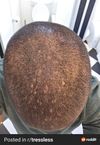
community What hair loss pattern is this?
The user noticed small circular hairless spots after a buzz cut and has been using finasteride, dutasteride, and oral minoxidil for hair loss. They are experiencing continuous shedding and thinning, and it is suggested they consult a dermatologist for a scalp examination and possible biopsy to determine if it's alopecia areata or androgenetic alopecia.
community Finasteride induced acne!? ANY suggestions pls! Zinc?
community F, 21. Sought a Dermatologist after reddit recc. Was prescribed 5% Minoxidil Foam + Spironolactone for hair loss and Kelual DS + Mometasone for Seborrheic Dermatitis. Said no to the Spiro because of pregnancy side effects. Here is my before for my scalp inflammation. I will follow up in 2 weeks. :)
Hair loss discussion involved Finasteride, Minoxidil, and RU58841. User experienced sudden shedding after 1.5 years of Finasteride and Minoxidil use, seeking advice.
community AGA/male pattern baldness and loss of hair in the past 6months
A 25-year-old male experienced significant hair loss due to telogen effluvium and androgenetic alopecia. He began using finasteride, minoxidil, and vitamins, seeing some regrowth but remains worried about hair density.
community Question about topical part of treatment
The user is using a combination of oral Dutasteride and Minoxidil, and a topical formula with Finasteride, Minoxidil, and Hydrocortisone, along with rosemary oil, coconut oil, ginseng, and a derma roller. They are also using LLLT therapy and are questioning the timing of the laser cap session in relation to the topical application.
community Saw palmetto, eucapil and micro needeling
User noticed receding temples, used minoxidil and microneedling with positive results. Added saw palmetto and eucapil, experienced shedding and thinner hairline, but no side effects.
community a new supplement just released
A dermatologist recommended a new supplement containing annurca apple, which reportedly doubles hair density and increases keratin after 60 days, to be used with finasteride. Some users are skeptical, considering it potentially ineffective or a marketing ploy, while others are open to trying it if it proves effective and affordable.
community Can males use topical spironolactone?
Topical spironolactone is considered safe for males but is not very effective for hair loss. Some users suggest trying it since it's already purchased, while others recommend alternatives like clascoterone.
community Does anybody else got their hair ruined when on tretinoin?
The user experienced hair shedding and follicle shrinkage when using retinoic acid, despite trying different concentrations and frequencies. The hair loss persisted for six months but regrew after stopping the treatment.
community [Nov 2019] The peptide AC 2 isolated from Bacillus-treated Trapa japonica fruit extract rescues DHT (dihydrotestosterone)-treated human dermal papilla cells and mediates mTORC1 signaling for autophagy and apoptosis suppression
A peptide from Japanese water chestnut fruit may help with hair loss by suppressing DHT's effect on hair follicle cell death, potentially serving as a finasteride alternative. The treatment's effectiveness and safety in humans remain uncertain.
community Diffuse thinner- 2 months progress. Oral Fin,Min, topical RU
community 32M Considering Topical Xyon or RU58841 for ED from Oral Dutasteride
A 32-year-old male experienced erectile dysfunction and decreased libido after using oral dutasteride and minoxidil for hair loss. He is considering switching to topical alternatives like Xyon dutasteride or RU58841 to reduce side effects.
community Anyone had anemia + AGA/thinning ?
OP experienced significant hair regrowth after recovering from iron deficiency anemia and starting minoxidil. They suspect anemia contributed more to their hair loss than androgenetic alopecia (AGA).
community Comeback form NW7?
A user shared their aggressive hair loss treatment regimen, which includes daily use of Avodart (dutasteride) and Minoxidil, bi-weekly use of Davines Purifying shampoo, and almost daily use of Ducray Anaphase+ shampoo, along with supplements like vitamin D3, collagen, biotin, and zinc. They also use a dermastamp every 10 days and are considering a hair transplant for increased density, followed by a switch to finasteride and Minoxidil foam.
community POST ACCUTANE HAIR LOSS- Please help and leave your experiences and suggestions
A user named Medical_Opinion8120, a 23-year-old female, is experiencing hair loss potentially due to a past accutane course. She has tried minoxidil without success and is currently taking iron and zinc supplements.
community losing transplanted hairs.....
community Strategies for Treatment Resistant Androgenic Alopecia
The conversation is about a person experiencing treatment-resistant androgenic alopecia despite using high doses of dutasteride and minoxidil, along with other treatments like microneedling and purilutamide. Suggestions include considering a hair transplant, checking medication authenticity, and exploring other treatments like RU58841 or topical estradiol.
community Topical bicalutamide vs ru58841
A user is seeking advice on making a topical bicalutamide solution as an alternative to RU58841 for hair loss, while already using dutasteride and minoxidil. They are considering crushing bicalutamide pills and adding them to their minoxidil.
community Has anyone had success treating androgenic hair loss topically?
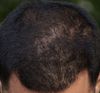
community Weird Hair Loss Pattern – Worth a Biopsy?
The user is experiencing a strange hair loss pattern despite using dutasteride for 3 years and minoxidil with tretinoin for 1.5 years. They recently added microneedling and are considering a scalp biopsy to understand the cause.
community 1 year of treating my seb derm + minoxidil + microneedling
The user treated seborrheic dermatitis and hair loss with a routine including sulfate-free tea tree oil shampoo, ketoconazole shampoo, minoxidil foam, microneedling, and supplements like Omega-3 and Vitamin-D. They experienced significant hair shedding initially but saw improvement over a year.
community Dermatologist prescribed Betamethasone dipropionate 0.05% lotion for hair loss.
A user noticed increased hair loss and was prescribed Betamethasone dipropionate 0.05% lotion by a dermatologist. Another user suggested changing doctors and asking for finasteride instead.
community Alfatradiol causing shedding ?
The user experienced a sudden decrease in hair density after starting alfatradiol while already using finasteride. Another user mentioned that initial shedding can occur with hair loss treatments, but it may not last long.