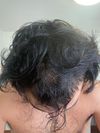
19-year-old experiencing hair loss seeks advice on treatments. Suggestions include Finasteride, Minoxidil, microneedling, hair systems, and consulting a dermatologist.
Hair loss treatments still rely heavily on minoxidil, finasteride, and RU58841, with little innovation. Future treatments like stem cell therapy and RNA technology show promise but are not yet available.
User experienced significant hair regrowth using Minoxidil and Finasteride since January 2020, with no side effects reported. Shaving head twice helped Minoxidil reach scalp more effectively.
User sees modest hair gain after 1 year on finasteride and 3 months on minoxidil. Others offer support and share experiences with hair loss treatments.
The conversation discusses the lack of significant advancements in hair loss treatments since the introduction of finasteride 22 years ago, with many expressing frustration over the failure of new projects and skepticism about future developments. Some users mention hair transplants and other potential alternatives like Alfatradiol and Fluridil, but acknowledge finasteride's dominance in the market due to its effectiveness and affordability.
A new hair loss treatment theory beyond minoxidil and finasteride is proposed, causing mixed reactions in the community, with some members eager to explore and support it, while others call for more research and evidence.
A 24 year old male struggling with the physical and mental effects of balding, being short, and having a micropenis. Suggested treatments include taking medications such as finasteride and minoxidil, lifting weights, and trying not to compare himself to others.
Finasteride is discussed for hair loss treatment, with opinions divided on its safety and effectiveness. Some consider natural remedies, but these may also affect hormones.
Finasteride may pose a risk during pregnancy, so using a condom is recommended if a partner is pregnant. It is advised to stop finasteride before trying to conceive due to potential effects on fetal development.
Hair loss treatments discussed include Propecia, Rogaine, Nizoral shampoo, and dermarolling. Users shared experiences and results, with some noticing improvements in hair growth and maintenance.
A 22-year-old was advised by their doctor to use 5% minoxidil for hair loss instead of finasteride due to age and potential side effects. Other users suggested either persisting with the doctor or finding a new one, sharing mixed experiences with finasteride.
Accepting hair loss and not taking drastic measures like shaving your head if you are only mildly balding, and encouraging people to fight it with treatments such as finasteride, minoxidil, nizoral and microneedling. Additionally, it discusses the importance of being realistic when trying to restore hair and addressing the misconception that one must look a certain way in order to be attractive.
The user has been using finasteride since September 2018, dermarolling since February 2019, and applying minoxidil once a day. Despite these treatments, they have experienced significant hair loss and are unsure if they should continue.
A user is considering tapering off finasteride due to concerns about long-term side effects and cost, and is exploring alternatives like zinc and saw palmetto. Their current regimen includes finasteride, Adderall, zinc, bupropion, fish oil, baby aspirin, Rogaine foam, and ketoconazole shampoo.
Discussing and researching different treatments for hair loss, including RU58841, Dutasteride, Spironolactone, Retin-A, Stemoxydine (Neogenic), Copper peptides, Superoxide Dismutase, NANO, and Eucapil.
The conversation is about hair loss, likely androgenetic alopecia, with recommendations to consult a doctor and consider treatments like finasteride and minoxidil. The user is advised to check for vitamin deficiencies and consider topical minoxidil and oral finasteride.
A user successfully regrew hair over 20 months using oral dutasteride and minoxidil, with no significant side effects. They are satisfied with the results but may consider a hair transplant for more density.
A person with hair loss since COVID-19 is considering treatments like finasteride and minoxidil but is hesitant due to potential side effects. Suggestions include visiting a dermatologist, using a ketoconazole shampoo, and considering that post-COVID hair loss might be an autoimmune response.
A user shared their experience with telogen effluvium triggered by a keratin treatment, leading to significant hair loss. They found improvement using aloe vera with rosemary, a protein and iron-rich diet, and patience.
The user is experiencing hair loss despite using oral dutasteride for 7 months and topical minoxidil for 3 months. They are concerned about miniaturization and question if the current minoxidil application is less effective without the previous finasteride mix.
The conversation discusses struggles with diffuse thinning and hair loss treatments, including the use of dutasteride, minoxidil, and finasteride, with limited success. The original poster regrets having a hair transplant at 21 due to weak donor hair and ongoing thinning.
The user claims NoFap (abstaining from pornography, masturbation, and orgasm) helped stop their hair loss. Others argue that hair loss is primarily due to genetics and DHT, which can be managed with finasteride.
Hair loss treatments like finasteride, dutasteride, and minoxidil can cause initial shedding as they restart the hair growth cycle, but this is not an indicator of treatment failure. The effectiveness of these treatments should be judged by cosmetic changes over time, not by daily hair loss counts.
A 20-year-old lost significant hair after one year of treatment, using minoxidil, finasteride, and later dutasteride. They are considering adding RU58841 but are advised to return to finasteride and minoxidil for a year before deciding.
A 34-year-old woman is experiencing diffuse hair loss and irregular periods, possibly due to long-term spironolactone use. She is considering minoxidil and finasteride for treatment and seeking medical advice for androgenic alopecia and hormonal imbalances.
Astaxanthin may cause increased hair shedding, affecting even transplanted hair and eyebrows. The user has tried various treatments for androgenic alopecia, including minoxidil, finasteride, and RU58841.
The user has been using topical 5% Minoxidil, 0.1% Finasteride, dermastamping, 2% ketoconazole, and a DHT-blocking shampoo with saw palmetto, caffeine, biotin, and argan oil for hair loss. Despite some baby hair growth on one side, the user is experiencing continued hairline recession and shedding, leading to distress.
A 22-year-old male experiencing hair thinning has been using topical finasteride and minoxidil since September 2024, with improvement except in the frontal/middle scalp area. He seeks advice on additional treatments and has started scalp massages.
A 25-year-old male experienced hair loss after taking breaks from oral dutasteride and minoxidil, leading to concerns about losing progress. He is advised to remain consistent with his current regimen and avoid adding spironolactone.
The user experienced significant hair regrowth using a daily oral combination of minoxidil (3mg) and finasteride (1.1mg) without side effects. Others shared their experiences with similar treatments, noting varying results and side effects.