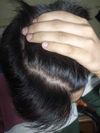
A 17-year-old is concerned about hair loss and shares photos for opinions. A user responds that the hair looks normal but is hard to assess from the images.
A 20-year-old is experiencing hair thinning due to vitamin D deficiency and has completed a vitamin D prescription without seeing improvement. Suggestions include waiting a few months for potential regrowth or considering treatments like minoxidil or finasteride for androgenetic alopecia.
The conversation discusses a hair loss and scalp care routine involving ciclopirox shampoo, benzoyl peroxide, clindamycin gel, clobetasol propionate, and calcipotriol to manage seborrheic dermatitis, folliculitis, and inflammation. It also touches on the role of diet and other treatments like oral minoxidil and pioglitazone for scalp health.
Diluting topical finasteride with coconut oil is discussed, with a suggestion to use topical minoxidil for a combined treatment. OP plans to try the minoxidil combination.
The conversation is about choosing a topical antiandrogen for hair loss, with options including RU58841, CB0301, Pyrolutamide, Alfatradiol, and Fluridil. Users discuss their preferences and reasons for selecting specific treatments.
The user is experiencing an allergic reaction to propylene glycol in Kirkland minoxidil and is considering switching to a foam version or a low-PG minoxidil solution. They are also contemplating oral minoxidil but are concerned about its long-term safety.
User asks about CB-03-01 for hair loss treatment and mentions using topical Dutasteride, TRT, and considering mixing CB-03-01 with Fluridil. CB-03-01 is sold at a high price, and user considers trying a lower concentration.
A user's experimentation with various hair loss treatments, including medications and topical applications; as well as their desire to experience unusual sensations through the use of drugs.
PP405 may promote short-term hair growth by pushing follicles into the growth phase, but concerns exist about long-term effects due to lack of rest phases. Users discuss various treatments like finasteride, minoxidil, spironolactone, alfatradiol, and investigational drugs like KX-826 and GT20029 for hair maintenance and regrowth.
The user experienced side effects from spironolactone and is seeking alternatives for androgenetic alopecia (AGA), considering saw palmetto but unsure of its effectiveness. They are also exploring the possibility of using topical spironolactone, despite availability challenges.
Creatine does not increase DHT levels or cause hair loss. Personal experiences vary, but scientific evidence shows no link between creatine and hair loss.
The conversation is about a user expressing concerns over the safety of a new drug called Pyrilutamide (also known as KX-826) for hair loss. The user will only trust the drug if it's permitted by EU regulations and sold by a reputable company.
The user is 2 months into using 0.5 mg finasteride, rosemary oil daily, vitamin B12, a 0.5 mm derma roller, and ketoconazole weekly for hair loss. They plan to update their progress monthly.
The user is experiencing severe hair loss due to gut malabsorption and is seeking advice on nutrient testing and supplementation. They have low Vitamin D and Ferritin levels and are asking for recommendations on additional nutrients and blood tests to consider.
Creatine might speed up hair loss in those prone to male pattern baldness, possibly due to increased DHT levels. Some users experience no issues when using creatine with treatments like finasteride, minoxidil, or dutasteride.
The user is experiencing increased hair shedding, scalp sensitivity, and itching despite using finasteride for four months, and has tried various shampoos without relief. They are advised to consult a dermatologist for potential scarring alopecia and consider other treatments like adding Dutasteride.
New hair loss treatments PP405 and VDPHL01 are discussed with skepticism and hope, alongside existing treatments like minoxidil and finasteride. Users express frustration over limited progress since the 1980s but remain cautiously optimistic.
A person noticed increased hair thinning after changing their workout routine from cycling to weightlifting, which also coincided with a rise in testosterone levels. They are considering stopping intense workouts, switching to yoga, cutting out caffeine, and re-evaluating after a few months to see if it improves their hair condition.
GHK-Cu and AHK-Cu peptides show limited success for hair loss, with skepticism about their effectiveness and concerns about misleading claims. Users report better results when combined with treatments like finasteride, dutasteride, minoxidil, and other methods.
A topical serum made from monounsaturated fatty acids showed rapid hair growth in mice within 20 days, but it remains experimental for humans. Users humorously discussed the frequent success of hair growth treatments in mice and expressed skepticism about translating these results to humans.
The user is using a regimen including topical finasteride, ketoconazole, melatonin, keto shampoo, pyrilutamide, microneedling, and tretinoin for hair loss, and is considering switching to oral finasteride for convenience and potentially better results. Some users suggest switching to oral finasteride and checking for health issues like nutrient absorption, while others note maintenance or slight improvement in hair thickness.
User asks where to purchase exosomes/AAPE for microneedling hair loss treatment. Links to research on hair regeneration therapy, stem cell therapy, exosome therapy, and dermal exosomes provided.
The conversation is about using valproic acid, an anti-seizure medication, as a topical treatment to promote hair growth. The original poster is seeking personal experiences from those who have tried this method.
The conversation is about using PTD-DBM and valproic acid for hair loss. The user is inquiring about the dosage of these treatments, noting that valproic acid is used at a 7.5% solution.
A user is using a mix of 15ml coconut oil and 6 drops of rosemary oil applied to the scalp three times a week for an hour before washing, seeking natural hair growth methods before considering medications. The user asks if this technique is effective and requests respectful advice.
Adding caffeine to topical minoxidil is unlikely to enhance its effectiveness, with most users agreeing it has minimal impact. The main treatments discussed are minoxidil and finasteride, with some users adding other ingredients like azelaic acid and retinol.