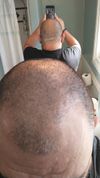
Adipose fat cells and stem cells may help treat hair loss by restoring the scalp's thickness. Treatments like NanoFat injections and Botox are discussed for their potential to promote hair growth.
A user's 3-month progress with a combination of finasteride, minoxidil and dermarolling for hair loss; other users shared their experiences and advice.
PP405 is considered a promising potential cure for hair loss, with phase 2 trial results expected in February 2025. Hair cloning is also discussed as a potential ultimate solution, despite significant scientific challenges.
CBD in an emu and lanolin oil preparation showed a 100% increase in hair growth, but the effectiveness may partly come from the oils. Users discussed proper CBD dosage, preparation methods, and skepticism about the study's quality.
Alcohol-free minoxidil options in Europe, particularly from a German pharmacy, are recommended for those with seborrheic dermatitis. Users suggest alternatives like Alopexy and Doppelherz foam, and emphasize avoiding propylene glycol and alcohol to reduce irritation.
A user shared their experience with hair transplant scab removal, noting that most scabs came off easily without bleeding by using oil and shampoo. They sought advice on whether any hair was lost during the process, and others reassured them that no hair was lost and to trust the healing process.
Lab-grown hair using iPSCs is being explored, but practical applications are limited. Finasteride is suggested as the only current effective treatment.
RU58841 stopped scalp itching for the user, providing relief from persistent itchiness associated with hair loss. Some users reported side effects like chest pain, while others found relief with different treatments like mometasone.
RU58841 cured seborrheic dermatitis, oily scalp, dandruff, and scalp pain, improving hair health when combined with Minoxidil. Another user noted diet impacts their seborrheic dermatitis and that finasteride hasn't changed their condition.
The conversation discusses the steps for microneedling, specifically differentiating between medical needling (0.5-1.5mm) and cosmetic needling (0.3mm). It emphasizes the importance of cleaning and disinfecting before microneedling, regardless of needle length.
The conversation is a satirical discussion about a user joking that their dog is balding and needs hair loss treatments like finasteride, with others commenting on the creepiness of an AI-generated image of a dog with human features.
Clascoterone, an acne treatment that blocks DHT, is being developed for scalp use against hair loss. The conversation also mentions Minoxidil, finasteride, and RU58841 as treatments.
The user reported noticeable hair improvement over four months using 1 mg of finasteride and weekly microneedling. Progress photos from October 2024 to January 2025 show positive changes.
The user started using minoxidil foam daily after two years on finasteride and is managing seborrheic dermatitis with antifungal shampoo. They seek advice on moisturizing products that won't worsen their condition, with suggestions including gentle shampoos and light ceramide serums.
The conversation discusses hair regrowth using Scandinavian Biolabs products, biotin pills, a dermaroller, rosemary oil, and a silicone head cleaner. The user observes weak hair regrowth and seeks opinions on the results.
The user started a hair care routine using 0.5mg finasteride daily, 2ml of 5% minoxidil, and 4.5mg of cetirizine topically to address hair loss. They plan to provide updates and are also interested in cetirizine's potential to reduce scalp itching and redness due to its anti-inflammatory properties.
Microneedling the scalp can cause sneezing, runny nose, and watery eyes due to nerve stimulation, histamine release, reflex actions, or sinus relief. Several users experience similar symptoms.
PP405 is a potential hair loss treatment, but its safety and effectiveness are uncertain. Users advise caution and suggest waiting for more data before purchasing unverified versions.
The user stopped using finasteride and tried turmeric, ginger, and perilla extract to reduce hair shedding, noticing a significant decrease in hair loss. They experienced side effects like rashes and easy bleeding from perilla extract and softer feet, possibly from turmeric.
User discusses Alfatradiol (17a-Estradiol) as a potential hair loss treatment with mixed results. Concerns include low dosage, receptor theory, and possible increased aromatase activity on scalp.
A woman experiencing hair loss, exacerbated by wearing a hijab, is seeking advice for her upcoming wedding. She has tried various treatments, including minoxidil, finasteride, and stem cell therapy, and is considering using hair fibers and extensions to cover her scalp.
The conversation is about the effectiveness of Anagain, Capixyl, Procapil, and Redensyl for hair loss, and whether anyone has experience using these ingredients, sometimes in combination with Minoxidil.
The conversation is about hair loss treatments, specifically setipiprant, which the user is considering after experiencing side effects from finasteride and dutasteride. Another user mentions that setipiprant was ineffective in clinical trials.
A user suggests that deeper microneedling with Verteporfin injections might help regrow hair in areas with scar tissue, alongside a DHT blocker. Another user explains that hair loss might be due to reduced Wnt/β-Catenin signaling and suggests that treatments like Minoxidil, Finasteride, and microneedling could potentially reverse it.
A user experienced increased shedding after adding KX-826 to their long-term finasteride and minoxidil regimen. Another user reported mild side effects from KX-826, such as stomach and testicle pain.
Clascoterone (Breezula) shows promising hair growth results, but skepticism remains due to past disappointments with new treatments. It may be a good alternative for those who can't tolerate finasteride or dutasteride, and can potentially be combined with them and minoxidil for better results.