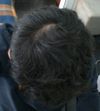
User considers trying AAPE for hair restoration, costing $700 for 6 months. Others discuss its potential effectiveness and mention a study with promising results.
The conversation is about comparing the effectiveness of fluridil and clascoterone in preventing hair loss and inquiring about their use as standalone treatments. There is a question about the concentration of the fluridil brand for efficacy.
A 24-year-old woman being diagnosed with androgenic alopecia (AGA) who is scared and confused about her hair loss, and the treatment options of Minoxidil, finasteride, RU58841, spironolactone, and possibly a biopsy.
Adding a daily scalp massage with an acupressure device before applying minoxidil can enhance its effects by improving blood circulation, with no side effects. Users are advised to continue microneedling weekly and consider using a derma stamp to avoid scarring.
A female with male-pattern hair loss (AGA) is seeking help after unsuccessful treatments with spironolactone and supplements, and is considering oral minoxidil and finasteride despite concerns about medication side effects. She has ruled out hormonal birth control and PRP/PRFM, and is looking into further medical advice due to abnormal lab results.
The user started finasteride two weeks ago and has been using minoxidil for over a month, while also supplementing with Acetyl L-Carnitine. They are curious if others have experienced hair shedding or growth with Acetyl L-Carnitine, especially when used with finasteride and minoxidil.
A user is seeking help to purchase and ship Alpecin DMG to the United States due to issues with eBay sellers. They prefer Alpecin DMG over minoxidil because of concerns about minoxidil's effects on insulin production, as they have diabetes.
The conversation discusses using a liposomal gel with Adenosine and caffeine for hair loss, questioning if caffeine's role as an adenosine receptor antagonist might counteract the benefits of Adenosine or worsen hair loss.
The user applies a topical solution containing minoxidil, finasteride, dutasteride, retinoic acid, and hydrocortisone to address scalp inflammation and is considering adding cetirizine to the mix. They are calculating the correct amount of cetirizine to add to their formula and have paused this approach to retry oral minoxidil.
A woman with AGA is using spironolactone, dutasteride, finasteride, oral minoxidil, bicalutamide, and anti-androgenic birth control but still experiences worsening hair loss. Steroid shots temporarily stop her hair shedding, leading her to question her biopsy results.
The GT20029 tincture, a topical androgen receptor degrader, showed significant hair growth and good safety in a China Phase II trial for male androgenetic alopecia (AGA), with the 1% dose twice weekly identified as optimal. The company plans to initiate Phase III trials in China and Phase II in the U.S., and the treatment also shows promise for acne.
The conversation is about concerns regarding starting finasteride for AGA, with a preference for topical finasteride due to worries about oral side effects. The user is considering adding oral minoxidil later due to an allergy to topical minoxidil.
New hair loss treatments PP405 and VDPHL01 are discussed with skepticism and hope, alongside existing treatments like minoxidil and finasteride. Users express frustration over limited progress since the 1980s but remain cautiously optimistic.
How diffuse unpatterned alopecia (DUPA) is not an invitation to self-diagnose oneself with aggressive AGA and that seeking a specialized dermatologist may help people experiencing hair loss. Treatment options discussed include topical clobetasol propionate, oral minoxidil, and discontinuing finasteride.
The conversation discusses the use of topical peptides ahk-cu and ghk-cu for hair loss. One user reported that while these peptides made their hair look thicker and improved scalp health, they did not notice significant hair growth.
Increased Malassezia and Cutibacterium in the scalp microbiome are linked to higher sebum production and inflammation in androgenetic alopecia (AGA). Treatments include ciclopirox shampoo, benzoyl peroxide shampoo, clobetasol propionate, calcipotriol, minoxidil, finasteride, and dutasteride.
Oral minoxidil treatment increased hair density and shaft caliber in AGA patients. Side effects included hypertrichosis and lower extremity edema, with younger patients experiencing fewer side effects.
The user is experiencing hair loss, initially diagnosed as Telogen Effluvium due to stress, but is concerned it might be Androgenetic Alopecia (AGA). A suggestion was made to consider using Minoxidil or Finasteride if the condition worsens.
User starts Nuclear Stack treatment for hair loss, including Dutasteride, Minoxidil, RU58841, Derminator 2, and supplements. Seeks advice on storing and dosing RU58841.
2% fucoidan alleviated AGA symptoms, promoted hair growth, and increased hair density in mice. Fucoidan is considered safe for humans as a supplement and topical skincare product, with potential therapeutic effects against AGA.
Topical Dutasteride is more effective than topical Finasteride for treating AGA in men, with fewer side effects. Mesotherapy with Dutasteride, administered every 3 months, shows promising results for hair regrowth and maintenance without daily routines or significant side effects.
Ashley & Martin Australia offers a treatment with Finasteride, Minoxidil, Retinoic Acid, a red light device, and shampoos for hair regrowth. Some users are skeptical, suggesting avoiding big companies and consulting a doctor for affordable prescriptions.
Intradermal botulinum toxin (BTX) injections effectively treat androgenetic alopecia (AGA) by inhibiting TGF-β1 secretion from hair follicles. Further research and long-term follow-up are needed to confirm these findings.
Minoxidil, finasteride, and RU58841 are discussed as treatments for androgenetic alopecia (AGA). The conversation questions their effectiveness and whether they are scams.
The conversation is about finding a pure high molecular weight hyaluronic acid for the scalp after microneedling. A user suggests using a product from The Ordinary.
A 33-year-old male is experiencing thinning at the temples and hairline, with increased shedding over the past year. The user suspects androgenetic alopecia (AGA) despite AI suggesting a maturing hairline.
SCUBE3 and Amplifica's progress in hair loss treatment is being discussed, with inquiries about their current status and clinical trials. No specific updates or new information are provided in the conversation.
A custom-made serum based on double-blind studies for AGA, which includes natural ingredients such as rosemary oil, procyanidin B-2, saw palmetto extract, curcuma aeruginosa, pumpkin seed oil and castor oil. The user has updated their recipe to include apple poly procyanidin B-2 4% concentration and other ingredients before topping it off with Pura d'or serum.