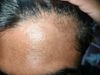
Quitting RU58841 after over two years reduced scalp itching and inflammation, despite concerns about losing hair gains. The user continues using finasteride and oral minoxidil.
The user is considering using tretinoin with topical finasteride due to poor absorption and side effects from oral finasteride. They are also contemplating switching to topical dutasteride, while others suggest trying oral minoxidil or lower oral doses.
The user experienced redness and itching from using 5% minoxidil and is considering trying a lower dose or alternative treatments like 2% minoxidil, mesotherapy, PRP, or rosemary oil. They are seeking advice on managing side effects and exploring other options for hair stimulation.
Psoriasis shampoo with salicylic acid can improve scalp health and hair quality better than Nizoral. It helps create a cleaner environment for hair growth, especially when using treatments like finasteride.
Bimatoprost and latanoprost are being considered for scalp hair growth, with concerns about side effects like skin darkening and fat loss. A user warns about potential chemical burns from latanoprost.
A 30-year-old with diffuse thinning and a balding crown is using a treatment regimen of a 2-in-1 pill containing finasteride, minoxidil, and biotin, along with various supplements. After two weeks, no side effects have been experienced, and updates with pictures will be posted monthly.
Finasteride users often experience itchy scalps, which may improve over time, but many rely on ketoconazole shampoo to manage symptoms. Some users find that finasteride helps with hair shedding, but not with scalp irritation, which may require additional treatment.
The conversation is about someone noticing increased nasal hair growth after using a combination of tretinoin and minoxidil for hair loss. They relate this effect to their grandfather's experience.
A 19-year-old is experiencing hair thinning and recession above the temples, causing stress and consideration of starting finasteride despite financial constraints. They are unsure whether to begin treatment immediately or wait to assess the situation further.
The user has been using topical Minoxidil (5%) and finasteride (0.1%) twice daily for 2 months, with occasional missed applications. They also use a zinc pyrithione shampoo every 2 days and do not dermaroll.
A 23-year-old male is experiencing large dandruff flakes causing hair loss, despite using anti-dandruff shampoo. He seeks advice on resolving the issue, noting a family history of baldness.
Betacarotene's effect on hair loss is discussed, with concerns about excessive vitamin A. The user also questions if 15mg melatonin impacts vitamin A levels.
Dutasteride may not effectively stop scalp hair loss and can cause thinning of facial and body hair, including eyebrows. Users suggest considering other causes like autoimmune conditions or vitamin deficiencies and exploring treatments like finasteride or minoxidil.
A 21-year-old male is using a topical treatment for hair loss, including Dutasteride, Minoxidil, Tretinoin, Ketoconazole, and Hydrocortisone, along with derma rolling. He reports no side effects from the treatment and seeks feedback on its effectiveness for hair regrowth.
The conversation discusses whether adapalene (Differin) increases sulfotransferase like tretinoin does, in the context of combining it with minoxidil for hair treatment. The responses indicate that adapalene does not have the same effect as tretinoin.
A 19-year-old male has been losing hair since 16-17 and feels more depressed after 6 months of using topical minoxidil and finasteride, which made his hair dry and greasy. Another user suggested switching to oral finasteride and provided tips for using topical minoxidil to reduce greasiness.
The user had been using Minoxidil and Dutasteride with micro-needling but experienced hair loss after switching Minoxidil brands. Their doctor prescribed oral Minoxidil and Tretinoin, but the pharmacist suggested isotretinoin might be a more cost-effective alternative.
Topical Vitamin D3 may stimulate hair growth and has been used for Alopecia Areata. There is a question about the lack of research on its use for Androgenetic Alopecia (AGA).
An 18-year-old has been using 5% topical minoxidil for 2 months for hair loss, with a history of vitamin D deficiency and thyroid imbalance. Users suggest starting finasteride and blocking DHT for androgenetic alopecia (AGA).
The user used topical finasteride 0.3% and minoxidil 6% nightly for 6 months, then added oral finasteride 1mg daily a month ago, which improved hair density. They also started using Flakes shampoo for scalp irritation, finding it more effective than keto shampoo.
Mixing RU58841 with cetosomal minoxidil is discussed due to scalp irritation from ethanol PG vehicles. A mixture of the two turned bright pink when left to dry.
A user shared progress pictures showing hairline improvement after 2 years of using topical Minoxidil, 1mg oral Finasteride, and sporadic microneedling. Another user praised the progress and shared mutual encouragement.
The conversation discusses a topical finasteride therapy with hydrocortisone butyrate, estrone base, and breviline. A user suggests oral finasteride as a superior option.
Essential oils like rosemary, thyme, lavender, and cedar wood in a carrier oil may effectively treat alopecia areata and potentially male pattern baldness by stimulating the scalp similarly to minoxidil. The user plans to try this routine and share results.
A woman experienced increased body hair and acne with minimal hair improvement after switching from topical to oral minoxidil. Suggestions included reducing the oral dose, trying spironolactone, returning to topical minoxidil, or considering laser treatment for body hair.
The user is using a topical routine of finasteride and minoxidil, noticing increased hair growth, and is considering adding tretinoin for skin issues. Tretinoin may enhance minoxidil's effectiveness, but care should be taken to allow proper absorption to avoid unintended facial hair growth.
Users discussed hair loss treatments, specifically 0.1% latanoprost with melatonin, caffeine, and biotin. Other treatments mentioned include minoxidil, finasteride, RU58841, and microneedling.
A 19-year-old male is experiencing accelerated hair recession after two months on oral Dutasteride, despite no noticeable shedding, while also using topical Minoxidil and Finasteride. He is unsure if the treatment is effective and is unable to access RU58841.