The user noticed small circular hairless spots after a buzz cut and has been using finasteride, dutasteride, and oral minoxidil for hair loss. They are experiencing continuous shedding and thinning, and it is suggested they consult a dermatologist for a scalp examination and possible biopsy to determine if it's alopecia areata or androgenetic alopecia.
A user has been experiencing hair loss for 4 years, with treatments like minoxidil, finasteride, and various supplements proving ineffective. They were diagnosed with fibrosing alopecia in a pattern distribution, a condition that may require a combination of anti-inflammatory and hair growth treatments.
User noticed beard and sideburn hair loss, and thinning eyebrows, diagnosed with alopecia barbae and male pattern baldness, and prescribed Desonide cream. User seeks feedback on Desonide cream.
The user experienced temple recession, shedding, and acne while on 0.5mg dutasteride, 1.25mg finasteride every other day, and 5mg oral minoxidil daily. They are considering switching treatments due to worsening symptoms and are contemplating using a topical anti-androgen like RU58841.
White spots on a bald scalp, likely tinea versicolor, can be treated with ketoconazole or selenium sulfide shampoos like Selsun Blue. Consulting a dermatologist is recommended for proper diagnosis and treatment.
The user is experiencing an itchy scalp and acne while using oral dutasteride and minoxidil for hair loss. They are considering stopping minoxidil to see if symptoms improve and possibly switching to finasteride if needed.
The conversation discusses the need for a localized 5-alpha reductase inhibitor that only affects the scalp without systemic side effects, similar to pyrilutamide's approach. Current treatments like topical liposomal finasteride and dutasteride are mentioned, but concerns about their systemic effects and lack of research are highlighted.
Using liposomal solutions with dutasteride, minoxidil, and tretinoin worsened hair loss due to buildup and scalp issues. Consulting a professional and returning to simpler treatments like finasteride and minoxidil improved the situation.
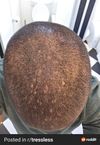
A 28-year-old male is experiencing hair loss, itching, soreness, and numbness on the scalp, with symptoms including dry, brittle hair and scalp irritation. Treatments tried include Nizoral, salt water, various oils, and antihistamines, with limited success; a chemist suggested a possible fungal infection, while a doctor suspected male pattern baldness.
Accutane use led to hair loss and seborrheic dermatitis for many, with treatments like dutasteride, minoxidil, and Nutrafol being used to manage symptoms. Some users reported improvement, while others experienced persistent issues or side effects from treatments like finasteride.
The user experienced red pimples and a rash from using topical minoxidil, possibly due to propylene glycol. Suggestions included seeing a dermatologist, switching to foam without propylene glycol, using Nizoral, and adjusting application timing.
A user with diffuse hair loss after taking accutane, which might have triggered genetic predisposition to AGA; their experience taking finasteride and experiencing side effects of increased oil production, increased sex drive, worsening hair texture; they are considering zinc supplementation with finasteride or other treatments such as alfatradiol or spironolactone.
The user is experiencing intense hair shedding all over the scalp after applying pyrilutamide to the hairline and taking oral castor oil. They are also using topical finasteride and latanoprost, but are unsure which treatment is causing the shedding.
AH-001 is a new topical treatment designed to degrade androgen receptors, targeting the root cause of androgenetic alopecia without the side effects of oral treatments like finasteride. It has shown a strong safety profile and good local tolerability in early trials.
Using dermaneedling or dermapen for hair loss while managing seborrheic dermatitis and dandruff. Treatments mentioned include ketoconazole, peppermint and jojoba oil, and rubbing alcohol.
The user experienced significant hair loss on the scalp, eyebrows, eyelashes, and pubic area, along with itchy, flaky skin and red patches. They have a history of eczema and dermatitis and suspect that stopping shampoo use and taking Ritalin may have contributed to the issue.
The conversation discusses managing hair loss and scalp issues, with users sharing experiences using treatments like dutasteride, finasteride, ketoconazole, sulfur soap, and topical anti-androgens. Suggestions include trying sulfur soap, scalp massages, spironolactone, and dietary changes to reduce sebum production and dandruff.
The conversation discusses scalp itching and tenderness after microneedling, despite using medicated shampoos and proper sanitation. The user plans to see a dermatologist and is concerned about possible infection or allergic reaction.
The user is using topical dutasteride, finasteride, minoxidil, and tretinoin but seeing no results or side effects. They also microneedle every two weeks but experience little bleeding, questioning if a thick scalp is preventing treatment effectiveness.
A user is concerned about hair loss and acne from a one-week course of 70 mg/day oral prednisolone for severe tinnitus. They are asking if these side effects are common.
A 19-year-old male has been using topical finasteride and minoxidil for 8 months with no progress and is considering seeking a second opinion due to potential misdiagnosis. The discussion revolves around whether the hair loss is due to male pattern baldness, alopecia areata, or a vitamin deficiency.
Scalp biopsies are crucial for diagnosing hair loss conditions like Diffuse Unpatterned Alopecia (DUPA) and retrograde hair loss, as treatments like finasteride and dutasteride may not be effective if other conditions are present. Combining PPAR-GAMMA agonists with retinoids could improve treatments for conditions like Lichen Planopilaris.
A 28 year old male experiencing diffuse thinning, chronic dandruff and scalp crust (seborrheic dermatitis), with replies discussing the use of topical fin for hormone imbalances and Nizoral for seb derm.
The user has been using dutasteride, lymecycline, betamethasone, and minoxidil for hair loss but struggles with eczema and dry skin. They feel hopeless as no treatments or moisturizers have helped, and they are concerned about their appearance due to their soft facial features.
The conversation is about a female experiencing hair loss and seeking advice on why it's difficult to regrow hair. Specific treatments like Minoxidil, finasteride, or RU58841 are not mentioned.
A user with seborrheic dermatitis is experiencing bald spots and hair thinning despite changing their diet and taking oral minoxidil. Another user suggests using ketoconazole shampoo properly, using a scalp massager, applying rosemary/peppermint oil, keeping hair short, and taking fish oil to improve scalp health.
A user is experiencing significant hair loss and scalp issues despite using Minoxidil, finasteride, and RU58841 since 2017. They switched to oral Minoxidil and are now on isotretinoin and topical corticosteroids for seborrheic dermatitis but continue to lose hair and seek advice on whether inflammation or treatment changes are the cause.
