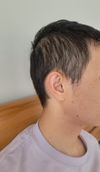
The user is experiencing excessive hair thinning and is unsure of the cause. They are seeking opinions on treatments like Minoxidil, finasteride, and RU58841.
A 35-year-old man had a hair transplant in 2019 but experienced further hairloss due to not using finasteride or minoxidil. Many suggest shaving his head or considering a hair system, as his donor area is depleted and further transplants may not be viable.
A 27-year-old male with AGA and diffused thinning has been using oral Minoxidil, Finasteride, Vitamin D, B12, Iron, and Ketoconazole shampoo. Despite a hair transplant and improved blood levels, he continues to experience hairloss and suspects a possible misdiagnosis of Alopecia Areata Incognita.
The conversation discusses the frustration of having excessive body hair while experiencing scalp hairloss, with mentions of treatments like finasteride, minoxidil, and hair transplants using body hair. Users share experiences and advice, noting the role of genetics and DHT in hair growth patterns.
A 19-year-old male has been experiencing aggressive hairloss since age 15/16 and has tried various treatments including topical Minoxidil, microneedling, tretinoin, retinoic acid, stemoxydine, RU58841, and finasteride without success. He recently added oral Minoxidil but continues to experience significant hair thinning and is considering switching to dutasteride.
A 22-year-old is experiencing hairloss, particularly fuzzy hair in the front, and is concerned about male pattern baldness. Treatments mentioned include Propecia (finasteride), minoxidil, PRP treatments, dermarolling, peppermint oil, and apple cider vinegar.
The conversation discusses hairloss and the potential impact of diet and lifestyle changes, particularly increased protein intake, on hair health. The original poster shared their experience of improved hair appearance after weight loss and dietary changes, despite skepticism from others about lighting differences in photos and the effectiveness of diet alone without finasteride or minoxidil.
The individual has experienced a sore, stiff, and itchy scalp with hairloss for 4.5 years, and has noticed increased thinning and miniaturized hairs, especially at the temples. They have tried ketoconazole shampoo without success and are considering finasteride for treatment.
A 19-year-old experiencing early hairloss started using finasteride to address diffuse thinning, despite concerns about potential side effects. They also use T/Gel and OGX Thick and Full shampoo, and have a dermatologist appointment scheduled to explore possible allergies.
The user had a hair transplant and used finasteride, minoxidil, and pumpkin seed oil to combat hairloss. They are proud of their efforts to preserve their hair rather than accepting baldness.
A 21-year-old male diagnosed with telogen effluvium and male pattern baldness started oral finasteride, which initially slowed hairloss and slightly thickened hair, but experienced increased shedding after surgery. The doctor recommended iron and vitamin D supplements, and the user is seeking additional advice.
The user experienced significant hairloss on the scalp, eyebrows, eyelashes, and pubic area, along with itchy, flaky skin and red patches. They have a history of eczema and dermatitis and suspect that stopping shampoo use and taking Ritalin may have contributed to the issue.
A user shared their experience with hairloss and a hair transplant at the Scandinavian Hair Institute, using finasteride every other day as part of their regimen. They expressed satisfaction with the transplant results and decided against using minoxidil due to its inconvenience and potential side effects.
A 21-year-old male with a thyroid condition noticed his hair thinning uniformly without a receding hairline. He is considering using a 5ARI to prevent further baldness if he starts TRT.
A 21-year-old experiencing hairloss was prescribed two shampoos and hair vitamins by a dermatologist who suggested seborrheic dermatitis as the cause. However, users in the conversation suggested the hairloss could be male pattern baldness (MPB), recommending monitoring the situation and considering finasteride as a treatment.
A user noticed worsening hairloss and is considering treatments. They plan to use finasteride, Rogaine, and a ketoconazole shampoo, and seek advice on their effectiveness and usage.
The user experienced hairloss due to defective dutasteride and is now using a regimen including dutasteride, oral and topical minoxidil, RU58841, tretinoin, and microneedling to recover hair density. They are optimistic about regaining their hair despite recent setbacks.
A man lost his transplanted hair despite using minoxidil because he wasn't on a DHT blocker like finasteride, which is essential to prevent further hairloss. The conversation emphasizes that hair transplants are not a cure and require maintenance with medications to preserve results.
A 20-year-old is experiencing hairloss and is using finasteride, ketoconazole, and topical minoxidil. They suspect retrograde alopecia due to hairloss on the sides and nape, despite noticing some hair thickening on top.
User "tresslessatbest" shares her experience with androgenic hairloss and treatments. She found success using men's Rogaine 5%, spironolactone, dermaroller, biotin, blackcurrant seed oil, prenatal vitamins, and Nizoral shampoo.
Hairloss can cause significant stress and anxiety, leading individuals to try various treatments like microneedling, hair transplants, and lifestyle changes. Some people find peace by accepting hairloss and focusing on other aspects of life, while others experience ongoing distress.
A 24-year-old male started using 1 mg finasteride and topical minoxidil for hairloss in February 2025. By June 2025, he noticed improvement in his right temple but experienced thinning at the crown and continued shedding.
A user diagnosed with Crohn's disease is concerned it might contribute to balding. They have been using keto shampoo, finasteride, and oral minoxidil, which improved their hair but not significantly.
After 7 months of a hair transplant, the user is experiencing significant hairloss despite using a minoxidil and finasteride topical solution daily. Losing around 100 hairs daily might be normal, but if it persists, other causes should be considered.
A 21-year-old expresses feeling alone and invalidated in his struggle with hairloss, seeking empathy from others. Some users share similar feelings, while one mentions making progress with dutasteride and minoxidil treatments and considering a hair transplant.
Accepting hairloss, and the use of medications such as finasteride, minoxidil, and microneedling to treat it. The responses provide advice and personal experiences related to coping with hairloss.
The user shared their journey from hairloss at 17 to a full head of hair using topical finasteride, Saw Palmetto, a natural serum with stem cells and rosemary oil, dermarolling, and a specialized shampoo. They experienced side effects with Dutasteride and found success with their current routine without side effects.
Accutane may accelerate hairloss in genetically predisposed individuals by affecting enzymes related to DHT metabolism. Some users report hairloss after taking Accutane, while others use treatments like finasteride and minoxidil to manage hairloss.