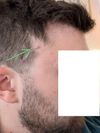
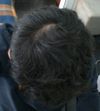
A user's hairline recovery after severe hair loss, which was treated with Dutasteride and Minoxidil; other users offered their opinions on the severity of the hair loss.
The review discusses traditional hair loss treatments like minoxidil and finasteride, and newer options like Low-Level Laser Therapy, microneedling, and platelet-rich plasma for androgenetic alopecia. It highlights the need for more high-quality trials to assess these treatments' effectiveness and standardized protocols for emerging therapies.
A user had a hair transplant 16 years ago and lost hair after stopping finasteride. They're now using a combination of treatments including oral dutasteride, topical and oral minoxidil, Pyrilutamide, and microneedling, and have seen improved density but are unsure if it's enough to grow their hair out. They also had a bad experience with scalp micropigmentation (SMP) and are considering redoing it.
The user regained hair and reduced forehead size using a routine of 1mg finasteride, 5mg minoxidil, topical minoxidil twice daily, tretinoin before minoxidil, derma stamping weekly, red light therapy daily, and ketoconazole shampoo thrice weekly. They experienced initial side effects with finasteride but adjusted the dosage over time.
The user is experiencing continued hair loss despite using minoxidil, finasteride, tretinoin, and microneedling. They are considering a hair transplant due to lack of response to current treatments.
A user experiencing hair loss received three different diagnoses: androgenic alopecia, traction alopecia, and scarring alopecia, and tried treatments like minoxidil and finasteride without success. They are considering dutasteride but were advised to seek anti-inflammatory medication instead.
The conversation discusses a small patch of missing hair and whether treatments like Minoxidil, finasteride, or RU58841 could help. The user is seeking advice on addressing this specific hair issue.
User experienced hair loss after weight lifting, had a successful hair transplant, but later faced significant thinning. Current treatment includes finasteride, minoxidil, dermal rolling, and supplements.
A 19-year-old male has been experiencing aggressive hair loss since age 15/16 and has tried various treatments including topical Minoxidil, microneedling, tretinoin, retinoic acid, stemoxydine, RU58841, and finasteride without success. He recently added oral Minoxidil but continues to experience significant hair thinning and is considering switching to dutasteride.
The user is experiencing hair loss, initially diagnosed as Telogen Effluvium due to stress, but is concerned it might be Androgenetic Alopecia (AGA). A suggestion was made to consider using Minoxidil or Finasteride if the condition worsens.
The user is considering another hair transplant or scalp micropigmentation (SMP) for a congenital bald spot, but previous transplants were less effective due to scar tissue. Suggestions include using hair fibers, changing hairstyles, or doing nothing, as the spot is not very noticeable.
A 27-year-old is using finasteride, minoxidil, microneedling, and Pilexil shampoo to combat hair loss, with plans to add Nizoral shampoo and light stimulation. Initial results show reduced hair loss and some hair thickening, despite a period of shedding.
The user is experiencing hair loss without a family history and suspects stress or telogen effluvium (TE) as the cause, despite using finasteride without results. Others suggest stress, vitamin deficiencies, or other conditions could be factors, and some mention that balding can occur without a family history.
A 35-year-old male shared his hair restoration journey, starting with minoxidil and finasteride, which improved his hairline and crown, followed by a hair transplant in November 2024. He stopped finasteride to conceive, experienced some shedding, and is now considering switching to dutasteride while continuing minoxidil.
A 15-year-old experiencing severe diffuse thinning plans to use minoxidil, dermarolling, and possibly ketoconazole, with hopes to later incorporate finasteride. Concerns about starting finasteride too young and the need for a dermatologist consultation are discussed.
The user shared their 10-month hair loss treatment progress using Finasteride, Topical Minoxidil, and microneedling, noting significant improvement in their hairline. They also mentioned that Finasteride helped with acne, and other users discussed additional treatments like tretinoin and observed hair regrowth patterns.
The user started losing their hair at 16 and got a hair transplant. They used Minoxidil and finasteride as treatments. The transplant has held up well and they have not experienced graft loss.
The user is experiencing increased hair thinning and shedding despite using oral dutasteride, oral minoxidil, topical dutasteride, and ketoconazole shampoo. Many recommend considering a hair transplant or embracing baldness, as current treatments seem ineffective.
Zinc pyrithione and ketoconazole shampoos may help reduce hair loss by removing DHT from the scalp. Users discuss various treatments, including minoxidil, finasteride, and non-pharmaceutical options like castor oil and dermarolling.
A user is concerned about using Alpicort, which contains Prednisolone and Salicylic Acid, for male pattern baldness. They are unsure if it will help or worsen their condition and are seeking advice.
A user shared their experience with Finasteride for hair loss, noting improvement but still some thinning. They plan to get a hair transplant to address remaining thin spots and strengthen their hairline.
The user's hairline is receding despite using finasteride for 7-8 years and minoxidil for 1 year, with inconsistent usage. They are considering other treatments like microneedling.
The user is using caffeine shampoo with baicapil, microneedling, massage, and procapil lotion for hair loss. Replies suggest the user is balding and recommend finasteride.
The conclusion of the conversation is that the user, AlgomasReturns, tried various treatments for hair loss but saw regrowth after starting finasteride. They recommend others to try it as well.
The user is experiencing hair loss despite using dutasteride, minoxidil, and ketoconazole shampoo, and is concerned about continued shedding. Suggestions include checking for nutrient deficiencies, consulting a dermatologist, and considering other potential causes like seborrheic dermatitis or telogen effluvium.
The user maintained their hair for 7 years using alfatradiol, fluridil (later switched to pyrilutamide), minoxidil 5%, and Nizoral shampoo without finasteride due to side effects. Despite some family history of hair loss, the user believes their hair loss is not aggressive.
A 29-year-old is using 5% topical minoxidil, 5 mg oral minoxidil, 1 mg finasteride, Nizoral shampoo, and weekly microneedling to treat hair loss, reporting significant progress in hair regrowth and hairline improvement. The routine includes applying minoxidil twice daily, managing dead skin with shampoo, and using a baseball cap to maintain hair appearance.
A 26-year-old man from France started experiencing hair loss in September 2020 and began using finasteride in June 2021, reporting some improvement after three months without side effects. He plans to continue finasteride for a year before considering additional treatments like minoxidil or dermarolling.
A woman with androgenetic alopecia uses Dutasteride and Bicalutamide but feels devastated due to increased sensitivity to DHT. She considers wigs, Minoxidil, and seeks advice on options like spironolactone, hair transplants, and therapy.
The user has tried various treatments for hair loss, including finasteride, dutasteride, RU58841, Pyrilutamide, and several topical growth factors, but continues to experience a receding hairline and thinning. Despite maintaining a healthy lifestyle, the user is unsure why these treatments are ineffective and seeks advice on the underlying cause.