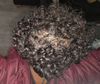
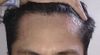
The conversation is about using DIY deoxyribose topical and botox injections for hair loss. The user is experimenting with these treatments and believes the science is strong.
The conversation discusses a user's unconventional hair loss treatment involving scalp massage, dermastamping, and pouring hot water to induce a burning sensation, with a warning not to try it without further evidence. Other users suggest more traditional treatments like Minoxidil and finasteride, while expressing skepticism and concern about the hot water method.
In this conversation, 4990 discussed various treatments for hair loss, including oral minoxidil, PRP, transplan, Jak inhibitors, Dutasteride, Finasteride, Olumiant, Ketoconazole, RU58841, microneedling, baricitinib, and CCCA. They recommended scalp biopsies in unclear cases of DUPA, twice weekly to twice daily shampooing for topical minoxidil users, and two sessions spaced one month apart with follow up at month three to determine the effectiveness of PRP treatment.
The conversation discusses various treatments for hair loss, including finasteride, minoxidil, dutasteride, microneedling, and checking for nutrient deficiencies. Some users suggest adding hydrocortisone butyrate, low-dose progesterone, or tretinoin to treatment regimens, while others recommend cosmetic solutions like Toppik hair fibers or shaving the head.
The conversation discusses using a TCA 35% chemical peel on the scalp to potentially improve hair growth by addressing fibrosis and enhancing the effectiveness of topical treatments. The user also mentions trying microneedling and other methods like topical metformin and dutasteride for hair regrowth.
The user has been using oral finasteride for 15 months and oral minoxidil for 6 months, and developed alopecia areata, for which a dermatologist prescribed calcipotriol/betamethasone. The treatment is helping, but the user is experiencing another shedding phase and is concerned about the effects of the steroid cream and the cause of hair loss.
The user is experiencing hair loss and confusion over conflicting medical advice, with treatments including minoxidil, finasteride, and topical corticosteroids. They are unsure about the necessity of a biopsy and the timing of using minoxidil, while also considering the impact of potential androgenetic alopecia and telogen effluvium.
Finasteride can reduce DHT in the genitalia, potentially causing side effects like reduced erections and penile fibrosis. Using PDE5 inhibitors like Tadalafil or Sildenafil may help maintain penile health and prevent fibrosis.
The conversation discusses using high molecular weight hyaluronic acid after microneedling to form a protective barrier, though it's considered expensive and offers marginal improvement. Users share experiences with different microneedling tools like derma rollers, dermastamps, and Dr. Pen, with some opting not to use any products on the scalp.
A 25-year-old experiencing hair thinning all over the body and head, despite using minoxidil and having low vitamin D levels, is advised to seek a second opinion from a dermatologist specializing in hair loss. The likely diagnosis is diffuse alopecia areata, which may require treatment with a JAK inhibitor.
Oral Minoxidil users discuss whether caffeine affects its effectiveness due to adenosine receptor blockade. Users report no significant impact on hair growth despite caffeine consumption.
A user's scalp issue that may be causing their hair loss and potential treatments, such as salicylic acid, finasteride, minoxidil, ketoconazole shampoo, and visiting a dermatologist.
The user uses a 1.5mm derma stamp weekly for hair loss and applies minoxidil afterward, feeling a slight burn but no bleeding. They question if bleeding, seen in others using a derma pen, indicates proper technique.
The conversation discusses using 0.1% Alfatradiol compounded by a pharmacy for hair loss treatment. It also mentions Minoxidil, finasteride, and RU58841 as other treatments.
The conversation discusses a user's 3.5-month experience using pyrilutamide and minoxidil for hair loss, with some perceived improvement in the temples but potential recent regression. Another user suggests that maintaining the current hairline, even without improvement, is positive.
The individual is experiencing hair thinning primarily at the front/middle of their scalp and is seeking to identify the type of hair loss they have. They already use treatments like oral Minoxidil, topical Finasteride, Tretinoin gel, dermarolling, and various oils and shampoos.
The conversation discusses doubts about the effectiveness of topical finasteride for hair loss, suggesting that DHT could be produced elsewhere in the body and affect the scalp. It proposes that androgen receptor antagonists like spironolactone and clascoterone might be more effective as they could prevent this potential bypass mechanism.
A user experienced hair thinning after taking Accutane and having a B12 deficiency. They are currently using minoxidil and beclomethasone dipropionate lotion for treatment.
A user experiencing diffuse thinning since age 18 describes their hair as unhealthy, dry, thin, and hard, with texture changes cycling between good and bad every few weeks. They are not on any medication, only taking vitamins and supplements.
Microneedling does not prevent future hair transplants, but some surgeons report the skin becomes "harder" in treated areas. There is no clear evidence to confirm this effect.
Mixing RU58841 with cetosomal minoxidil is discussed due to scalp irritation from ethanol PG vehicles. A mixture of the two turned bright pink when left to dry.
Minoxidil alone is just as effective as when combined with tretinoin and azelaic acid for hair loss. People adding tretinoin and azelaic acid to minoxidil may not see the expected benefits.
Topical minoxidil with tretinoin is causing redness, stinging, and flaking on the scalp. Reducing application frequency and using anti-dandruff shampoo may help alleviate symptoms over time.
A 32-year-old male with hair loss cannot use finasteride due to erectile dysfunction and minoxidil due to scalp psoriasis. He seeks alternative treatments for his condition.
The user experienced side effects from spironolactone and is seeking alternatives for androgenetic alopecia (AGA), considering saw palmetto but unsure of its effectiveness. They are also exploring the possibility of using topical spironolactone, despite availability challenges.
Switching from liquid to foam Minoxidil to avoid scalp irritation, with a method to melt the foam for easier application. Users discuss alternatives and personal experiences with Minoxidil, including issues with propylene glycol and different application methods.
AltruisticBro's experience with Fluridil (Eucapil) as a hair loss treatment, and the current blood work results associated with it. They are not willing to take finasteride due to potential permanent side effects.
Using topical finasteride with creatine might help reduce hair loss by targeting local DHT while maintaining normal systemic levels, but results are uncertain without testing. Users report mixed experiences with topical treatments like finasteride, dutasteride, RU58841, and minoxidil, with some seeing regrowth and others experiencing side effects.