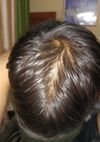
RU58841 worsened hair condition, causing thinning and unusual patterns. The user stopped using it two months ago but hasn't seen recovery, and there's speculation about androgen receptor upregulation.
Combining pyrilutamide and alfatradiol might be as effective as finasteride for hair maintenance. The user plans to try this combination alongside minoxidil and keto shampoo, hoping for improved hair thickness.
The user discusses using a topical solution with minoxidil, finasteride, and additional ingredients like apigenin, oleanolic acid, and biotinoyl tripeptide. They question if this combination is more effective than using just minoxidil and finasteride alone, noting they are already taking oral finasteride.
A user experiencing diffuse thinning at the hairline after 12 months on finasteride is considering adding minoxidil, dutasteride, or RU58841 to their treatment. Another user suggests adding minoxidil now, holding off on dutasteride, and shares personal side effects from RU58841.
The conversation discusses a new 0.3% tretinoin topical launched by MinoxidilMax for mixing with other solutions, with some users expressing concern about potential skin irritation compared to lower concentrations. MinoxidilMax has also released other products like topical Dutasteride and RU58841.
The conversation discusses the variability in effectiveness of medications, including finasteride, and questions whether different manufacturers impact results. The user suggests sharing successful brands to help others identify effective options.
The conversation discusses the delay in the release of a new hair loss treatment, Pyrilutamide, and speculates on potential safety concerns as a reason for the delay. It also mentions GT20029 as another future treatment option, with a release at least five years away, and touches on the avoidance of research chemicals due to uncertainty about their authenticity.
Kintor plans to release pyrilutamide foam and a plant-based Koshine by year-end, with GT20029 progressing in their pipeline. Users are pleased about the absence of propylene glycol (PG) in the new products.
The conversation discusses various hair loss treatments, including pyrilutamide, RU58841, topical dutasteride, oral minoxidil, and oral finasteride/dutasteride. It also mentions potential treatments like PP405, Verteporfin, GT20029, and AMP303.
The user is asking if using a 10% fluridil formulation would be effective for blocking scalp androgens in addition to their current treatment of oral dutasteride.
The conversation discusses using PGE2 as a hair growth stimulant, comparing it to minoxidil, and considering the addition of Setipiprant. Concerns about side effects like skin damage and cost are also mentioned.
Pyrilutamide's effectiveness is questioned due to overstated claims and previous trial ineffectiveness, with some users opting for finasteride instead. Despite skepticism, some consider adding pyrilutamide to their regimen alongside treatments like bicalutamide.
The conversation is about someone inquiring if anyone has tried Olumiant or its active ingredient, Baricitinib, for hair loss, mentioning the cost and that they have ordered Baricitinib.
PP405 is expected to be more expensive than finasteride and minoxidil initially due to patent protection, but not as costly as life-saving medications like Ozempic. The price may decrease after the patent expires, but initially, it might be around $100 per month, making it potentially unaffordable for many.
The user has been using oral minoxidil and dutasteride for hair loss without success and is considering adding topical 17α-estradiol, Pyrilutamide, Clascoterone, or cetirizine. They have confirmed low serum DHT levels and are exploring additional treatments due to genetic sensitivity to DHT and prostaglandin D2.
The conversation discusses using tretinoin as an additional treatment for hair loss alongside minoxidil, with plans to test its effectiveness by applying it to only one side of the scalp. The user intends to start this experiment after using minoxidil for a year.
RU58841 is preferred over finasteride for blocking DHT on the scalp, especially for those with aggressive MPB. Creatine is associated with increased hair shedding, even when using RU58841.
Long-term RU58841 users discuss its effectiveness, with some finding it not worth the cost compared to other treatments like Dutasteride and Minoxidil. One user experienced side effects from a chemical company product, while another is regrowing hair after stopping RU58841.
Kintor's GT20029, a treatment for hair loss, has completed Phase 1 successfully, showing promise as an androgen receptor degrader that could potentially regrow hair. It is considered more effective than Pyrilutamide, with infrequent dosing and minimal systemic absorption.
The post discusses using a topical tincture containing zinc, azelaic acid, and other ingredients to inhibit 5 alpha-reductase activity for treating hair loss. The user plans to try this natural alternative before using finasteride or RU58841.
The user updated their hair loss treatment to include daily dutasteride, oral minoxidil, topical dutasteride with minoxidil and tretinoin, and RU58841. Commenters feel the extensive treatment is unnecessary for the user's level of hair loss.
Exploring potential treatments for hair loss, with the focus being on comparing RU58841 and Pyrilutamide. Finasteride, Dutasteride, oral Minoxidil, microneedling, topical Minoxidil, Biotin, Zinc, Vitamin D and Nizoral are also discussed as part of a treatment stack.
The conversation humorously discusses using off-label drugs like Minoxidil, finasteride, and RU58841 for hair growth. It jokes about the brain absorbing these treatments for maximum keratin production.
A 20-year-old diffuse thinner has been using finasteride for 8 months and is considering adding minoxidil to their routine. A user suggests incorporating minoxidil for quicker regrowth, despite the hassle of daily application, while continuing finasteride.
KX826 shows promise as a hair loss treatment with a 10% increase in hair count, but concerns about Kintor's marketing practices and the systemic effects of treatments like GT20029 and RU58841 remain. Users express skepticism and hope, with some preferring traditional treatments like finasteride and minoxidil.
PP405, developed by Pelage Pharmaceuticals, can reactivate dormant hair follicle stem cells and increase hair growth by 20% in eight weeks, unlike minoxidil or finasteride. However, skepticism remains about its effectiveness and availability, with concerns about funding and the timeline for broader access.
Mixing RU58841 with minoxidil compounded with tretinoin is discussed, with concerns about systemic absorption. Topical dutasteride and finasteride are also mentioned as treatments, with varying personal experiences and concerns about side effects.
Pyrilutamide's 0.5% solution showed minimal improvement, while the 1% solution appears more promising but costly. The user is currently using finasteride and oral minoxidil and considering adding Pyrilutamide if effective and affordable.
The conversation discusses hair loss treatments, specifically oral minoxidil (2.5mg), dutasteride (0.5mg every other day), and ketoconazole. The user reports slow progress but significant hair growth after adding ketoconazole to their routine.