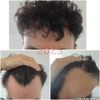
Microneedling alone can stimulate hair growth and enhance the effectiveness of minoxidil. Combining microneedling with minoxidil is more effective than using minoxidil alone.
The conversation is about adding Swisse Hair Nutrition for Men, which contains saw palmetto and various vitamins, to a Minoxidil and finasteride regimen to potentially enhance hair growth. The user is seeking feedback on the effectiveness of stacking these supplements with their current treatment.
Excessive scalp sebum, worsened by DHT, can lead to inflammation and hair loss, with clascoterone mentioned as a treatment. Diet changes seem ineffective for scalp sebum, and treatments like minoxidil and finasteride are suggested.
A 28-year-old male with a family history of baldness is deciding whether to start finasteride now or wait for visible hair changes. He is considering starting finasteride immediately to proactively address potential hair loss.
Topical sodium valproate may promote hair growth by inhibiting GSK3β, allowing beta-catenin to proliferate, but it has potential side effects and requires more research. The conversation also mentions skepticism about a product called Vdphlo1, which includes sodium valproate and other ingredients.
The conversation is about the best concentration of Tretinoin to use with Minoxidil for hair growth, with suggestions ranging from 0.025% to 0.05%. Users discuss personal experiences and plans to adjust Tretinoin concentration for better results.
The user has been using Nizoral shampoo, MCT oil with lavender oil, and tea tree conditioner for hair care, considering finasteride if no progress is seen. Some users notice progress in hair thickness and density after three months.
The conversation is about finding shampoos with Piroctone Olamine in the US for itch relief, as the user has not found relief with Keto shampoo, oral Dutasteride, and oral Minoxidil. Users suggest alternatives like Neutrogena T/Gel and online options, but note availability and price issues.
Saw palmetto's fatty acids, particularly lauric and linoleic acids, inhibit enzymes linked to hair loss, while sterols like beta-sitosterol are less effective due to poor absorption. The conversation questions which specific compounds in saw palmetto contribute to its anti-androgenic effects.
Elevated bile acids can inhibit the enzyme AKR1C2, leading to increased DHT levels, which may accelerate hair loss in those predisposed to androgenetic alopecia. Treatments mentioned include topical minoxidil and finasteride.
The user experienced hair regrowth and stopped hair loss using a natural DHT blocker and later finasteride, despite initial side effects. They plan to add topical minoxidil to address remaining thin spots.
A 22-year-old male has been using oral finasteride (1.2mg) and oral minoxidil (2.5mg) daily for 3.5 months, along with vitamin D, fish oil, iron, and biotin, and reports significant hair growth without side effects. The user plans to continue the treatment and is considering cutting hair to assess progress more accurately.
Exercise, especially leg workouts, combined with finasteride and minoxidil, may enhance hair regrowth. Cold exposure, like cold showers, might further boost results.
Adding tretinoin to minoxidil may help non-responders but likely won't improve results for those already responding to minoxidil. The user plans to try tretinoin with minoxidil and finasteride to see if it enhances hair regrowth.
Finasteride and Dutasteride can be obtained cheaply through Amazon One Medical with an Rx Pass subscription for $20/year. Users discuss various options and costs for hair loss treatments, including Blink Health and Mark Cuban's pharmacy.
A user shared their 2-month progress using oral minoxidil and finasteride for hair loss, noting side effects and adjustments in dosage. They also use Nizoral shampoo and previously tried topical treatments and a hair system.
A user shared their 5-month experience using topical finasteride for hair loss, noting side effects like watery semen and puffy nipples, which led them to stop the treatment. They saw no significant hair improvement and have since switched to using minoxidil.
Mixing 1ml of topical Minoxidil and Pyrilutamide (2ml total) together in a container and applying immediately is being discussed. The concern is whether this method degrades or compromises the efficacy of either compound.
User shared 3.5 months progress on oral finasteride 1.25mg daily with no side effects. Other users commented on the effectiveness and shared their experiences.
The post and conversation are about skepticism towards a new hair loss treatment containing 2-deoxy-D-ribose, copper peptides, and exosomes, with concerns about the legitimacy of the product and its website. The treatment's effectiveness and authenticity are questioned due to lack of testing and transparency.
Triple Hair Inc. developed a new topical treatment, TH07, combining Finasteride, Latanoprost, and Minoxidil for androgenic alopecia. Users discussed its effectiveness compared to other treatments and shared their own product combinations.
The conversation is about a product called FLEAVA, found in a Facebook ad, and whether it is effective or just another scam. One user believes it is likely a scam and mentions that such products usually don't compete with Minoxidil.
A user is 6.5 months into using topical 5% minoxidil and 0.25% finasteride daily, with added Nizoral 2% and microneedling. They report hair thickening and regrowth on the hairline but seek advice on crown improvement, noting results can take up to a year.
A user shared progress pictures after one year of daily 0.5 mg Dutasteride for hair loss prevention and regrowth. Other users discussed the effectiveness of Dutasteride compared to Finasteride and Minoxidil.
Switching brands of minoxidil and finasteride may cause changes in hair progress and increased shedding. The user noticed more shedding and thinner hair after changing brands and increasing the dosage to 5mg per day.
A user shared progress pictures showing significant hair regrowth after using 1mg finasteride and weekly microneedling for about 2.5 to 3 months. The user reported no side effects and maintained good health and mood.
The conversation discusses the pros and cons of using propylene glycol versus ethyl alcohol in topical solutions for finasteride and minoxidil. It questions why propylene glycol is commonly used and whether ethyl alcohol might be a better option.
A user is seeking a new source for RU58841 in the EU after their previous supplier stopped selling it. They mention considering Anagen, Actifolic, Minoxidilmax, and rudirect, and are using a treatment mixing RU58841 with Stemoxydine and Alfatradiol.
The conversation is about the effectiveness of topical melatonin for hair loss, asking for details on dosage, frequency, duration of use, results, and brand information. An update includes a skeptical view on the studies regarding melatonin's effectiveness.
People discuss using Tretinoin for both skin anti-aging and improving hair loss treatments. They mention combining Tretinoin with Minoxidil to enhance its effectiveness for hair growth.