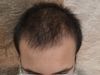
A 25-year-old male experiencing hairloss and thinning since age 20 is seeking advice on effective DHT inhibitors. He lists various oral and topical treatments, excluding Minoxidil due to adverse effects.
The user has been using finasteride, dutasteride, minoxidil, and RU58841 for hairloss but is experiencing worsening hair density despite treatment. They are frustrated and confused as their hairline remains unchanged, but the overall hair thickness has decreased significantly.
A man struggled with hairloss from age 18, tried various methods without success, and finally sought medical help at 23. He was prescribed oral finasteride, topical minoxidil, and Nizoral shampoo, which after two years of consistent use, significantly improved his hair condition.
A 24-year-old male started using 1 mg finasteride and topical minoxidil for hairloss in February 2025. By June 2025, he noticed improvement in his right temple but experienced thinning at the crown and continued shedding.
A user achieved significant hair regrowth from Norwood 3 to a dense Norwood 2 after five months using oral dutasteride, oral minoxidil, and a topical solution with minoxidil, retinoic acid, and hydrocortisone. The user reported no side effects and found the topical treatment especially effective for the hairline.
A 20-year-old is experiencing severe hairloss and is considering using dutasteride and finasteride, worried about potential side effects. They feel depressed and isolated due to hairloss, and are exploring options like hair transplants and hair systems but are hesitant about faking it.
The conversation discusses hairloss treatments, with users sharing experiences and opinions on finasteride, minoxidil, and other methods. Many recommend finasteride for its effectiveness, while others express concerns about side effects and emphasize the importance of acting quickly to address hairloss.
A 33-year-old experienced hairline improvement using finasteride and minoxidil, later stopping minoxidil while continuing ketoconazole shampoo. Initial side effects included shedding, reduced libido, and anxiety, but these resolved, leading to a full hairline recovery.
A 20-year-old is experiencing severe diffuse thinning and shedding despite using oral minoxidil for 12 months and dutasteride for 8 months, after previously trying finasteride. They are frustrated with the lack of improvement and considering trying RU58841.
Late 20s woman struggles with worsening hairloss and tried various treatments without success. Now trying spironolactone and ketokonazole shampoo, hoping for improvement.
A new hairloss treatment called TDM-105795 is discussed as a potential replacement or add-on to Minoxidil. Users express hope for new effective treatments.
A 16-year-old is experiencing thinning hair at the front and shedding during showers. He is concerned about potential early baldness and is considering seeing a doctor and taking multivitamins.
The conversation discusses using RU58841 for hairloss, with OP experiencing thinning in the front area and steady hairloss. OP plans to try microneedling while avoiding finasteride and dutasteride.
The conversation discusses an extensive hairloss treatment regimen including dutasteride, GT20029, RU58841, pyrilutamide, minoxidil, microneedling, ketoconazole shampoo, and experimental compounds. The user humorously describes their approach as a comprehensive strategy to combat hairloss while maintaining hair growth.
The user has been using a combination of treatments including Dutasteride, Minoxidil, RU58841, ketoconazole shampoo, microneedling, and low-level laser therapy to address hairloss but continues to experience shedding and density loss. Despite high testosterone and iron levels, the user is frustrated with the lack of improvement and is considering adjusting treatment or exploring other options like a hair transplant.
The user experienced severe dandruff and hairloss, trying various treatments including oils, vitamins, and minoxidil. They found success by simply dampening their scalp with water twice a day, which improved their hair's appearance and eliminated psoriasis.
A 23-year-old experiencing hairloss tried olive oil, coconut oil, and hair growth shampoos without success. They are seeking advice on whether to start treatments like Minoxidil, finasteride, or RU58841.
The user shared their 12-month hair regrowth progress using 1mg finasteride, 5mg oral minoxidil, and topical minoxidil. They also used a derma stamp weekly and treated seborrheic dermatitis with Mometasone and Nizoral.
Derek has maintained his hair for over a decade using dutasteride, keto shampoo, and previously minoxidil, despite early hairloss and family history of baldness. Other users discuss their own hairloss treatments, including combinations of oral minoxidil, finasteride, dutasteride, RU58841, nizoral, microneedling, and low-level laser therapy.
PP405, a topical treatment, shows promise for hair growth by activating inactive follicles, with 66% of participants experiencing positive results. The treatment is well-tolerated and may proceed directly to Phase 3 trials, offering a potential alternative to minoxidil and finasteride.
A man lost his transplanted hair despite using minoxidil because he wasn't on a DHT blocker like finasteride, which is essential to prevent further hairloss. The conversation emphasizes that hair transplants are not a cure and require maintenance with medications to preserve results.
The user is experiencing severe hairloss after starting Minoxidil 5% and is seeking advice, as their hairloss worsened following a second COVID infection. Despite normal hormone and vitamin levels, the user is considering additional treatments like Ketoconazole shampoo, massages, and low-level laser therapy.
An 18-year-old shaved his head due to hairloss and feels relieved, despite using Minoxidil and Finasteride without success. Many suggest seeing a dermatologist as the hairloss pattern doesn't resemble typical male pattern baldness, and some recommend trying Ketoconazole.
A 23-year-old is experiencing hair that is thick at the ends but thin at the roots despite using minoxidil and finasteride for 10 months. They are concerned about whether this is normal or a sign of miniaturization and seek advice on reversing or improving the condition.
Early hairloss causes emotional distress, and common coping strategies like fitness and fashion are inadequate. Treatments like finasteride, minoxidil, dutasteride, hair systems, and scalp micropigmentation were tried but were unsatisfactory.
Someone who is starting to experience hairloss and is considering multiple treatments, such as minoxidil, finasteride, dutasteride, and a hair transplant, to manage it. Replies provide advice on how to approach these treatments safely and effectively.
The user experienced worsening hairloss despite using oral minoxidil, finasteride, and topical minoxidil for nine months. They are considering switching to dutasteride and reducing ketoconazole shampoo due to its drying effects.
A 33-year-old man is concerned about potential hairloss, comparing his hairline to his father's and noticing increased shedding and thinning. He is considering treatments like Minoxidil and Finasteride but is unsure if he has male pattern baldness.
The user shared their hairloss progress using finasteride, topical minoxidil, dutasteride, and oral minoxidil, reporting no side effects. They noted significant improvement despite a family history of baldness.
A user's experience with using finasteride and minoxidil to treat hairloss; they experienced minimal regrowth with finasteride alone, but significant regrowth with the combination of finasteride and minoxidil.