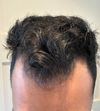
A user experiencing hair loss despite using finasteride, minoxidil, and tretinoin. They're considering trying dutasteride or shaving their head if the situation doesn't improve.
A 25-year-old is experiencing hair thinning despite using oral minoxidil, finasteride, and dutasteride, and is considering adding topical minoxidil. They also have seborrheic dermatitis and are advised to try ketoconazole shampoo or cream and possibly CBD with MCT oil.
The user is experiencing hair loss and is using topical finasteride, rosemary oil, caffeine, microneedling, low-level laser therapy, scalp massages, ketoconazole shampoo, and various vitamins and supplements. They are concerned about potential gynecomastia and are considering using minoxidil if current treatments do not stop hair loss or promote regrowth.
The user is experiencing severe hair shedding after using RU58841, stemoxydine, and minoxidil, and has stopped using finasteride due to side effects. They hope the shedding is temporary and will lead to regrowth.
Minoxidil (Lipogaine) and Ketoconazole shampoo (Regenepure) are recommended for hair loss treatment, while finasteride is considered risky due to potential side effects. Biotin is not advised due to possible health risks, and the user emphasizes the emotional impact of hair loss and the hope for a future cure.
A user experienced hair thinning and scalp issues after using a sebum-regulating shampoo and perm treatments. They are advised to consider potential allergies, try a simple shampoo, and research treatments like finasteride for possible male pattern baldness.
The user has been on finasteride for 17 months to treat hair loss, with some improvement in the crown but still experiencing significant shedding. They are considering if finasteride alone is sufficient and are hesitant to use minoxidil due to a pre-existing condition, while another person suggests trying dutasteride.
Hair oils can cause severe allergic reactions, as seen in Jermel Brown's case, leading to significant health issues and legal action for damages. Users discussed concerns about various hair oils, including Mielle and Kiehl's, with some experiencing hair loss and others using treatments like Minoxidil and Finasteride to address damage.
A 21-year-old shares their one-year progress using finasteride for hair loss, experiencing initial shedding but eventual regrowth, especially on the crown. They consider switching to dutasteride due to continued hair loss at the front temple and mid-scalp areas.
A user is experiencing hair loss and estimates a 40% loss in the front and 50%-60% on the crown. They are using oral minoxidil, topical finasteride, keto shampoo, microneedling, and LLLT for treatment.
A 46-year-old man maintained his hair over 20 years using finasteride, dutasteride, and minoxidil, with plans for a hair transplant. He experienced some early side effects but found oral minoxidil improved hair thickness significantly.
The user is experiencing hair loss, initially diagnosed as Telogen Effluvium due to stress, but is concerned it might be Androgenetic Alopecia (AGA). A suggestion was made to consider using Minoxidil or Finasteride if the condition worsens.
The user is using oral dutasteride, oral minoxidil, derma stamping, 1% Nizoral shampoo, and an oil blend for hair regrowth and is seeing some progress. Feedback suggests improvements are visible, but some recommend removing the oils and focusing on dutasteride and minoxidil.
A 29-year-old with hair loss (NW 3) uses microneedling, oral minoxidil, and ketoconazole shampoo. They are considering topical dutasteride after limited success with current treatments and are questioning why it's not more widely discussed.
The user is using minoxidil, finasteride, dermarolling, and other treatments for hair regrowth, showing promising results in the temple area. Despite some skepticism, there is optimism about potential improvement.
The post discusses how using finasteride and minoxidil for hair loss resulted in the user's hair changing from straight to wavy. The responses suggest this change indicates healthier, thicker hair and share similar experiences, while also expressing concerns about potential side effects of the treatments.
A user's hair loss progress after 4 months of using a topical fin and min mix, with responses from other users about their experience with the same treatments.
A 29-year-old is using 5% topical minoxidil, 5 mg oral minoxidil, 1 mg finasteride, Nizoral shampoo, and weekly microneedling to treat hair loss, reporting significant progress in hair regrowth and hairline improvement. The routine includes applying minoxidil twice daily, managing dead skin with shampoo, and using a baseball cap to maintain hair appearance.
A 23-year-old has been using minoxidil, finasteride, ketoconazole shampoo, biotin, and microneedling for hair loss, noticing baby hairs and a fuller hairline. They are considering adding rosemary oil and a dermastamp to improve thinning areas, especially around the temples.
A new hair loss treatment reportedly shows a 539% improvement in hair count, but skepticism remains due to unclear placebo results and potential minimal actual hair growth. Many users doubt its effectiveness and market viability, citing high costs and lack of visual proof.
PP405 is a promising new hair loss treatment that may reactivate dormant hair follicles without side effects. It could surpass traditional treatments like minoxidil and finasteride if successful in further trials.
A 26-year-old is starting a hair loss treatment using 1mg oral finasteride daily, 5% topical minoxidil foam twice daily, 2% ketoconazole shampoo weekly, and microneedling once a week. They noticed worsening hair loss over the past year and are seeking advice.
A man's experience with hair loss, which has caused him to lose an important part of his identity, and the treatments he is using to try and combat it. Others have joined in the conversation to share their own experiences and offer support.
Seborrheic dermatitis can cause hair loss, and treatments like ketoconazole shampoo, topical steroids, and oral antifungals may help. Some consider using finasteride and minoxidil for hair loss despite dermatitis.
A user is concerned about male pattern baldness despite their father having hair. Replies suggest visiting a dermatologist and considering finasteride or dutasteride, as natural methods are ineffective.
The conversation discusses using a combination of finasteride, spironolactone, minoxidil, retinol, azelaic acid, and caffeine for hair loss treatment. The user inquires about the limitations of these drugs and whether tretinoin would be more effective than retinol.
Diffuse hair loss is often linked to genetics but can also be due to health issues like thyroid problems and low vitamin or iron levels. Treatments include finasteride, minoxidil, and dutasteride, with some seeing improvements after addressing health issues.
OP is struggling with hair loss and is seeking advice on styling or treating their hair to look better. They currently use Nizoral and Maui conditioner but are considering wigs due to the lack of improvement.