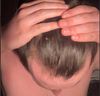
Hair loss treatments like finasteride, minoxidil, dutasteride, and RU58841. Users suggest hair fibers for temporary coverage and consider hair transplants for permanent solutions.
A user is experiencing severe hair loss and dandruff, trying various treatments including Minoxidil, Nizoral 2% Ketoconazole, Neutrogena T/Gel, coconut oil, baby shampoo, apple cider vinegar, aloe vera gel, and tea tree oil. They believe the issue is not genetic and are seeking advice and solutions.
A 28 year old male experiencing diffuse thinning, chronic dandruff and scalp crust (seborrheic dermatitis), with replies discussing the use of topical fin for hormone imbalances and Nizoral for seb derm.
Hair loss has slowed, but uneven growth and kinking persist despite using keto/nizoral shampoo and clotrimazole. Stress and anxiety might be contributing factors.
Increased hairfall after starting minoxidil, dutasteride, and biotin is normal. Hair may grow faster, and shaving your head is fine while on these medications.
The conversation discusses coping with hair loss and the emotional impact of balding, with some users finding peace in shaving their heads. Treatments mentioned include minoxidil, finasteride, and lifestyle changes like diet and exercise.
Hair loss significantly impacts self-perception and attractiveness, with treatments like finasteride, minoxidil, and hair transplants suggested. The conversation highlights the emotional struggle and societal perceptions tied to hair loss.
A 21-year-old is experiencing severe hair loss despite using finasteride and minoxidil, and plans to try dutasteride. Others share similar struggles and suggest various treatments like RU58841, spironolactone, and hair systems, while emphasizing the emotional impact of hair loss.
The user has been using finasteride, minoxidil, Viviscal, biotin, saw palmetto, fish oil, and alternating shampoos to combat hair loss but continues to experience thinning, especially at the hairline. They are considering trying dutasteride but are hesitant, and they are contemplating shaving their head if the situation doesn't improve.
The user is experiencing significant hair loss and has tried treatments like PRP therapy, topical and oral Minoxidil, Finasteride, and dietary changes, with limited success. They are concerned about losing more hair before a scheduled hair transplant and are advised to postpone the transplant to allow medications more time to work.
A 25-year-old experiencing hair thinning all over the body and head, despite using minoxidil and having low vitamin D levels, is advised to seek a second opinion from a dermatologist specializing in hair loss. The likely diagnosis is diffuse alopecia areata, which may require treatment with a JAK inhibitor.
A 17-year-old experiencing aggressive hair loss since December 2023 is using finasteride, vitamin D, and a biotin supplement but cannot use minoxidil due to dandruff. They have also undergone two PRP treatments and are seeking further advice.
A 24-year-old male experienced hair loss despite using minoxidil and finasteride, later switching to dutasteride, higher-dose minoxidil, iron supplements, and derma stamping, which initially improved his condition. However, after moving to a stressful environment and undergoing minor surgery, his hair loss rapidly increased, particularly on one side of his temple.
The user is experiencing severe hair shedding while on finasteride and plans to start using ketoconazole shampoo to address a greasy, waxy scalp buildup. They are seeking additional advice for managing hair loss.
Greasy or product-laden hair can make the scalp appear more visible, leading some to mistakenly think they are balding. Proper hair washing and avoiding heavy products can help assess true hair thickness, and treatments like finasteride are used by some for actual hair loss.
User "tresslessatbest" shares her experience with androgenic hair loss and treatments. She found success using men's Rogaine 5%, spironolactone, dermaroller, biotin, blackcurrant seed oil, prenatal vitamins, and Nizoral shampoo.
The user is experiencing significant hair shedding despite 2 years on finasteride, 1.5 years on RU58841, and 10 months on oral minoxidil, and is frustrated with the ongoing issue. Another user shares a similar experience of losing a lot of hair daily for the last 3 years.
The user is experiencing aggressive hair loss since their teens and has tried finasteride, topical minoxidil, dutasteride, and oral minoxidil without success in halting the hair loss. They are seeking advice on how to stop it.
The user is experiencing diffuse shedding but also hairline regrowth after starting finasteride, switching to dutasteride, and using oral minoxidil, ketoconazole shampoo, and RU58841. Other users advise patience, suggesting that the treatments need more time to show results and caution against using too many medications simultaneously.
A 44-year-old is experiencing rapid hair thinning after weight loss, despite using finasteride for two years. They have added minoxidil, vitamins, ketoconazole shampoo, derma stamping, and are considering PRP treatment while slowly introducing dutasteride.
A 21-year-old experiencing hair loss was prescribed two shampoos and hair vitamins by a dermatologist who suggested seborrheic dermatitis as the cause. However, users in the conversation suggested the hair loss could be male pattern baldness (MPB), recommending monitoring the situation and considering finasteride as a treatment.
The conversation is about hair loss treatments. The user considers natural remedies but is advised that finasteride, dutasteride, and minoxidil are more effective.
The user experienced hair loss since 2019 and tried finasteride, dutasteride, RU58841, and ketoconazole shampoo without success. A scalp biopsy showed scarring and inflammation from folliculitis, indicating chronic inflammation was affecting treatment effectiveness.
A 19-year-old experiencing hair loss since 17 uses finasteride, minoxidil, dermaroller, ketoconazole shampoo, and oral castor oil, but sees little improvement. They seek advice on adding an anti-androgen, considering alfatradiol.
The conversation discusses hair loss and hairstyles for balding men, with some users suggesting treatments like Minoxidil, finasteride, RU58841, and dutasteride. The focus is on embracing unique hairstyles instead of shaving, with mixed opinions on their appeal.
Women also experience hair loss, especially post-menopause, often requiring lifestyle changes. Treatments include Scalp Micropigmentation, hair transplants, and sometimes finasteride, with underlying causes needing medical evaluation.
A 21-year-old female is experiencing rapid hair shedding and receding hairline despite trying various treatments like hydration, vitamins, and castor oil. Medical tests showed normal results, and she seeks advice as the hair loss continues.
A female user is experiencing hair loss from the root and dead ends, likely due to post-partum effects, ankylosing spondylitis, and low iron. She seeks advice on improving hair health before going fully blonde.
A 28-year-old male shares his hair loss journey, starting with a hair transplant in February 2024 and using finasteride, later switching to dutasteride in January 2025. He has not used minoxidil and is satisfied with the results, despite some side effects like temporary nipple pain and a spike in libido.
A clean diet, including cutting sugar, gluten, and dairy, improved hair health and reduced shedding for a user on oral minoxidil and finasteride, but reverting to an old diet worsened hair condition. While diet impacts hair health, genetic factors and treatments like topical ketoconazole and hydrocortisone are also important for managing hair loss.