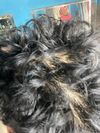
People are discussing hairloss after COVID, with one person reporting significant thinning and asking about recovery time and treatments. Their current treatment includes daily Minoxidil, daily 0.5mg Dutasteride, twice-weekly Ketoconazole 2%, daily RU58841, and weekly microneedling.
Hairloss may be linked to blood flow issues, but DHT is considered the main cause. Treatments used include finasteride, RU58841, minoxidil, vitamin D3, microneedling, and dutasteride, but hairloss persists.
The post discusses a 10-year battle with hairloss using treatments like biotin, Rogaine, Dualgen 15% Minoxidil, dermaroller, and various skin care products. Despite some side effects, the user maintains a full head of hair and is considering a hair transplant in the future.
Kitchen_Plastic_2847 had been fighting hairloss since 2019-2020 and was initially successful in regrowing his hair with finasteride. However, after contracting Covid three times back to back at the start of 2021, he started to lose his hair again. He found a new dermatologist who prescribed him oral minoxidil along with finasteride, but eventually decided it wasn't worth spending all the money to try and save his hair.
Increased hair fall after starting minoxidil, dutasteride, and biotin is normal. Hair may grow faster, and shaving your head is fine while on these medications.
A 24-year-old male using topical finasteride for hairloss is experiencing thinning despite treatment and has high estrogen levels. He is seeking advice on whether high estrogen could be causing hairloss and how others with high estrogen levels have addressed it.
A 23-year-old male is experiencing a receding hairline and overall thinning hair, affecting his confidence. He is considering using finasteride and minoxidil pills to address the issue.
The user experienced significant hair regrowth with topical finasteride, minoxidil, ketoconazole, and dermarolling, but later faced severe hair shedding after stopping dermarolling and reducing ketoconazole use. Suggestions included switching to oral treatments, resuming dermarolling, and considering lifestyle changes.
The user is experiencing diffuse thinning and inflammation despite using 2.5mg dutasteride daily, ciclopirox, and ketoconazole shampoos. They are considering treatments like hydroxychloroquine and JAK inhibitors due to suspected scarring alopecia and have faced challenges in obtaining a scalp biopsy.
A person realized they were balding when their sister pointed it out and is now using a combination of hairloss treatments including finasteride, minoxidil, microneedling, and plans to add dutasteride and RU58841. Others in the conversation emphasize the importance of honesty about hairloss and caution against an overly aggressive treatment regimen, especially before a hair transplant.
Gut microbiome imbalances can cause scalp inflammation and affect hair follicles, potentially leading to hairloss. Treatments include finasteride, peptides like BPC-157, TB-500, KPV, and lifestyle changes such as diet and exercise.
The user started using finasteride and minoxidil and noticed fine, spikey hairs on their scalp after oiling with coconut and blackseed oil. Responses suggest these fine hairs could indicate hair regrowth, but more time is needed to see results.
Hairloss can be influenced by chronic low-level allergies, and treatments like fexofenadine or topical cetirizine may help with regrowth. The user avoids finasteride, dutasteride, and minoxidil, and has tried Regenera Activa and PRF sessions.
A user discusses their struggle with female pattern baldness, mentioning that Minoxidil helped initially but their hair health declined after stopping a specific diet. They seek advice on managing oily, brittle hair and mention using an egg yolk and olive oil mixture as a temporary solution.
Despite using dutasteride, RU58841, minoxidil, and ketoconazole for years, the user continues to experience severe hairloss and thinning. They seek advice after multiple dermatologists confirmed androgenetic alopecia (AGA) but offered no effective solutions.
Astaxanthin may cause increased hair shedding, affecting even transplanted hair and eyebrows. The user has tried various treatments for androgenic alopecia, including minoxidil, finasteride, and RU58841.
Diffuse thinning can result in varied regrowth, with some users experiencing better results at the hairline and others at the crown. Treatments mentioned include finasteride, minoxidil (oral and topical), RU58841, microneedling, and dermarolling.
The conversation is about dealing with hairloss during university, with the original poster using dutasteride and minoxidil as treatments. Participants share their experiences and coping strategies, such as wearing hats, considering going completely bald, or getting a hair transplant after graduation.
The user is experiencing hair thinning and visible scalp at 18, seeking advice on whether it's genetic or a scalp condition. Suggested treatments include Minoxidil, finasteride, ketoconazole shampoo, and CBD oil with MCT.
A 20-year-old discusses family denial about his hairloss, diagnosed with seborrheic dermatitis, folliculitis, and male pattern baldness. He is prescribed Dutasteride and oral Minoxidil for treatment.
Finasteride, minoxidil, and sometimes dutasteride were used for hairloss with varying success. Some experienced side effects, while others maintained or regrew hair, considering hair transplants as a future option.
The user had a hair transplant and used finasteride, minoxidil, and pumpkin seed oil to combat hairloss. They are proud of their efforts to preserve their hair rather than accepting baldness.
The user has been losing hair since age 12 and is now starting treatment with 0.5 mg dutasteride and 2.5 mg minoxidil at age 29. They have also experienced dandruff and have a thinning crown.
User is experiencing hair thinning and sebum overproduction after starting finasteride and a hair growth supplement containing biotin, iron, zinc, and calcium. They suspect the finasteride might be fake but have noticed a side effect of watery semen.
DHT sensitivity at the scalp increases with age, contributing to androgenic alopecia. Treatments like Minoxidil, finasteride, and RU58841 are discussed for managing hairloss.
Hairloss treatments like minoxidil, finasteride, and dutasteride, with mixed results and suggestions for combining treatments or considering hair transplants. Some users experience no improvement or side effects.