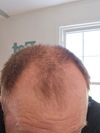
Minoxidil can be used alone to address thinning hair, but it may be less effective without finasteride. Minoxidil increases blood flow and may regrow some hair, but it doesn't block DHT.
A 43-year-old male seeks advice on hair regrowth options, considering treatments like Minoxidil, finasteride, and RU58841, or possibly a hair transplant. He has low testosterone and a family history of balding.
The user experienced increased hair shedding after adding tretinoin to their regimen of finasteride, minoxidil, and dermarolling, but noticed new vellus hairs appearing. They plan to restart tretinoin more gently, as some users suggest shedding indicates treatment effectiveness, while others warn it may cause severe thinning for a minority.
The conversation discusses affordable low-level light therapy (LLLT) products for hair loss, with users debating the effectiveness of red LEDs versus lasers. The original poster is already using finasteride, minoxidil, ketoconazole, and microneedling, and is seeking budget-friendly LLLT options to add to their regimen.
A user with androgenic alopecia seeks advice on making topical spironolactone from pills due to poor reactions to the oral form and its unavailability in their country. They are looking for guidance on preparing it themselves.
A 41-year-old is addressing hair loss by eating better, using a dermaroller, and taking Nutrafol, but many suggest adding finasteride and minoxidil for better results. The conversation includes mixed opinions on Nutrafol's effectiveness, with some recommending pharmaceutical treatments like finasteride and minoxidil for more significant hair regrowth.
A 19-year-old is seeking advice on reversing hair loss without a transplant, currently using oral finasteride and topical minoxidil. A suggestion was made to switch to dutasteride and use a stronger minoxidil, with the addition of a topical anti-androgen after three months.
A user diagnosed with lymphoma is advised to stop finasteride during chemotherapy, with suggestions to consider treatments like Dutasteride and Minoxidil post-recovery. The focus is on prioritizing health over hair loss, with encouragement and advice from others who have experienced similar situations.
A user experienced worsening hair recession after adding 0.5 mg daily dutasteride to their regimen of topical minoxidil and finasteride, despite no initial shedding. They plan to continue monitoring the situation, as others suggest it may be too early to see results and recommend blood tests to check DHT levels.
Dutasteride may inhibit androgen receptors in addition to reducing DHT, potentially explaining its effectiveness over finasteride for hair loss. Concerns about its impact on muscle growth are debated, with some suggesting no significant effects.
Switching from finasteride to dutasteride and adding oral minoxidil improved hair growth. A healthier lifestyle, including quitting smoking and better diet, also contributed to the progress.
A 21-year-old male with advanced hair loss (NW7) started using finasteride and minoxidil 10 months ago but hasn't seen much progress. He is pre-diabetic with stage 1 hypertension and is seeking insights on whether treating these conditions could improve hair regrowth.
A 19-year-old was advised by their primary care provider to take biotin for hair loss instead of minoxidil or finasteride due to potential side effects and age concerns. The user is considering seeking a second opinion from a dermatologist.
The conversation discusses the effectiveness of adding topical caffeine serum to a hair loss treatment routine that includes minoxidil and finasteride. Users suggest alternatives like stemoxidine, alphatradiol, and pyrilutamide, noting that evidence for caffeine's effectiveness is weak.
A user with Androgenetic Alopecia is seeking advice on hair growth treatments while planning for pregnancy. Current routine includes LaserCap, Nizoral Shampoo, scalp massage, The Ordinary Multi Peptide Serum, vitamin D, prenatal vitamins, and SEEN shampoo.
A user in Germany is seeking advice on obtaining Dutasteride, Minoxidil, and Biotin for hair treatment before a hair transplant. They face difficulties getting prescriptions and are concerned about delays due to required exams.
A user in Turkey was advised by a dermatologist to avoid finasteride due to its hormonal effects and was prescribed minoxidil, shampoo, and vitamins instead. The user is considering seeking another doctor's opinion or buying finasteride directly from a pharmacy.
A user in the UK seeks advice on blood tests before starting Finasteride and Minoxidil for hair loss. Recommended tests include thyroid function, hormone levels, liver and kidney function, and vitamin and mineral levels.
A user in England seeks advice on where to get a custom blood test for DHT, PRL, estradiol, SHBG, testosterone, and free testosterone before starting dutasteride. They want a baseline measurement before beginning treatment.
The post and conversation discuss KX-826 (pyrilutamide) for hair loss treatment, with positive remarks about its advertising and authenticity in China. The user changed their perspective after further research and seeing genuine advertising.
User experienced significant hair loss after adding dutasteride to their finasteride and minoxidil regimen. They plan to revert to finasteride only due to lack of improvement.
A 21-year-old is seeking advice on using minoxidil for hair loss and asks about combining it with rosemary and coconut oil. The response suggests using finasteride to stop hair loss and minoxidil to regrow hair, and confirms that rosemary and coconut oil can be used alongside these treatments.
Rosemary oil is being used as an addition to minoxidil and finasteride for hair health, with mixed opinions on its effectiveness. Some users report positive results, while others see no benefit or experience adverse effects.
A user diagnosed with AGA is seeking advice on hair loss treatments, comparing topical Minoxidil, Spironolactone, and Finasteride to oral medications and natural methods like dermastamping, PRP, and LED light. They are concerned about side effects and effectiveness, especially given their existing fatigue.
The conversation is about someone seeking advice on the best microneedling device to use for hair loss, mentioning pens, stamps, and rollers as options.
The user started using trenbolone and minoxidil simultaneously and experienced increased hair shedding, unsure which is causing it. Replies suggest both drugs could cause hair loss, with one advising to stop trenbolone to protect hair and another indicating minoxidil is unlikely the cause due to the timing.
The conversation discusses the best ethanol and propylene glycol ratio for homemade topical finasteride, with a focus on absorption and drying issues. The user shares their experience using a 50% propylene glycol, 30% ethanol, and 20% water solution, and considers adjusting the ethanol content for better results.
Minoxidil can regrow hair but doesn't address the underlying issue of DHT, leading to continued hair loss. Users discuss their experiences with finasteride and dutasteride, mentioning side effects, personal outcomes, and alternatives like microdosing topical finasteride.
The conversation is about people with advanced hair loss (Norwood 6 or 7) who have seen significant hair regrowth using treatments like finasteride, minoxidil, microneedling, and RU58841. Nine cases were collected to motivate others to try these treatments despite advanced hair loss.