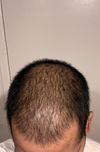
A user stopped using 5% minoxidil and finasteride despite positive results to focus on enjoying life without the stress of hair care. They prioritize personal happiness and acceptance over hair maintenance.
A 30-year-old male experienced rapid hair shedding over 6-7 months due to stress, depression, and nicotine/alcohol use, but has since stopped these habits. He seeks advice on remedies, medications, or diet changes to address hair loss.
Missing one day of finasteride is humorously discussed, with suggestions to use additional treatments like dutasteride, RU58841, minoxidil, and microneedling. Some users jokingly suggest shaving the head or traveling for hair restoration.
The user experienced aggressive hair loss despite using oral finasteride and minoxidil, with additional issues like dandruff and eyebrow hair loss. They are considering switching to oral minoxidil and dutasteride due to scalp inflammation and lack of improvement.
The user has been experiencing hair loss since their teens, is now 30 years old, and is considering using a combination of finasteride, minoxidil, and derma rolling as a last effort to combat hair loss after trying other treatments like Regaine and caffeine shampoos with limited success. They are seeking advice on how to start this treatment and where to purchase the products in the UK.
The conversation is about a person using minoxidil, finasteride, estrogen, and bicalutamide to combat hair loss, expressing frustration and desperation over their situation. They are advised against using female hormones and encouraged to focus on finasteride and minoxidil, with suggestions to seek therapy for mental health support.
Hair restoration treatments like finasteride, minoxidil, dutasteride, and hair transplants can greatly enhance self-image and dating life. Opinions differ on whether to embrace baldness or pursue treatments for maintaining hair.
The user updated their hair loss treatment to include daily dutasteride, oral minoxidil, topical dutasteride with minoxidil and tretinoin, and RU58841. Commenters feel the extensive treatment is unnecessary for the user's level of hair loss.
A woman with AGA is using spironolactone, dutasteride, finasteride, oral minoxidil, bicalutamide, and anti-androgenic birth control but still experiences worsening hair loss. Steroid shots temporarily stop her hair shedding, leading her to question her biopsy results.
The conversation discusses an extensive hair loss treatment regimen including dutasteride, GT20029, RU58841, pyrilutamide, minoxidil, microneedling, ketoconazole shampoo, and experimental compounds. The user humorously describes their approach as a comprehensive strategy to combat hair loss while maintaining hair growth.
The conversation advises against waiting for future hair loss treatments and suggests using proven treatments like Finasteride and Minoxidil. Some users regret not starting treatment earlier, while others discuss the effectiveness and safety of current treatments and the potential of microneedling.
The user experienced severe side effects from finasteride, including hormonal imbalances and cognitive issues, leading to a recommendation to stop its use. They plan to follow up with tests to rule out a pituitary tumor and are considering topical treatments as alternatives.
The user experienced sensitivity and side effects from finasteride and Saw Palmetto, leading to swollen and sensitive breasts, and decided to stop finasteride after two weeks. They are now trying Saw Palmetto, Biotin, and Ashwagandha, while others in the conversation discuss their own experiences with hair loss treatments like minoxidil and finasteride.
People with diffuse thinning and retrograde hair loss are discussing treatments like finasteride, minoxidil, and dutasteride, with some reporting improvements and others experiencing issues like scalp inflammation and increased sebum. Suggestions include addressing scalp inflammation, considering gut health, and possibly using topical antiandrogens or micro-needling.
PP405 may promote short-term hair growth by pushing follicles into the growth phase, but concerns exist about long-term effects due to lack of rest phases. Users discuss various treatments like finasteride, minoxidil, spironolactone, alfatradiol, and investigational drugs like KX-826 and GT20029 for hair maintenance and regrowth.
Minoxidil and finasteride are the primary treatments for hair regrowth, but they must be used continuously to maintain results. Alternatives like dermarolling and lifestyle changes are suggested, but their effectiveness varies.
Participants want to maintain hair until at least age 30, using treatments like finasteride, dutasteride, and minoxidil. Hair loss remains a concern, with some considering hair transplants.
The user started balding at 16/17 and tried various treatments including minoxidil, finasteride, and dutasteride with little success. They recently started applying diclofenac gel to their bald areas and noticed some hair regrowth, attributing this to diclofenac's ability to lower prolactin levels and its anti-inflammatory effects.
The conversation discusses a topical finasteride therapy with hydrocortisone butyrate, estrone base, and breviline. A user suggests oral finasteride as a superior option.
A user shared their aggressive hair loss treatment regimen, which includes daily use of Avodart (dutasteride) and Minoxidil, bi-weekly use of Davines Purifying shampoo, and almost daily use of Ducray Anaphase+ shampoo, along with supplements like vitamin D3, collagen, biotin, and zinc. They also use a dermastamp every 10 days and are considering a hair transplant for increased density, followed by a switch to finasteride and Minoxidil foam.
A user is experiencing anxiety and insecurity about hair loss despite using finasteride for 19 months and oral minoxidil for 6 months. They are seeking advice on whether stress, scalp testosterone, or switching treatments could help, and are considering a buzzcut.
The user is experiencing hair loss despite using dutasteride and minoxidil and is considering adding RU58841 or other treatments like microneedling. Suggestions include stopping smoking, trying dutasteride mesotherapy, using tretinoin, maintaining a healthy lifestyle, and possibly using a red light cap.
A 20-year-old experiencing hair thinning became depressed and sought treatment. The new dermatologist prescribed a routine including topical minoxidil, finasteride, derma stamping, Nizoral shampoo, rosemary oil, and scalp massages.
A user is experimenting with a homemade solution of WAY-316606 for hair regrowth, combining it with other treatments like minoxidil and dutasteride. The community expresses concern over the safety and mental health implications of such drastic measures, with mixed opinions on the effectiveness of WAY-316606.
Treatments used to prevent and treat male pattern baldness, the difficulty in finding a permanent cure for hair loss, and the potential financial motivations of companies not wanting to find a cure.
The user has been using finasteride and minoxidil for nearly three years, maintaining and possibly regrowing hair despite noticing shedding and miniaturized hairs. They are considering adding another treatment due to concerns about ongoing hair loss.
The user switched from finasteride and topical minoxidil to dutasteride and oral minoxidil due to lack of results. They are hopeful about dutasteride but are prepared to stop all medication if it doesn't work, as they have aggressive hair loss genetics.
The user has been using oral minoxidil, finasteride, and dutasteride for hair loss, along with supplements like arginine and collagen, but has seen no improvement. They also suffer from chronic eczema, which may contribute to hair loss, but it is considered reversible.