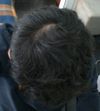
27F with androgenic alopecia since 17 seeks treatment. Tried spironolactone, caused low blood pressure; believes finasteride is safer and wants to try it.
A user is seeking experiences with adenosine for hair loss, asking about its effectiveness, usage duration, and combination with treatments like minoxidil, finasteride, or RU58841. Another user mentions difficulty sourcing adenosine and comments on the mixed quality of research.
Many users experienced increased diffuse thinning after starting finasteride, with some switching to dutasteride or adding minoxidil in hopes of improvement. Thyroid issues and low ferritin levels were also discussed as potential factors affecting hair loss.
A user was prescribed Alpicort E, which contains Estradiol Benzoate, Prednisone, and Salicylic Acid, for hair loss and is seeking others' experiences due to concerns about potential side effects.
A 19-year-old female is experiencing significant hair loss, with symptoms including alternating hair colors and thinning body hair. She seeks advice on coping and potential treatments, with suggestions to consult a dermatologist and check thyroid and hormone levels.
A new hair loss treatment, PP405, showed promising Phase 2a results with 31% of patients experiencing over 20% hair density increase without systemic absorption, avoiding hormonal side effects. The treatment is expected to be expensive, with Phase 3 trials starting mid-2026, and there is skepticism about the data's strength.
A female user in her mid-20s with androgenetic alopecia and suspected telogene effluvium who has been taking Dutasteride, Spironolactone, Minoxidil, Dermarolling, Ketoconazol shampoo, and Yaz contraception for her hair loss for the past 6 months. She had a small shed during this time that she believes to be stress related.
A user created a tracker for hair loss treatments in clinical development, including compounds like Dermaliq, RU58841, and Pyrilutamide. The tracker updates with new information and allows filtering by conditions like androgenetic alopecia (AGA) and alopecia areata (AA).
The user discusses their hair loss experience, exploring various hypotheses including thyroid levels, vitamin D, DHEA, nutritional deficiency, diabetes, seborrheic dermatitis, lack of nutrition to hair follicles, chronic inflammation, female pattern hair loss causes, cortisol, and prolactin levels. They are currently using finasteride, beta-sitosterol, and have tried topical dutasteride and microneedling therapy.
A 26-year-old male with high testosterone is experiencing diffuse hair thinning despite using a comprehensive treatment regimen including dutasteride, oral minoxidil, RU58841, ketoconazole shampoo, microneedling, and low-level laser therapy. Suggestions include adjusting dutasteride dosage, monitoring iron levels, and consulting a dermatologist for further evaluation.
Corticosterone inhibits GAS6, affecting hair follicle stem-cell activity, with potential implications for stress-related hair loss. Ashwagandha and Vitamin K are suggested for reducing cortisol, but their effectiveness is debated.
A 25-year-old with AGA experienced hair thinning and dandruff, stabilized with topical finasteride and minoxidil but saw minimal regrowth. They seek advice on styling and consider oral minoxidil and microneedling for denser hair.
A 25-year-old is experiencing chronic telogen effluvium (TE) and androgenetic alopecia (AGA) after surgery, using finasteride, red light therapy, and supplements, and considering oral minoxidil despite heart concerns. They are unsure whether to start minoxidil before or after an upcoming surgery, which may trigger another hair shed.
Amino acids like lysine, methionine, and cysteine may help with androgenetic alopecia when taken in high doses along with a DHT blocker. Users discuss combining these with treatments like Minoxidil, finasteride, and RU58841.
A user who has been using Pyrilutamide for 19 days, experiencing some hair thickening in the right temple and crown area but also having ball ache after microneedling; other users offer advice, caution and skepticism as to whether results can be seen in such a short time.
A woman who has been experiencing hair loss for several years, and her question of whether there is any benefit to getting a biopsy to check if it's AGA or diffuse alopecia areata when no cure or very effective treatment exists. Treatments such as spironolactone and Minoxidil/finasteride/RU58841 have previously been discussed.
The user is experiencing hair loss, initially diagnosed as Telogen Effluvium due to stress, but is concerned it might be Androgenetic Alopecia (AGA). A suggestion was made to consider using Minoxidil or Finasteride if the condition worsens.
A woman discovered her long-term hair loss was due to undiagnosed anemia, with ferritin levels as low as 9. After starting iron supplements, she saw significant hair regrowth, especially in previously bald areas, though some spots remain unchanged.
The conversation discusses the importance of scalp biopsies for diagnosing hair loss conditions like DUPA and Retrograde, which may not be just AGA. It emphasizes that treatments like finasteride and dutasteride may not work if the condition is autoimmune.
A 25-year-old experiencing hair thinning all over the body and head, despite using minoxidil and having low vitamin D levels, is advised to seek a second opinion from a dermatologist specializing in hair loss. The likely diagnosis is diffuse alopecia areata, which may require treatment with a JAK inhibitor.
A user experiencing diffuse thinning since age 18 describes their hair as unhealthy, dry, thin, and hard, with texture changes cycling between good and bad every few weeks. They are not on any medication, only taking vitamins and supplements.
A user's extreme regimen for hair loss, which includes taking oral and topical medications such as minoxidil, dutasteride, cyproterone acetate and bicalutamide, but still experiencing miniaturization. Suggestions were made to try other treatments such as RU58841 and Pyrilutamide, while also considering mental health treatment and advice on lookmaxxing.
A 19-year-old male with no family history of androgenetic alopecia (AGA) is experiencing hair loss and considering using a topical minoxidil and finasteride mixture. Despite low vitamin D levels and normal DHT serum levels, he seeks confirmation of AGA before starting treatment.
The user is experiencing severe hair loss, possibly due to telogen effluvium, after stress, poor nutrition, and hormonal changes. They are using Nizoral and supplements but are considering hormonal treatments like spironolactone despite previous side effects.
A female user is experiencing hair loss from the root and dead ends, likely due to post-partum effects, ankylosing spondylitis, and low iron. She seeks advice on improving hair health before going fully blonde.
A 19-year-old female with Diffuse Alopecia was advised by a dermatologist to use vitamin supplements, a hair serum, and antifungal drops, leading to some improvement. Other users suggested treatments like minoxidil, microneedling, and consulting a different dermatologist for further advice.