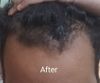
A user's 2.5 months of finasteride, oral minoxidil, and dermarolling treatments for hair loss, with various users giving their opinion on the progress made.
User shared progress after 5 months of using finasteride, minoxidil foam, and weekly derma rolling. Positive feedback highlights increased hair count and thickness.
A 35-year-old user shared their 4-month progress using Minoxidil, Finasteride, microneedling, and vitamins to treat hair thinning. They reported increased hair density, thicker strands, and deeper color, especially in the crown area.
A user shared a nearly 3-year update on their hairline improvement using Minoxidil, Finasteride, Nizoral, and Dermarolling. Other users commented on the success and discussed their own experiences with similar treatments.
The user experienced significant hair regrowth after 3 months using topical minoxidil 5% and oral finasteride, with initial shedding but no lasting side effects. They considered adding microneedling but were advised against it, as their current treatment was already effective.
The user switched from Finasteride to oral Dutasteride 0.5mg and oral Minoxidil 2.5mg, along with microneedling and Nizoral shampoo, to combat hair thinning. They report progress but note limited improvement in the temples.
The user reported positive progress in hair growth using Dutasteride 0.5 mg, Minoxidil 5%, and microneedling over 3.5 months. They plan to continue and improve their regimen for better results.
New hair loss treatments like PP-405, AMP-303, and SCUBE3 are being discussed, but none are confirmed to fully restore hairlines. Current treatments like Minoxidil, Finasteride, and RU58841 are still widely used, with some hope for future advancements in hair regrowth.
PP405 is moving to late-stage trials, showing potential for hair regrowth, with 31% of male patients experiencing a 20% increase in hair density. Veradermics is developing an oral minoxidil version, and there is interest in combining treatments for better results.
The conversation discusses a hair loss treatment regimen that includes a topical spray with finasteride and minoxidil, tretinoin, and using a Derminator (microneedling device) at 1.25mm depth every 5-6 days. The user reports positive results after 90 days and plans to continue the treatment, with others commenting on the process and potential outcomes.
The user is experiencing solid hair regrowth after two months using a regimen of minoxidil foam, a 3-in-1 topical spray containing finasteride and tretinoin, and weekly dermastamping. They report no side effects and attribute success to the combination of treatments and a supportive diet and lifestyle.
A 3-month update on a microneedling-only project to treat hair loss, which has not had significant results in terms of thicker hair but may have seen some acceleration in hair growth and an increase in vellus hairs. The user plans to continue the journey for 6 months before making any changes, such as adding minoxidil or finasteride.
User shared progress pictures of hair regrowth on the crown/vertex after a transplant and using finasteride, Minoxidil foam, and a dermapen. They hope to fully regrow or increase density in the crown area.
A user is experiencing hair regrowth after using oral finasteride, topical minoxidil, biotin, multivitamins, vitamin D, and dutasteride. They also use ketoconazole shampoo and Revita density shampoo to manage flakes and improve hair thickness.
A 17-year-old has been using Minoxidil for 3 months and dermastap for 2 weeks but feels they are losing progress. A suggestion was made to add finasteride 1 mg three times weekly.
A user shared their positive progress using oral minoxidil and dutasteride for hair loss after previously using finasteride and topical minoxidil. They discussed additional treatments like microneedling and ketoconazole shampoo for better results.
The conversation discusses potential new treatments for androgenetic alopecia (AGA), including verteporfin, pyrilutamide, and hair cloning. There is optimism about scientific advancements providing alternatives to minoxidil and finasteride.
Mallia Aesthetics has developed MAL-838, a hormone-free product derived from sCD83, which stimulates hair growth without disrupting the skin microbiome. sCD83 promotes hair growth by activating hair follicles and preventing cell death, offering a localized treatment without systemic side effects.
A 23-year-old is using oral dutasteride, topical minoxidil with finasteride, PRP, and microneedling for hair loss treatment over three months, showing noticeable progress. Some users suggest caution with hormonal treatments and discuss the cost-effectiveness of PRP.
The user shared a 2.5-year hair regrowth update using dutasteride, minoxidil foam, a 1.5mm roller, nizoral shampoo, biotin, multivitamins, and a healthy lifestyle, reporting noticeable regrowth after a year with no side effects. The user uses generic dutasteride and Kirkland multivitamins.
User shared a 3-month progress update on hair loss treatment using finasteride and minoxidil. They experienced initial shedding, thicker hair growth, and facial breakouts likely due to hormone changes.
A 19-year-old is using topical minoxidil 7% and finasteride 0.1% foam, along with a laser cap, to combat hair loss. They report progress despite initial shedding and are considering switching to oral finasteride in the future for convenience.
PP405 (Everychem 3HP) may help with hair regrowth, with mixed user experiences. Users often combine it with minoxidil and finasteride, but there are concerns about its efficacy and side effects.
PP405 and GT20029 are new hair loss treatments with different mechanisms from traditional options like Minoxidil and Finasteride. PP405 targets hair follicle stem cells to reactivate growth, while GT20029 works as an androgen receptor deleter, both requiring ongoing use for effectiveness.
A user's 3-month progress on minoxidil and finasteride, getting amazing results and offering advice to others considering the treatments. Replies include other users sharing their own successes with these treatments and encouraging EmptyPin to keep it up.
User shares 4-month progress using finasteride, minoxidil, and microneedling for hair loss. Others discuss body hair, hair transplant possibilities, and user's treatment response.
A 29-year-old male shared his hair growth progress after 3.5 months using finasteride, minoxidil (topical and orally), tretinoin cream, GHK-Cu, and derma stamping. He experienced increased libido initially and thinning body hair but is satisfied with the results despite an early shedding phase.
The user experienced noticeable hair growth after starting dermarolling with a 1mm device, using minoxidil, and nizoral shampoo. They plan to reduce dermarolling frequency to three times a week and are considering additional treatments like finasteride or a hair transplant for increased hair density.
A user shared their positive progress after 3.5 months of using finasteride and minoxidil for hair regrowth, noting increased hair density and new growth around the temples. They experienced minimal side effects and slight initial shedding, and emphasized the importance of consistency and patience with the treatment.
People with diffuse thinning and retrograde hair loss are discussing treatments like finasteride, minoxidil, and dutasteride, with some reporting improvements and others experiencing issues like scalp inflammation and increased sebum. Suggestions include addressing scalp inflammation, considering gut health, and possibly using topical antiandrogens or micro-needling.