AHK-cu peptides are discussed for hair growth, with users comparing them to GHK-cu peptides and sharing sources to buy. AHK-cu is noted as more expensive, and users express interest in finding cheaper, reliable vendors.
The user plans to use a 1.5 mm dermapen for microneedling every 10 days and is considering applying aloe vera afterward. They also inquire about the timing for washing their hair before and after the treatment.
The conversation discusses using GHK Cu + AHK Cu peptides combined with topical dutasteride and minoxidil for hair regrowth. It mentions negative side effects of finasteride and promotes a specific copper peptide serum.
Autologous exosome treatment for hair loss is being discussed as an emerging option. Minoxidil, finasteride, and RU58841 are also mentioned as treatments.
Tazarotene may be more effective than tretinoin when combined with topical minoxidil for hair loss due to its selective binding to RAR-beta and gamma, though it can cause irritation. Tazarotene's potency can lead to indirect inflammatory reactions despite potentially causing less irritation than tretinoin.
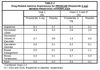
Dutasteride is shown to be significantly more effective than finasteride for treating male androgenic alopecia. Users discuss the difficulty of obtaining dutasteride in some countries and share personal experiences with its effectiveness and side effects.
A transwoman is struggling with hair loss despite using hormones, dutasteride, and Abiraterone, and is considering making her own treatments due to difficulty accessing them. She has also tried Eucapil and regularly uses Nizoral shampoo.
Long-term use of finasteride and dutasteride may be linked to health risks like fatty liver disease, insulin resistance, type 2 diabetes, dry eye disease, and potential kidney disease. Some users believe the risks are low and the medications are generally safe.
The user experienced persistent acne and skin issues with dutasteride, leading them to stop its use. They switched to finasteride, which caused mild acne and potential liver concerns, prompting consideration of alternative treatments like topical finasteride and GHK-Cu.
Topical dutasteride is suggested as a low side-effect treatment for hair loss, with a proposed dose of 0.025% 1ml/day. It is considered better than finasteride due to its even inhibition of DHT isoforms and lower systemic absorption.
Pyrilutamide is considered by some as an alternative for those avoiding 5AR inhibitors like finasteride and dutasteride, but opinions on its effectiveness vary. Some users report similar results with fluridil and pyrilutamide, while others find pyrilutamide less effective compared to prescription treatments.
The user is experiencing asymmetrical hair loss at the frontal hairline and is concerned about potential conditions like frontal fibrosing alopecia. They have started using finasteride and pumpkin seed oil to address the issue.
The discussion is about using ASCEplus HRLB exosomes for hair loss treatment, which combines 10 billion exosomes with growth factors, nutrients, biotin, and copper tripeptide. The treatment is expensive and typically administered via scalp injections, but in Europe, it's done with microneedling.
Researchers at the University of Virginia discovered a new group of stem cells in hair follicles that could potentially restore hair growth. The findings suggest that activating these stem cells might offer a new way to combat hair loss, though practical treatments are still years away.
The conversation discusses treatments for Androgenetic Alopecia, including Minoxidil, finasteride, RU58841, and topical caffeine. It emphasizes that there are multiple treatment options available in 2025.
The conversation discusses whether to use finasteride for hair loss, considering its role in inhibiting DHT and 5AR, which can affect brain function and mood. Some users report anxiety and depression from finasteride, while others do not experience these side effects and emphasize the importance of DHT for brain and prostate health.
The conversation discusses the safety, tolerability, and efficacy of oral Setipiprant tablets for treating androgenetic alopecia compared to finasteride. It mentions the high cost of Setipiprant on the black market and the trial's end date in September 2017.
A user created a free AI-powered hair transplant simulator to help visualize post-transplant results, seeking feedback and offering it as a tool for clinics. Users discussed its usefulness, limitations, and the requirement for email and phone verification to prevent abuse.
The user discusses their experience with diffuse unpatterned alopecia and acquired progressive hair kinkering, noting improvements with treatments including biotin, pantothenic acid, finasteride, ketoconazole, and zinc pyrithione shampoo. They report thicker, healthier hair and improved scalp condition, attributing success mainly to biotin, pantothenic acid, and finasteride.
Hope Medicine's announcement of the HMI-115 Phase II clinical trial for androgenetic alopecia in China; other related trials have been conducted or are ongoing in different countries, including Australia, US, and Europe. There is speculation that the product may be accepted across borders without additional testing.
A method for treating androgenic alopecia using minoxidil, antiandrogens, exercise, and cold exposure to promote hair growth. Environmental factors and lifestyle changes, like diet and exercise, can improve treatment effectiveness.
Hair loss is linked to cellular physiology and the IGF-1 to TGF-B1 ratio, not just androgen sensitivity. The theory lacks evidence, while finasteride and minoxidil are effective treatments.
The conversation discusses the effectiveness of finasteride and microneedling for treating hair loss. The linked article is seen as an advertisement for these treatments.
The conversation is about personal experiences with Anagenic Pyrilutamid for hair loss and what carriers people use with it. No specific treatments or outcomes are mentioned.
A user who has been using Pyrilutamide for 19 days, experiencing some hair thickening in the right temple and crown area but also having ball ache after microneedling; other users offer advice, caution and skepticism as to whether results can be seen in such a short time.
The potential hair regrowth benefits of ASC-J9, a synthetic modified version of curcumin that is said to be more effective than Minoxidil and Finasteride. Reports from users suggest good thickening and temple regrowth with topical use at 0.025% concentration.