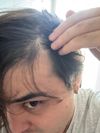
Pyrilutamide is discussed as a potential hair loss treatment, acting as an androgen receptor antagonist. The conversation questions if it can maintain hair long-term without using finasteride.
The conversation is about using alfatradiol as a hair loss treatment. The user is considering adding it to their regimen because it is safe, mild, and easily available in Europe.
Significant hair improvement was reported after 18 months of using 1mg dutasteride and 2.5-5mg oral minoxidil daily for diffuse unpatterned alopecia. The discussion includes praise, skepticism about authenticity, and concerns about side effects.
The user experienced intensified hair thinning after 10 years on finasteride and saw little improvement after switching to oral minoxidil and dutasteride for 8 months. Suggestions included continuing dutasteride for another 6-8 months, considering additional treatments like topical finasteride, and evaluating nutrition and other potential causes of hair loss.
A user shared their experience with high cholesterol, glucose, and potential metabolic syndrome after using Finasteride and Dutasteride for hair loss. They plan to improve their health with diet and exercise before considering medication.
The potential of using a specific antibody, HMI-115, as a treatment for hair loss alongside traditional treatments such as minoxidil and finasteride. The user suggests trying either a 240 mg or 30 mg dose to see if it works.
A 21-year-old is experiencing hair thinning and is using oral finasteride and topical minoxidil, considering adding oral minoxidil. They are unsure if the condition is androgenetic alopecia (AGA) or telogen effluvium (TE) and are advised to continue treatments and get a blood test.
A user from Iran reports hair growth in bald spots after using a domestic tonic containing Anageline, Trichogen, Aminexil, Caffeine, Saw Palmetto, and B vitamins, alongside Finasteride, but without Minoxidil. They prefer the tonic over Minoxidil as it doesn't make their hair greasy or cause hair fall.
Hair loss treatments discussed include alfatradiol, big 3, finasteride, RU58841, and stemoxydine. Alfatradiol is less effective but has fewer side effects, and mixing with stemoxydine may improve results.
RU58841 is preferred over finasteride for blocking DHT on the scalp, especially for those with aggressive MPB. Creatine is associated with increased hair shedding, even when using RU58841.
A 22-year-old has been using finasteride and minoxidil for 5 years to combat aggressive male pattern baldness, but is considering switching to dutasteride due to worsening hair loss. Dutasteride is suggested as it may be more effective in reducing DHT levels for aggressive cases.
Creatine does not significantly affect hair loss when taking finasteride. Some users report no change, while others believe it may accelerate hair loss if predisposed to male pattern baldness.
A 23-year-old woman with androgenetic alopecia (AGA) is using minoxidil, rosemary oil, and dermastamping for hair loss, and is concerned about the effectiveness of minoxidil. She follows a detailed hair care routine and takes supplements like inositol, magnesium, saw palmetto, iron, multivitamins, vitamin D, and B12.
The user is concerned about hair loss and is using treatments like dutasteride, microneedling, and topical finasteride, while considering adding RU58841. They are also using Minoxidil on the temples and are worried about testosterone-related hair loss.
The conversation discusses using Rogaine (Minoxidil) and ketoconazole for hair regrowth, with interest in trying a formulation with Azelaic Acid for potentially better results. Concerns about Azelaic Acid's effectiveness and safety, including skin sensitivity to sunburn, are mentioned.
Dutasteride significantly reduces DHT levels in hair follicles, potentially more effectively than previously thought. The discussion highlights differences in DHT measurements and the impact on hair loss treatment.
The post and conversation are about the user's high testosterone levels and their worsening hair loss despite trying various treatments. They are considering using low doses of anti-androgens to lower their testosterone levels as a potential solution.
A 22-year-old male has been using oral finasteride for a year with no improvement in hair loss and was denied dutasteride by a dermatologist due to FDA approval issues but was prescribed oral minoxidil instead. The user is seeking advice on whether to switch to dutasteride, continue finasteride, or add minoxidil.
The user has been on a comprehensive hair loss treatment regimen for four years, including Dutasteride, topical and oral Minoxidil, and various other treatments, but has seen little progress and is considering a hair transplant. Despite trying multiple therapies, including PRP and exosome injections, the user is still experiencing hair thinning and is hesitant about trying peptides due to potential cancer risks.
A user who has been using Pyrilutamide for 19 days, experiencing some hair thickening in the right temple and crown area but also having ball ache after microneedling; other users offer advice, caution and skepticism as to whether results can be seen in such a short time.
The conversation discusses using 2% Pyrilutamide from Anagenica for hair loss, as the user did not see results with 1% Pyrilutamide. The user is considering increasing the dosage but is concerned about the cost.
A user increased their dutasteride dose to 2.5 mg and oral minoxidil to 5 mg after losing hair regrowth, and also started using 2% ketoconazole and microneedling. Another user suggested these changes are meaningful and recommended splitting doses throughout the day for better absorption.
The user experienced side effects from oral minoxidil and is seeking alternatives like Stemoxydine, Aminexil, and Redensyl + Procapil. They have been using finasteride for four years and are considering other treatments due to concerns about side effects.
The user experiences histamine intolerance with alcohol-based hair loss treatments like Rogaine foam and seeks alternatives. Suggestions include alcohol-free and PPG-free topical minoxidil or finasteride, and trying Spectral products with different solvents.
The user tried topical minoxidil, topical and oral finasteride, and switched to dutasteride and oral minoxidil without success in stopping hair loss. Suggestions included continuing treatment longer, trying microneedling, and considering a hair transplant.
The user has been using dutasteride 0.5mg and oral minoxidil 2.5mg for 1.5 years and is concerned about hair loss despite visible improvement. Others suggest continuing the treatment, adding microneedling, PRP sessions, or consulting a doctor for further advice.
The person is experiencing sudden hair loss for six months and treatments like dutasteride, minoxidil, and vitamins are not working. Another person suggests the hair loss might not be androgenetic alopecia but could be telogen effluvium or an inflammatory condition.
A 17-year-old shares their hair loss treatment, using oral finasteride, dutasteride, stemoxydine, alfatradiol, and a placebo product, but cannot use minoxidil due to an allergic reaction. Others discuss similar treatments and question the use of dutasteride at a young age.