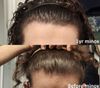
User shares 9-month progress using topical Fin/Min formula (10% Min, 0.1% Fin) for hair loss, with significant improvement in crown area. Others discuss experiences, side effects, and application methods for the treatment.
The conversation discusses potential future hair loss treatments, including SCUBE3, hair follicle cloning, and GT20029, with mentions of past disappointments like CosmeRNA and hopes for treatments like Verteporfin for infinite donor hair.
A 21-year-old experiencing hair loss was prescribed two shampoos and hair vitamins by a dermatologist who suggested seborrheic dermatitis as the cause. However, users in the conversation suggested the hair loss could be male pattern baldness (MPB), recommending monitoring the situation and considering finasteride as a treatment.
Hair loss after telogen effluvium (TE) with thinning and possible scarring, treated with 5 mg oral minoxidil. Concerns about scarring alopecia and lack of regrowth, with suggestions to consider finasteride for better results.
A woman with androgenetic alopecia uses Dutasteride and Bicalutamide but feels devastated due to increased sensitivity to DHT. She considers wigs, Minoxidil, and seeks advice on options like spironolactone, hair transplants, and therapy.
Vitamin D supplementation may have led to slight hair regrowth and density improvement. Other treatments discussed include finasteride, minoxidil, and maintaining optimal vitamin D levels.
A 23-year-old achieved significant hairline regrowth using minoxidil, saw palmetto, collagen peptides, biotin, omega-3, iron, ketoconazole shampoo, and scalp care techniques, without finasteride or dutasteride. The user attributes success to this combination but is unsure which element is most effective.
Be skeptical of claims about new baldness cures; current treatments like finasteride, dutasteride, and minoxidil remain the best options. New products like Breezula and PP405 lack compelling evidence and may not be available soon.
Scientists discovered a new T cell treatment that could regrow hair. Users are skeptical but hopeful, with some relying on finasteride and minoxidil in the meantime.
A user shared their positive experience of embracing baldness after years of trying treatments like Minoxidil and finasteride. They found happiness and confidence by shaving their head, despite some social challenges, and encouraged others to focus on their attitude and seek therapy if needed.
A 21-year-old is concerned about androgenic alopecia and has been using minoxidil for a year, noticing some stabilization in the hairline but fears using it on the whole scalp due to seborrheic dermatitis. Another person suggests considering a psychiatrist for stress management, using Nizoral shampoo, and possibly trying a small dose of finasteride.
A 21-year-old female shared her 4-month hair growth progress using Minoxidil 5%, finasteride 1mg, Theradome LLLT, Viviscal vitamins, and PRP treatments twice. Commenters praised her progress and discussed other treatments like microneedling, but she noted her dermatologist advised against it due to potential scalp damage.
The conversation discusses using finasteride, dutasteride, minoxidil, and RU58841, along with a 10,000 graft hair transplant, to prevent magpies from targeting bald men. The title humorously references an eight-year-old's survey on magpies swooping bald men.
OP is considering adding topical bimatoprost or latanoprost to their hair loss treatment, which already includes oral minoxidil, and is seeking reliable sources for these products. Users discuss the effectiveness and sourcing of these treatments, with some using bimatoprost for both hairline and eyelashes, and others planning to use latanoprost mixed with finasteride.
A user shared their experience with hair loss, showing a shaved/buzzed look. Replies praised their appearance and discussed treatments like minoxidil, finasteride, dutasteride, and oral minoxidil.
The user is considering using CB or clascoterone for hair loss, potentially as an alternative to RU. They're also contemplating asking a dermatologist for topical clascoterone cream to apply to their temple.
The user has been using a combination spray with 0.1% finasteride, 5% minoxidil, and tretinoin for over a year but feels their hairline has worsened. They are considering increasing the concentration of finasteride and adding 5% minoxidil once a day.
The conversation discusses concerns about potential hairline miniaturization and whether to start finasteride as a preventive measure. Recommendations include consulting a specialist and considering treatments like finasteride, dutasteride, minoxidil, and ketoconazole.
A 33-year-old male is experiencing hair loss on the crown and is considering treatments like Minoxidil 2% or 5%, Minoxidil foam, Finasteride, or a hair transplant. He previously used Minoxidil 2% for his hairline but found it annoying to apply.
A 20-year-old female is experiencing hairline loss and seeks effective natural remedies or affordable drugstore treatments. She has tried flax seeds and aloe vera without success.
An 18-year-old shaved his head due to hair loss and feels relieved, despite using Minoxidil and Finasteride without success. Many suggest seeing a dermatologist as the hair loss pattern doesn't resemble typical male pattern baldness, and some recommend trying Ketoconazole.
A 21-year-old male experiencing hair thinning and shedding was diagnosed with androgenetic alopecia and prescribed a topical solution containing 5% minoxidil and 0.1% finasteride, multivitamins, and 0.5mg dutasteride daily. He seeks confirmation on whether this prescription is typical for his condition.
An 18-year-old male is experiencing significant hair shedding, particularly from the back of his head, despite normal blood test results except for slightly low vitamin D. A dermatologist prescribed minoxidil for receding temples, but the cause of the shedding remains unclear.
The conversation is about dealing with hair loss during university, with the original poster using dutasteride and minoxidil as treatments. Participants share their experiences and coping strategies, such as wearing hats, considering going completely bald, or getting a hair transplant after graduation.
The user is using topical dutasteride, finasteride, minoxidil, and tretinoin but seeing no results or side effects. They also microneedle every two weeks but experience little bleeding, questioning if a thick scalp is preventing treatment effectiveness.
Whether topical caffeine can be as effective for hair growth as minoxidil and finasteride, with various replies discussing the efficacy of these treatments and criticism of Dr. Huberman's research methods.
User suggests finding unknown baldness cure by applying random items on scalp and reporting results after 6 months. Various users humorously agree to try different substances, including whale sperm and hydrochloric acid.