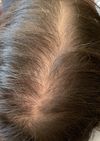
Topical Vitamin D3 may stimulate hair growth and has been used for Alopecia Areata. There is a question about the lack of research on its use for Androgenetic Alopecia (AGA).
Hair follicles are mostly dormant but can be reactivated with treatments like minoxidil, finasteride, and microneedling. A new drug, PP405, shows promise for hair regrowth but may not be available until 2027-2028.
A user claims to have reversed baldness, possibly due to telogen effluvium recovery after weight loss. Others discuss the potential success of using GHK-Cu for hair regrowth.
A user's progress with treating hair loss using finasteride, minoxidil and microneedling over the course of 7 months. Other comments suggested additional treatments such as toppik to help hide it in the meantime.
A user shared a new hair loss treatment protocol including topical dutasteride, latanoprost, caffeine, minoxidil, tretinoin, and triamcinolone acetonide. Others discussed the effectiveness and availability of these treatments, with some suggesting simpler oral alternatives.
The user has been using a topical combination of finasteride and minoxidil for over three years, with added ketoconazole and biotin, and started microneedling six months ago, but sees limited progress mainly in the crown area. Suggestions include trying oral minoxidil, oral dutasteride, and considering a hair transplant if further improvement is not achieved.
A user recovered their crown using finasteride, dermarolling, and vitamins, and had a hair transplant for their hairline. They experienced no side effects from finasteride except increased libido and also take zinc, biotin, trace minerals, kelp, and vitamin D.
Topical finasteride (P-3074) can inhibit scalp DHT by up to 70%, with some users experiencing systemic absorption similar to oral use. Users discuss varying application frequencies and concentrations, with some noticing side effects when overused.
The user has been dealing with hair loss since middle school and has tried various treatments like mesotherapy, PRP, and red light therapy without success. Currently, they use minoxidil, finasteride, and dutasteride but are considering a hair transplant due to limited improvement.
A 23-year-old is experiencing hair loss and has been using 5% topical minoxidil, 1 mg oral finasteride, and recently switched to 1.25 mg oral minoxidil. They are hopeful for regrowth with this new regimen, which includes biotin, iron, vitamins, Nioxin shampoo, and rosemary serum.
A user shared their 9-month post-hair transplant results with 4600 grafts, using only Nourkin hair vitamins, Vitamin D, and B12, and expressed satisfaction. The replies debated the necessity of medications like finasteride and minoxidil for maintaining hair health.
A user is considering using Bare Anatomy's Advanced Hair Growth Serum, which contains Redensyl, Anagin, Baicapil, Rosemary, and Biotin, for thinning hair. Reviews are mixed, with some users skeptical about its effectiveness compared to minoxidil.
A user experienced rapid hair loss and was prescribed Desonide cream for mild Alopecia. They are seeking feedback on its effectiveness and potential side effects.
The user tried various treatments for hair loss, including finasteride, vitamins, Saw Palmetto, beta sitosterol, pumpkin oil, borage oil, stinging nettle, and emu oil. They recently noticed tiny black hairs, suggesting some improvement.
A user shared a 17-month update on their hair loss treatment, which included a hair transplant of 2300 grafts, using a topical solution of minoxidil and finasteride, a laser cap, and ketoconazole shampoo. They are considering another transplant and seeking honest feedback on their progress, while others share their own experiences and advice on hair loss treatments.
The post discusses potential links between low vitamin D levels and hair loss, and how correcting this might impact the effectiveness of Minoxidil and Finasteride treatments. The responses vary, with some suggesting that vitamin D deficiency would cause overall scalp hair loss, while others believe it would first affect the most sensitive areas.
Procapil is marketed as a natural hair loss treatment but lacks strong evidence and is industry-biased. Minoxidil and Finasteride are the only FDA-approved treatments for androgenetic alopecia.
The conversation discusses a user's plan to inject NAD+ and GHK-Cu into their scalp to improve hair health, with concerns raised about the risks of infection and necrosis. Alternatives like finasteride, dutasteride, microneedling, oral minoxidil, and scalp massages are suggested.
The conversation discusses methods to further reduce DHT in the scalp for hair loss treatment, with users suggesting various approaches like using dutasteride, minoxidil, tretinoin, and natural supplements like pumpkin seed oil. Some users also mention using topical applications and scalp massages to enhance the effectiveness of these treatments.
A potential treatment for hair loss that involves injecting fat into the scalp; the role of testosterone and estrogen in thinning fat tissue under the skin; research on using lard to treat androgenic alopecia, as well as PRP + ACELL/amniotic stem cell treatments; and ongoing clinical trials by doctors involved in the study.
The post discusses using finasteride, minoxidil, ketoconazole, and a dermaroller for hair loss, along with spearmint capsules, pueraria mirifica, saw palmetto, biotin, and vitamins. The user is also considering microdosing finasteride with trans treatment and mentions the potential of herbal enemas and hair systems.
Treating alopecia androgenetica with limited options, such as spironolacton, dutasteride, finasteride, minoxidil 5%, Rogaine foam for men, a shampoo with ketoconazol, iron supplement and dermarolling.
The user experienced significant hair regrowth using a daily oral combination of minoxidil (3mg) and finasteride (1.1mg) without side effects. Others shared their experiences with similar treatments, noting varying results and side effects.
The conversation discusses difficulty in distinguishing between new hair growth and thinning hair at the temples after using microneedling and a rosemary peppermint topical for four weeks. The advice given is to wait a few months to see if the hairs grow out to determine their nature.
The conversation discusses hair loss, scalp buildup, and treatments like Nizoral shampoo, Minoxidil, and dietary changes to address seborrheic dermatitis and iron deficiency. The user plans to improve their hair condition with a good routine, Nizoral, and diet adjustments.
Hair loss due to vitamin B12 deficiency is discussed, with some users suggesting supplements and dietary changes, while others recommend medications like finasteride or dutasteride. The conversation highlights differing opinions on the cause of hair loss, with some attributing it to genetics or male pattern baldness.
A 21-year-old male experienced side effects from topical finasteride and is seeking alternative treatments to maintain hair until Breezula is available. He is considering using minoxidil, Nizoral, micro-needling, and vitamin D supplementation, and may try CB or RU58841 if necessary.
The user experienced significant regrowth in the crown and hairline using 1.25mg finasteride daily for 13 months but noticed thinner scalp density. Suggestions included adding topical minoxidil or 0.5mg dutasteride, as scalp regrowth may lag behind other areas.
A 29-year-old male experienced hair loss and found improvement using a combination of onion hair oil, castor oil, ketoconazole shampoo, and aloe vera gel with vitamin E, while discontinuing minoxidil and finasteride due to side effects. He emphasizes the importance of scalp massage and oiling for hair growth and reduced hair fall.