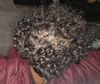
The user applied topical 0.1% finasteride and 5% minoxidil, along with weekly microneedling, resulting in significant hair regrowth. The user also lost 10kg through diet and exercise.
A user shared their success in getting a prescription for 0.1% Alfatradiol, a topical treatment for hair loss similar to finasteride but with fewer side effects. They found a pharmacy to compound it and will update on the results.
Using a dermaroller with topical minoxidil and oral finasteride regrows hair and improves temple areas. Users highlight the benefits of microneedling tools and stress the importance of consistency and proper sanitation.
A 25-year-old male is experiencing hair thinning at the hairline and vertex, considering using a dermapen or dermastamp, and seeking advice on whether to continue with natural remedies like onion juice and rosemary oil or start using minoxidil or finasteride. He is also looking for recommendations on microneedling devices.
A user is seeking feedback on a homemade topical finasteride formula for hair loss, consisting of 7.5 mg of finasteride, propylene glycol, ethanol, and distilled water. They aim to achieve a 0.0125% solution by applying 2 ml daily.
The user experienced side effects from daily 1 mg Finasteride and switched to 0.5 mg every other day, supplemented with creatine, tongkat ali, tribulus terrestris, vitamin D3, bromantane, l-tyrosine, and caffeine. They also use weekly 1.5 mm microneedling and daily 50 mg RU58841, except on microneedling days, to manage hair loss.
A 24-year-old shares progress on hair regrowth after 3 months using 2.5mg oral minoxidil, 0.5mg dutasteride, and scalp injections of dutasteride, minoxidil, and vitamins every two weeks. They are uncertain if the improvement is due to actual regrowth or just longer hair.
The user experienced excessive bleeding during microneedling after consuming caffeine and THC, and is unsure if they should continue with the same routine. They are seeking advice on whether the bleeding is a cause for concern.
TDM-105795 showed promising hair growth results, with higher efficacy than placebo and minimal side effects. It activates dormant hair follicle stem cells and may maintain gains without immediate loss, unlike minoxidil.
Intense microneedling with heavy pressure and bleeding did not improve hair growth after 4 months. The user advises against this method, noting no benefits and potential harm, and mentions using minoxidil without success.
Switching to a DIY topical finasteride solution using ethanol, glycerin, and distilled water instead of propylene glycol for a gentler application. Users report positive results with both DIY solutions and a low PG minoxidil and finasteride product from India.
Topical minoxidil may cause skin aging effects like wrinkles and dark circles, possibly due to its alcohol content, while oral finasteride is reported to make users look younger. Switching to oral minoxidil or using moisturizers might help reduce these skin issues.
A user shared their experience with a beard-to-scalp hair transplant, noting no visible scars and improved hair density using finasteride and minoxidil. The conversation discusses the differences between beard and scalp hair, potential changes in hair texture, and the use of beard hair for increased scalp coverage.
A 22-year-old male experienced hair regrowth and improved hair health after using Minoxidil, Finasteride, and microneedling for nine months, with initial shedding but no significant side effects. Users discussed similar experiences with hair styling difficulties and shared tips for managing hair texture and side effects.
A user is seeking experiences with adenosine for hair loss, asking about its effectiveness, usage duration, and combination with treatments like minoxidil, finasteride, or RU58841. Another user mentions difficulty sourcing adenosine and comments on the mixed quality of research.
The conversation is about trying Keratin Microsphere products for hair loss, specifically SAF 100 Pro, but no noticeable results were observed. The user also mentioned using a Hairclub wand.
The user experienced negative side effects from oral minoxidil, including cardiac issues and excessive sweating, and decided to switch to topical minoxidil while using other treatments like RU58841, Setipiprant, Azelaic acid, and latanoprost. Another user suggested splitting the oral minoxidil dose to reduce side effects.
Inflammation plays a significant role in hair follicle miniaturization and androgenetic alopecia, with treatments like ketoconazole shampoo, minoxidil, and finasteride being used to address it. Users discuss the benefits of anti-inflammatory treatments and peptides like KPV, alongside traditional hair loss treatments, to improve scalp health and hair quality.
The user is using minoxidil and topical finasteride for hair loss and is seeking advice on whether to use a derma pen or derma stamp for microneedling, including the appropriate length and frequency. They previously stopped oral finasteride due to side effects.
The user experienced significant hair regrowth using topical finasteride for 8-9 months, topical minoxidil for 3 months, and weekly microneedling with a stamp. They reported no side effects from the topical treatments and are considering a hair transplant for further improvement.
The user is experiencing hair loss and is considering using topical minoxidil and finasteride due to concerns about liver health, specifically elevated ALT levels from fatty liver. They are advised to start with topical treatments while continuing weight loss and dietary changes to improve liver function.
The user has experienced limited hair regrowth using 1mg oral finasteride, topical minoxidil foam, and occasional dermarolling since August 2023. They are considering switching to dutasteride, adding oral minoxidil 2.5 mg, and RU58841 to improve results.
The user noticed baby hairs after using minoxidil for two years, along with daily massages, derma stamping, and drinking peppermint infusions. Another user suggested starting with topical finasteride and eventually switching to oral finasteride, despite the original poster experiencing side effects from topical finasteride.
Microneedling can aid hair regrowth but poses risks like permanent hair loss if not done properly. Combining it with minoxidil, finasteride, and tretinoin, while ensuring proper sterilization and technique, is crucial for safety and effectiveness.
Microneedling alone may not be effective for hair regrowth, though it can improve skin and reduce scars. Minoxidil caused heart palpitations for one user, leading them to stop its use.
The conversation discusses the use of low-dose oral minoxidil for hair loss and its potential effects on skin aging. Users shared experiences, with some noting side effects like puffy eyelids and dark circles, but no conclusive evidence of significant collagen depletion or increased wrinkles.
The user shared their 6-month hair loss progress using topical minoxidil, oral minoxidil, finasteride, and microneedling. They noted thicker eyebrows and eyelashes but also increased body hair.
A user is considering creating an all-in-one topical solution for hair loss, combining 0.25mg finasteride, 5% minoxidil, and 5% RU58841. They are seeking advice on its feasibility and absorption.
The user reported hair regrowth using microneedling with a Dr.Pen Ultima M8 over six months, without additional treatments like minoxidil or finasteride. They followed a schedule of varying needle depths and noted lifestyle changes to reduce stress.
A user shared their positive experience with a crown MicroFUE hair transplant at Boston Hair Restoration, highlighting the smooth procedure, minimal pain, and significant growth over 12 months. They used oral minoxidil, finasteride (transitioning to dutasteride), PRP sessions, and a LaserCap, achieving excellent results and full confidence.