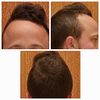
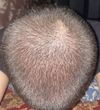
A user reversed hair loss using 0.5 mg of dutasteride daily without side effects. Others noted hair thickening but questioned the absence of minoxidil use.
A user experienced sexual side effects, including reduced semen production and numbness, after switching from finasteride to dutasteride for hair loss. They decided to stop dutasteride to prioritize their sexual health and may return to finasteride if issues resolve.
Diffuse thinning is often due to androgenetic alopecia, and DHT blockers like finasteride are recommended. Treatments mentioned include minoxidil, finasteride, dutasteride, and RU58841, with emphasis on starting early and using a holistic approach.
A 26-year-old man shared his positive results after 10 months of treating male pattern baldness using a regimen that includes Estradiol Enanthate, DHPA, Bicalutamide, Dutasteride, oral and topical Minoxidil, and a dermaroller. He experienced mild gynecomastia and reduced body hair as side effects but was satisfied with the outcome.
The user started using oral minoxidil and estradiol in August 2025, added finasteride in December, and experienced significant hair shedding in February/March. They switched to estradiol injections and are considering their hair washing routine, while another user suggested consulting a dermatologist and possibly trying dutasteride.
An 18-year-old experiencing hair loss and seborrheic dermatitis has tried finasteride, dutasteride, and various shampoos without success. They are considering anti-androgens like RU58841 and KX-826 for oil control and dandruff reduction.
Dutasteride can cause hair shedding even with suppressed testosterone levels due to previous damage from DHT. Hair shedding is often a sign of damaged hair being replaced by healthier growth.
A 24-year-old male experienced significant hair regrowth after 14 months of treatment with 0.5mg dutasteride and 5mg minoxidil, with no side effects reported. He plans to consider a hair transplant for his hairline, as the treatment did not improve that area.
A user's experience with using 5AR inhibitors (Finasteride and Dutasteride) in combination with Minoxidil foam and microneedling, which resulted in substantial improvements to their crown density and hairline, despite high systemic levels of testosterone and dihydrotestosterone.
A 28-year-old male experiencing early male pattern baldness is considering using Pyrilutamide (KX-826) as an alternative to finasteride due to side effects. He seeks to maintain his current hair without regrowth and is concerned about potential side effects like reduced libido.
A 31-year-old individual started taking finasteride 24 days ago to address hair thinning and loss, which has worsened their mood and stress. They have not yet added minoxidil and are experiencing significant shedding, contributing to sleep issues and insecurity about their hairline.
Aminexil/Kopexil may help reduce hair loss by addressing perifollicular fibrosis in androgenetic alopecia, but it lacks the extensive clinical backing of finasteride and minoxidil. Some users find it effective, but availability and cost are issues, especially in the US where it's not FDA-approved.
KX-826 (Pyrilutamide) being tested in the US for hair loss treatment and that they have found enough people to participate in phase II clinical trials. Other treatments discussed are Minoxidil, finasteride, and RU58841.
The user shared progress on hair restoration using dutasteride, oral minoxidil, and 2800 grafts, noting significant improvement in hair thickness and coverage. They discussed the importance of continuing DHT blockers like finasteride or dutasteride post-transplant to prevent further hair thinning.
Significant hair improvement was reported after 18 months of using 1mg dutasteride and 2.5-5mg oral minoxidil daily for diffuse unpatterned alopecia. The discussion includes praise, skepticism about authenticity, and concerns about side effects.
A 23-year-old shares progress in hair quality after 4 months using dutasteride, topical minoxidil, and other treatments, noting improved crown thickness but persistent temple thinning. They switched from finasteride to dutasteride due to side effects and started testosterone replacement therapy, which they believe helps mitigate side effects.
The user was diagnosed with DUPA and initially treated with finasteride, then switched to dutasteride which worsened their hair loss. They are now returning to finasteride and adding treatments including oral minoxidil, Proscar, Viviscal, pumpkin seed oil, LLLT, and Nizoral shampoo, hoping for hair regrowth.
An 18-year-old noticed hair thinning at 17, started finasteride 5 months ago, and saw shedding stop but no regrowth. They suspect male pattern baldness due to family history and are concerned about thinning on the back and sides, possibly due to inflammation.
A 20-year-old is experiencing hair thinning due to vitamin D deficiency and has completed a vitamin D prescription without seeing improvement. Suggestions include waiting a few months for potential regrowth or considering treatments like minoxidil or finasteride for androgenetic alopecia.
GT20029 is a topical treatment that degrades androgen receptors to prevent hair thinning and loss, potentially offering fewer side effects than systemic treatments like finasteride. Concerns include its impact on hair texture and potential systemic effects, with market availability speculated in 3 to 5 years.
A 28-year-old man with hair loss is seeing regrowth in his temple area after 2 months of treatment with Dutasteride, a 1.5mm Dermaroller, topical Minoxidil, and Biotin supplements. He also notes an unexpected positive side effect of Dutasteride clearing up his light facial acne.
The user is using 0.5mg dutasteride daily and 3mg oral minoxidil daily for hair loss, but hasn't seen improvements after five months. They report miniaturization and thinning, especially at the hairline and crown, and are advised to wait at least a year for better results.
A user reported worsening hair shedding and thinning after 6 months of daily dutasteride, despite also using minoxidil, bicalutamide, and recently adding RU58841. They are considering stopping dutasteride due to lack of improvement.
Hopeful treatments for hair loss, including Verteporfin, Androgen Receptor Degradation, and SCUBE3. These treatments offer potential solutions to slow or stop the effects of androgens on the scalp.
A 25-year-old is experiencing chronic telogen effluvium (TE) and androgenetic alopecia (AGA) after surgery, using finasteride, red light therapy, and supplements, and considering oral minoxidil despite heart concerns. They are unsure whether to start minoxidil before or after an upcoming surgery, which may trigger another hair shed.
A 19-year-old male with a family history of balding is using finasteride to thicken his hair and is considering whether to add minoxidil. Users suggest continuing finasteride for several months before deciding on minoxidil.
The user experienced initial improvement in hair loss with oral finasteride and minoxidil but later faced increased shedding and thinning. They switched to dutasteride, hoping for better results, while continuing topical minoxidil.
A 22-year-old is experiencing increased hair shedding and a greasy scalp after two months on 1mg finasteride. They are documenting their progress and seeking advice, with feedback suggesting that shedding is normal and results may take 6-12 months.
Switching from Arimidex to Raloxifene worsened hair loss despite using Dutasteride. The user added oral Minoxidil, dermastamping, and RU58841 to their regimen to address the issue.
A 31-year-old has been using finasteride for 1.5 years and microneedling for 6 months but hasn't seen improved hair density and is experiencing receding temples. They are considering switching to dutasteride or adding minoxidil to their treatment.