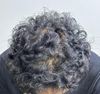
User shared 6-month hair loss treatment update with Dut 3x/week, oral min, and dut+prp mesotherapy. Experienced positive results, no side effects, and recommends the regimen.
The user is happy with their hair regrowth progress using 1mg Finasteride daily and 5% Minoxidil foam twice a day, with added vitamin D to combat potential side effects. They report no significant side effects and wish they had started the treatment earlier.
The user started with topical minoxidil and finasteride, switched to oral finasteride after 2.5 months, and then to dutasteride 10 days ago, experiencing a slight hairline recession but maintaining most hair gains.
A 23-year-old experienced reduced hair loss after three months of using oral minoxidil and dutasteride. The user reported no side effects and plans to continue the treatment.
The effects of Finasteride on hair loss and its side-effects, such as aching balls. The user has been taking it for two years with no changes to the symptom.
A user's 6 month hair loss progress while using finasteride, minoxidil and dermarolling once or twice a week. The user is considering whether they may be able to avoid needing a hair transplant.
The conversation is about finding a non-mint scented topical dutasteride for hair loss treatment. The user dislikes the mint scent in current options and seeks an unscented alternative.
The user has been using dutasteride for 8 months and added oral minoxidil 1.25mg for 4 months, seeing improved hair density despite minor shedding. They are considering increasing the minoxidil dose to 2.5mg due to concerns about side effects.
A 19-year-old male is considering switching from topical to oral Minoxidil and finasteride due to unsatisfactory results but is concerned about potential side effects. It is suggested to start with low doses of oral versions to test tolerance, as they may be more effective but carry higher risks.
The user had a hair transplant with 2000 grafts in the frontal and mid-scalp areas and has been using finasteride and minoxidil for 3 months. The crown area is expected to improve with continued treatment, and results are generally positive so far.