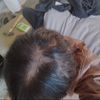
A 21-year-old male experienced significant hair regrowth over a year using dutasteride, minoxidil, and ketoconazole shampoo. He noted improvements despite irregular application and mentioned that his hair is now thicker, with a previously bald spot completely gone.
The user shared their 6-month progress using Dutasteride .5 daily, RU 100mg once a day, and 15 mg oral Minoxidil for hair loss. They reported visible results, no side effects, and increased body hair, despite concerns from others about the high dosage and potential health risks.
Pyrilutamide, a potential hair loss treatment that has recently been released for sale, and is thought to have similar efficacy to Dutasteride without side effects. It was discussed in terms of its effectiveness compared to Finasteride, its use by females, and whether it can be safely mixed with RU58841.
A 23-year-old shares progress in hair quality after 4 months using dutasteride, topical minoxidil, and other treatments, noting improved crown thickness but persistent temple thinning. They switched from finasteride to dutasteride due to side effects and started testosterone replacement therapy, which they believe helps mitigate side effects.
The user reported noticeable hair regrowth after using dutasteride 0.5 mg, oral minoxidil 2.5 mg daily, and ketoconazole shampoo weekly for six months. They are considering adding RU58841 for further improvement.
A 45-year-old male experienced significant hair regrowth using 0.5 mg dutasteride and 1.5 mg minoxidil after initially starting with finasteride. He reports no major side effects, except increased hair growth in unwanted areas, and attributes his success to being a good responder to the medication.
The conversation is about someone's hair growth progress after using dutasteride and oral minoxidil for eight months, with users commenting on the increased hair density and volume. Some users are skeptical, but the original poster insists there is a significant improvement in hair density.
Dutasteride and oral minoxidil significantly improved hair appearance, with noticeable changes in color and texture. The user experienced minimal side effects and attributes most progress to dutasteride.
The conversation discusses hair regrowth progress using dutasteride 0.5 mg and oral minoxidil 2.5 mg over seven months. Users debate the effectiveness, with some noting slight improvements and others suggesting alternative treatments like finasteride.
The conversation discusses using topical dutasteride with a dermapen for hair loss treatment. The user is deciding between liposomal and mesosomal formulations for this purpose.
Combining dutasteride and an aromatase inhibitor may increase testosterone levels significantly, potentially enhancing athletic performance but also posing health risks like elevated blood pressure and worsened cholesterol. The user is experimenting with dutasteride, anastrozole, minoxidil, and ketoconazole shampoo to manage hair loss and estradiol levels, while monitoring side effects and hormone levels.
A user's 11-month hair loss treatment progress using 0.5mg dutasteride every other day, 50mg RU58841 in the morning, 5mg oral minoxidil, topical minoxidil at night, and microneedling with a 1.5mm needle every other week. The user's improvement was significant, going from a severe hair loss stage (NW7) to a mild/moderate stage (NW2-3).
The user experienced hair thickening and regrowth using dutasteride on alternate days, oral minoxidil every third day, and daily hair massages, but is dealing with dandruff and inflammation. They are considering adjusting their minoxidil dosage and have started using ketoconazole shampoo and cupping therapy for additional benefits.
A 19-year-old plans to start Dutasteride 0.5mg three times a week to combat genetic alopecia and preserve hair density, with concerns about potential shedding before prom. Users suggest starting the treatment after prom to avoid shedding, and provide advice on where to purchase the medication.
The conversation is about a user making a homemade topical dutasteride solution to use alongside testosterone replacement therapy (TRT) and oral dutasteride. The user aims to reduce DHT locally at the testosterone injection site and on the scalp.
A user shared their four-year experience using 0.5mg dutasteride and topical minoxidil once daily for aggressive early hair loss, maintaining their hairline and regrowing hair on the vertex. They've experienced positive social feedback and increased confidence but also deal with dry eyes from dutasteride and worry about its long-term effects and cost.
The GT20029 tincture, a topical androgen receptor degrader, showed significant hair growth and good safety in a China Phase II trial for male androgenetic alopecia (AGA), with the 1% dose twice weekly identified as optimal. The company plans to initiate Phase III trials in China and Phase II in the U.S., and the treatment also shows promise for acne.
People are discussing hair loss treatments, including pyrilutamide, minoxidil, dutasteride, alfatradiol, and bimatoprost. Users share their experiences and side effects, noting that pyrilutamide is considered more effective and safer than RU58841.
The user is considering starting dutasteride (DUT) 0.5mg for hair loss due to lack of access to finasteride and is concerned about potential side effects. They seek guidance on whether to begin this treatment.
The user diagnosed with DUPA tried treatments like dutasteride, finasteride, RU58841, and minoxidil without success and is considering a hair system. They hope for a future cure, possibly with PP405, and others suggest options like scalp biopsy and SMP.
People on testosterone replacement therapy (TRT) with aggressive androgenetic alopecia (AGA) discuss using Dutasteride or Finasteride, sometimes combined with topical treatments like RU58841 or CB-03-01 (Breezula), to prevent hair loss. Concerns about side effects and costs of certain treatments are mentioned, with one individual sharing their experience of slowed hair loss using Finasteride alone.
DIM is suggested to help with estrogen metabolism for those on finasteride or dutasteride, potentially reversing side effects like fat gain and mood changes. Some users doubt its effectiveness, recommending lifestyle changes or consulting a doctor instead.
The user has been using 1mg finasteride, 2% ketoconazole shampoo, vitamins, and growth shampoo for 7.5 months to treat hair loss and is considering switching to 0.5 mg dutasteride due to slight recession and persistent symptoms. Another user commented that the user's temples appear to have improved, especially in the latest photo.
A user experienced significant hair regrowth using dutasteride without side effects, starting with finasteride and not using minoxidil or dermarolling. They attributed success to a unique genetic response to DHT blockers but did not share their full regimen, frustrating others.
The conversation is about finding a source for RU58841 in Canada as an additional treatment for hair loss, alongside oral minoxidil and dutasteride. Alternatives like kx826 are suggested, with some users discussing prices and sources for these products.
A 29-year-old male with androgenic alopecia was treated with oral Dutasteride, oral Minoxidil, and injectable Dutasteride, showing progress in 9 months. Some users believe Dutasteride mesotherapy is unnecessary and question its effectiveness compared to topical applications.